How Genre Shapes the Reading Experience
Most readers intuitively sense that picking up a thriller feels different from opening a history book - even before they've read a single page. That difference isn't just about subject matter. The genre itself shapes expectations, pacing, and the mental effort readers bring to each session.
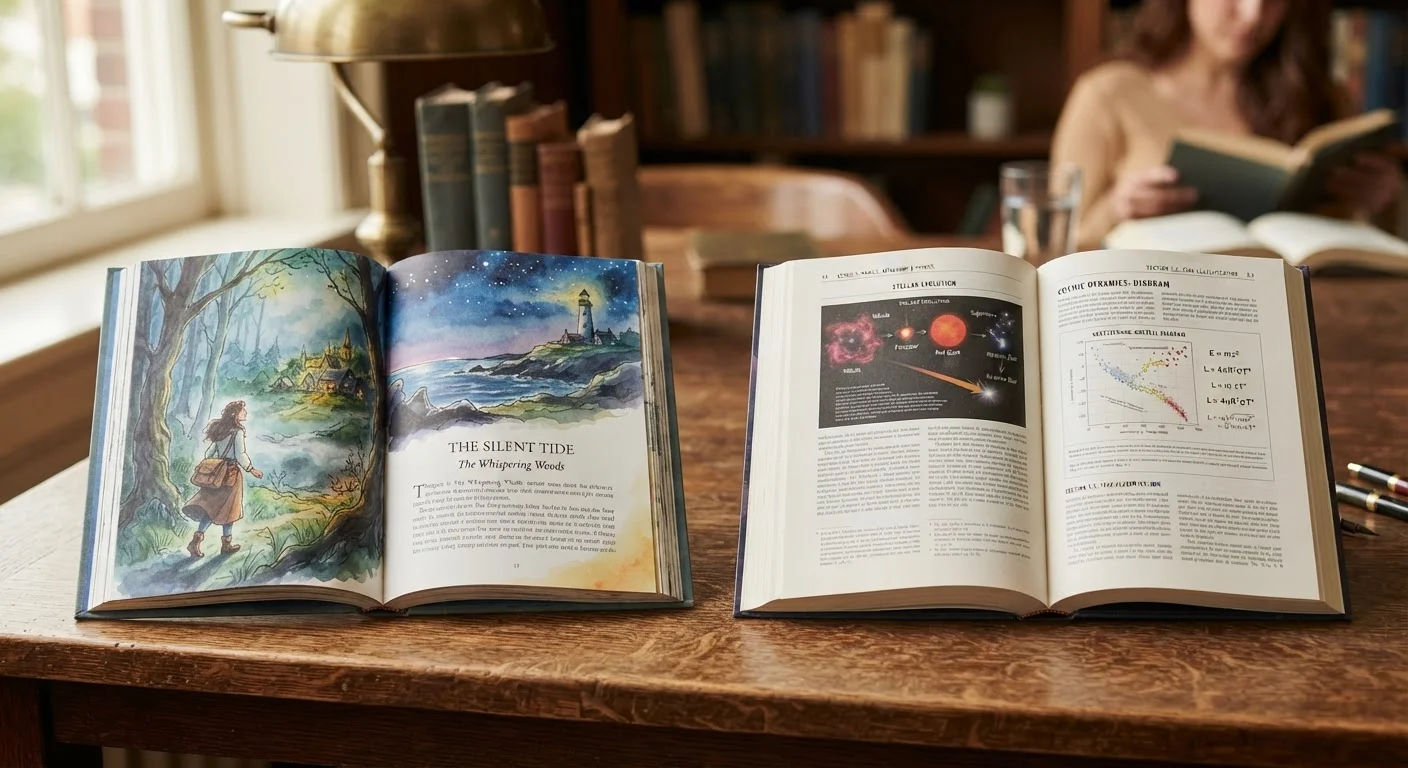
Fiction, broadly defined, invites readers into an imagined world with characters, tension, and narrative arc. Nonfiction asks readers to engage with facts, arguments, or real events - often with the intent of leaving them better informed. These distinct purposes create measurably different reading behaviors, from how long people read in a single sitting to how frequently they return to a book after setting it down.
For a broader look at the landscape of genres readers navigate, the Book Genres hub covers the major fiction and nonfiction categories in depth.
Pace, Session Length, and the Pull of Narrative
One of the most consistent differences between fiction and nonfiction readers is session length. Fiction, particularly plot-driven genre fiction, tends to generate what researchers call narrative transportation - a state of absorption where readers lose track of time. This encourages longer, uninterrupted reading sessions. A reader midway through a thriller or a romance novel is often motivated to continue simply because stopping feels disruptive.
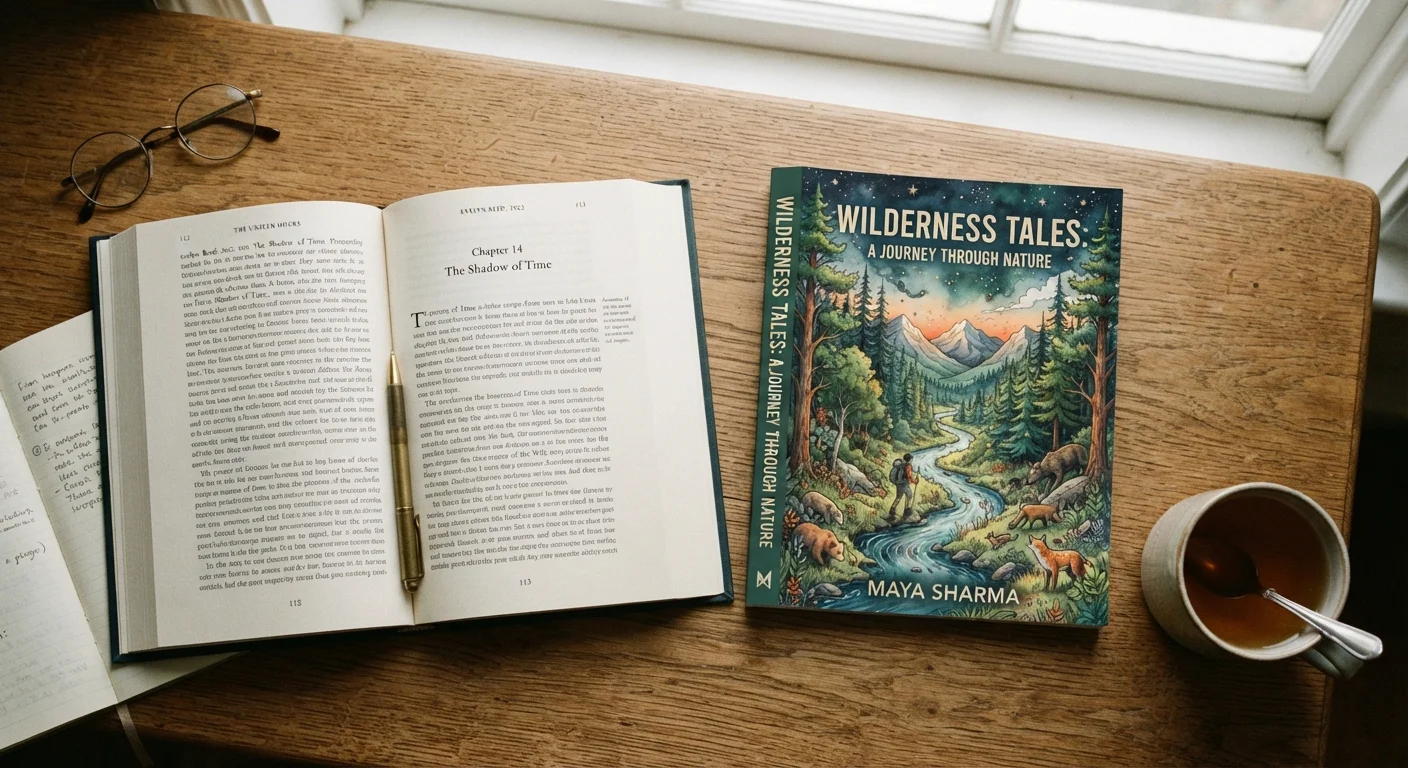
Nonfiction works differently. Whether someone is reading memoir, history, or a science book, they tend to pause more frequently - to absorb a new concept, reflect on an argument, or look up a referenced fact. This creates a more fragmented but often more analytical reading rhythm. Some readers keep a notebook nearby when reading nonfiction, something that is far rarer with fiction.
It's also worth noting that not all fiction moves at the same speed. Literary fiction and commercial fiction make different demands on readers - literary fiction often requires the same kind of deliberate pacing that nonfiction does.
| Fiction | Nonfiction | |
|---|---|---|
| Typical session length | Longer, immersive sessions | Shorter, more deliberate sessions |
| Reading pace | Often faster, narrative-driven | Slower, reflective |
| Annotation behavior | Rare, mostly passive reading | Common; notes and highlights frequent |
| Re-reading motivation | Emotional resonance | Comprehension and retention |
| Preferred format | Audiobooks widely accepted | Print or annotatable e-reader preferred |
| Cognitive engagement | Narrative immersion, empathy | Analytical, critical thinking |
Re-reading, Annotation, and Retention
Nonfiction readers are significantly more likely to re-read sections, highlight passages, or annotate margins. The goal is often retention - understanding an idea well enough to apply or remember it. This active reading style contrasts with the more passive, flow-oriented experience that fiction tends to encourage.
Fiction is re-read too, but the motivation is usually emotional rather than practical. Readers return to beloved novels for the feeling they evoke, not typically to extract information. This distinction matters for how readers choose their format: nonfiction readers often prefer print or e-readers with annotation tools, while fiction readers are more comfortable with audiobooks during commutes or chores. Our article on how format affects the reading experience explores this connection in more detail.
Try Active Reading for Nonfiction
When reading nonfiction, pause at the end of each chapter and write one or two sentences summarizing the key idea in your own words. This simple habit dramatically improves retention without adding much time. You don't need a formal system - a sticky note or the margins of the book work just as well as a dedicated notebook.
Reading Frequency and Genre Rotation
Avid readers rarely stick exclusively to one genre. Many describe using fiction and nonfiction as counterweights - reaching for a novel when they want relief from demanding nonfiction, or turning to a memoir or essay collection when plot-driven fiction starts to feel thin. This rotation is itself a reading habit worth recognizing.
Literary nonfiction - including memoir, narrative essays, and long-form journalism - occupies interesting middle ground. It uses storytelling techniques drawn from fiction while remaining grounded in fact. Readers who enjoy this hybrid form often find it bridges the two reading modes naturally. If you're curious about that space, our guide to getting into literary nonfiction is a useful starting point.
Understanding your own reading patterns - when you reach for fiction versus nonfiction, how long your sessions run, and whether you tend to finish books or abandon them - can help you build a reading life that's both varied and sustainable. Both genres deserve a place on your shelf, and knowing how you approach each makes that balance easier to maintain.