
Reader Identity: The Psychological Foundation
Psychologists who study habit formation have found that the most durable behaviors are those tied to identity - a person's sense of who they are, not just what they want to accomplish. Readers who finish nearly every book they start tend to think of finishing books as something readers do, because they are readers. That identity-level framing turns completion into a values-driven act rather than a test of willpower.
This aligns with research in self-determination theory, which distinguishes between autonomous motivation (doing something because it genuinely matters to you) and controlled motivation (doing something to meet an external expectation). Autonomous readers - those reading out of curiosity, personal growth, or pure enjoyment - show significantly higher follow-through than those reading to impress others or check a box.
The practical implication: people who struggle to finish books often aren't choosing books that reflect their actual interests. They're choosing books they think they should read. That gap between aspiration and authentic interest is one of the most reliable predictors of an abandoned book.
Habit Loops and the Architecture of Reading Routines
Behavioral scientist Charles Duhigg's habit loop framework - cue, routine, reward - applies directly to reading. Consistent book-finishers typically have a reliable cue (a specific time of day, a physical location, a ritual like making tea) that automatically triggers their reading routine. The reward doesn't need to be dramatic; the narrative satisfaction of advancing through a story, or the intellectual pleasure of learning something new, is usually enough.
~57%
Americans who read a book in the past year
According to Pew Research Center surveys on American reading habits, fewer than six in ten adults report reading even one book annually.
40%
Books started that are never finished
Various reader surveys, including data from Goodreads user behavior, suggest a large share of started books are abandoned before completion.
30 min/day
Daily reading time linked to habit formation
Reading researchers generally suggest that 20-30 minutes of daily reading is enough to build and sustain a durable reading habit over time.
What separates this from intention alone is automaticity. When reading is triggered by a cue rather than a conscious decision, it competes less with other demands on attention. That's why people who read at the same time and in the same place each day tend to read more consistently than those who try to fit it in whenever time allows. If you're trying to develop more consistent habits, our practical guide to building a reading habit covers this in detail.
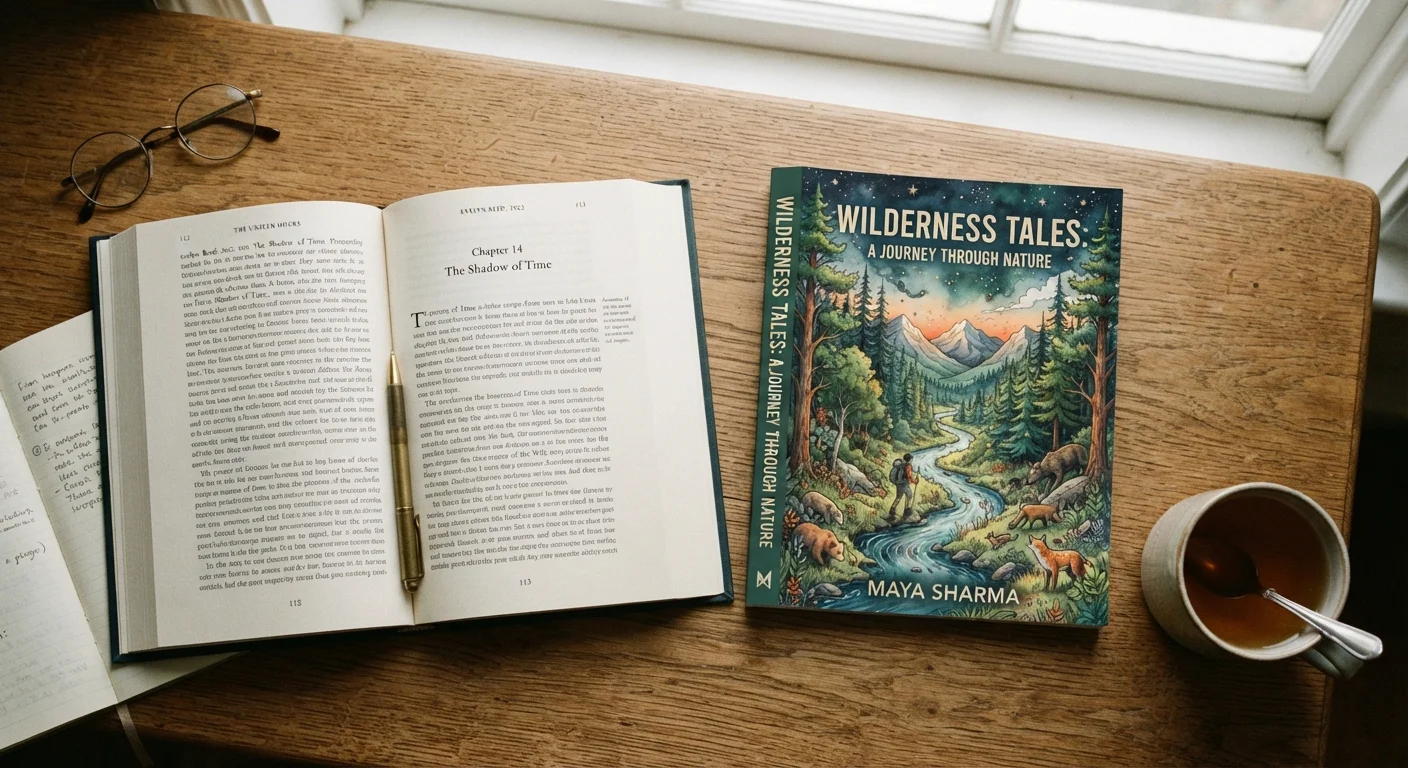
Environment reinforces the loop. Research on reading comprehension consistently shows that dedicated, low-distraction spaces improve both focus and enjoyment - two factors that feed directly into a reader's willingness to return to a book. The role of physical reading environments is more significant than most readers realize.
Motivation, Book Choice, and the Completion Gap
One underappreciated factor in book completion is the mismatch between a reader's current cognitive state and the demands of the book they've chosen. Highly ambitious book choices - dense nonfiction, long Victorian novels, technically complex texts - are frequently abandoned not because the reader lacks intelligence or stamina, but because the book requires a level of focused attention that doesn't match their available mental bandwidth.
A commuter who reads only during a train ride finishes far more books than a colleague who reads 'when they have time.'
A reader picks up a highly praised literary novel during a stressful work week and abandons it by page 30.
A person joins a book club and consistently finishes assigned books, even ones they wouldn't have chosen themselves.
This is also where the completion gap between fiction and nonfiction often appears. Fiction tends to carry built-in narrative momentum - readers want to know what happens next. Nonfiction must earn continued engagement differently, through utility, revelation, or intellectual pleasure. Readers who finish nonfiction reliably tend to be those who've matched the book's subject to a genuine current interest or need.
It's worth noting that abandoning a book isn't always a failure of follow-through - sometimes it's accurate self-knowledge. The patterns that quietly erode reading routines over time are worth understanding separately; see our piece on habits that undermine reading over time for a closer look.
What Book-Finishers Actually Do Differently
Studies of avid readers' self-reported habits reveal a consistent set of practices among those who rarely leave a book unfinished. They tend to give a book a genuine trial period - often 50 to 100 pages - before deciding to continue or stop, rather than bouncing between books impulsively. They also tend to read in longer uninterrupted sessions when possible, which allows narrative immersion to deepen.
Another common pattern: book-finishers are less likely to read multiple books simultaneously. While some readers manage parallel reading effectively, the cognitive cost of maintaining multiple narrative worlds often reduces engagement with each. A single book in progress, with no competing alternatives, tends to hold attention more effectively.
Finally, readers who finish books are often those who've experienced the specific satisfaction of completing one - and who actively pursue that feeling again. If you've hit a stretch where finishing feels impossible, our guide to understanding reading slumps may help identify what's actually going on.
“Reading is one of the few activities in which effort and pleasure become nearly indistinguishable - and that is precisely why the most consistent readers don't experience it as discipline.”
— Maryanne Wolf, Cognitive neuroscientist and author of 'Reader, Come Home'