
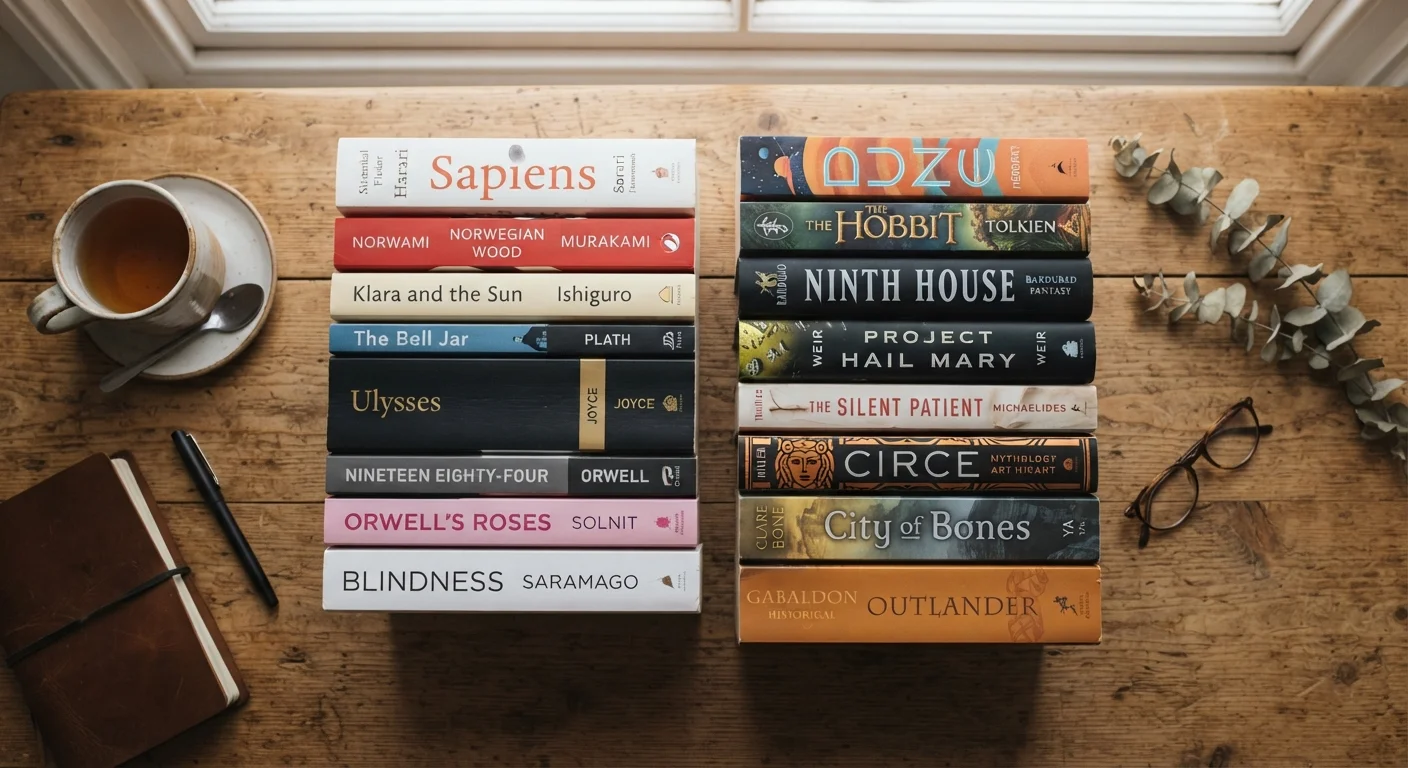
Where the Distinction Comes From
The separation between genre and literary fiction is largely a product of the twentieth-century publishing industry. As commercial fiction markets expanded - with dedicated shelving for mystery, romance, science fiction, and western novels - publishers and critics began using the term literary fiction to describe work that didn't fit neatly into those categories. The label signaled seriousness of intent rather than a specific style.
This divide carries institutional weight. Major prizes such as the Pulitzer Prize for Fiction and the National Book Award have historically favored literary fiction, while genre titles were routed toward category-specific awards. Review publications followed similar patterns, creating a feedback loop in which "literary" became associated with prestige and "genre" with entertainment - a distinction many scholars and readers now question.
For a broader look at how fiction categories shape reading behavior, see how readers approach fiction and nonfiction differently. And if you want to understand how these labels interact with the wider publishing landscape, literary fiction and commercial fiction are not the same thing is worth reading alongside this piece.
How Each Category Defines Itself
Genre fiction operates within recognized conventions that readers actively choose. A thriller promises tension and resolution; a romance promises an emotionally satisfying relationship arc. These conventions are not weaknesses - they create a shared contract between author and reader. Writers working within genre can subvert, extend, or honor those expectations, but the framework itself is part of what readers are signing up for.
Literary fiction, by contrast, tends to resist easy categorization. It typically foregrounds voice, interiority, and prose style over plot mechanics. Endings may be ambiguous. Moral resolutions may be absent. The goal is often to render human experience with enough complexity that the reader leaves with questions rather than answers. That doesn't mean plot is irrelevant - it means plot is usually subordinate to character and language.
| Criterion | Genre Fiction | Literary Fiction |
|---|---|---|
| Primary emphasis | Plot and narrative momentum | Character, voice, and language |
| Reader expectations | Defined by category conventions | Deliberately open-ended |
| Endings | Typically resolved | Often ambiguous |
| Prize recognition | Category-specific awards | Mainstream literary prizes |
| Shelving / marketing | Sorted by genre category | General fiction or literary fiction |
| Critical reception | Often reviewed within genre press | Reviewed by mainstream literary outlets |
It's worth noting that these are tendencies, not hard rules. many assumptions about genre fiction don't hold up under scrutiny - genre novels can be beautifully written, psychologically dense, and thematically rich. Meanwhile, literary fiction can be plotted with great precision.
The Blurring of Categories in Contemporary Fiction
Contemporary publishing has made the genre/literary divide increasingly hard to maintain. Novels like The Road by Cormac McCarthy and The Underground Railroad by Colson Whitehead deploy genre scaffolding - post-apocalyptic survival fiction and alternate history, respectively - while earning the critical recognition traditionally reserved for literary work. These aren't anomalies; they reflect a broader shift.
Genre blending in modern fiction has become one of the more interesting structural developments in contemporary storytelling, with authors deliberately working across category lines. Historical fiction occupies a similarly contested space - see historical fiction's position between genre and literary traditions for more on how that category handles the tension.
#1
Romance fiction's rank in U.S. adult fiction sales
Romance has consistently been the top-selling fiction category in the United States by unit volume, according to industry tracking data from the Romance Writers of America and NPD BookScan.
~65%
Share of fiction readers who read across multiple categories
Surveys of American reading habits, including those conducted by the Pew Research Center, suggest most fiction readers do not restrict themselves to a single genre or category.
The major fiction genres continue to evolve, and the cleanest summary may be this: the literary/genre distinction describes a book's positioning within publishing culture as much as anything intrinsic to the writing itself.
Does the Distinction Still Matter?
For readers, the practical answer is: somewhat, but less than the labels suggest. The distinction is genuinely useful for navigating bookstores, award shortlists, and critical conversations. Knowing that a book is marketed as literary fiction gives you reasonable expectations about pacing, resolution, and prose priority. Knowing it's genre fiction signals a different kind of reading contract.
But the distinction becomes problematic when it hardens into a hierarchy - when "literary" becomes a synonym for "serious" or "important" and "genre" implies the opposite. That framing misrepresents how fiction actually works and shortchanges enormous amounts of accomplished writing. Literary culture is shaped by these distinctions, for better and worse, and understanding where they come from is the first step toward reading past them.
Ultimately, the most useful question isn't whether a book is literary or genre - it's whether it does what it sets out to do, and whether that's something you want to read.