The Gap Between Headlines and Reality
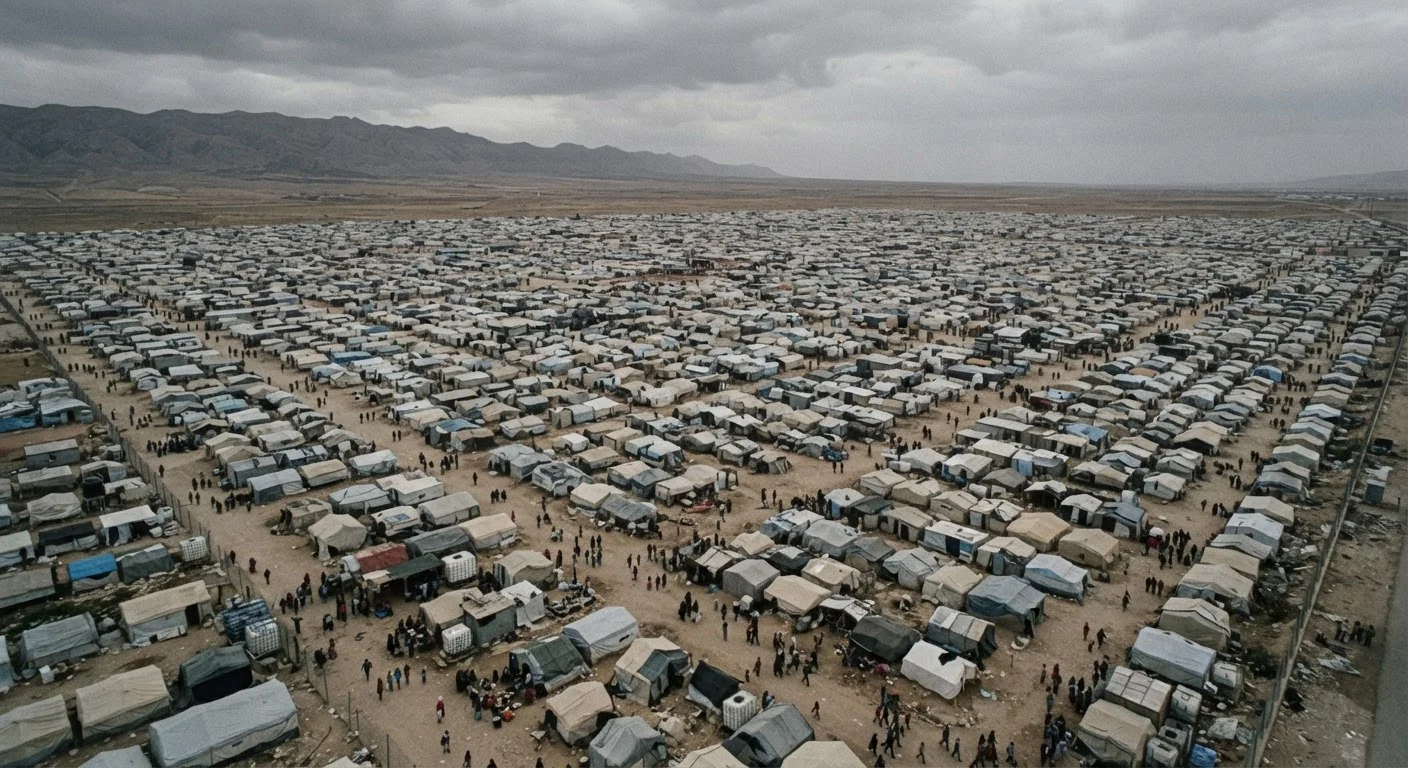
When a refugee crisis breaks into the news cycle, coverage tends to focus on numbers: how many people are crossing a border, how many boats have arrived, how many are stranded in camps. Those figures are important - but they rarely capture what is actually happening legally, politically, or humanitarianly.
The first thing to understand is that "refugee crisis" is not a neutral descriptor. It signals scale and urgency, but it bundles together people with very different legal statuses, different needs, and different claims on international protection. Reporters working under deadline pressure often use "refugee," "asylum seeker," and "migrant" as interchangeable terms. They are not. For a closer look at these and other international news terms, a dedicated glossary can help readers track the distinctions that matter.
Not All Displaced People Are Legally Refugees
Internally displaced persons (IDPs) - people forced from their homes who have not crossed an international border - are not protected under the 1951 Refugee Convention. They are often the largest and most vulnerable group in any displacement crisis, yet they receive less international legal protection than those who have crossed a border. UNHCR estimates there were over 68 million IDPs worldwide as of 2023.
What International Law Actually Says
The 1951 Refugee Convention - and its 1967 Protocol - form the legal backbone of how the world defines and responds to refugees. The Convention's core protection is non-refoulement: signatories cannot return someone to a country where they face a genuine risk of persecution based on race, religion, nationality, political opinion, or membership in a particular social group.
That definition is narrower than most people assume. Someone fleeing generalized gang violence, famine, or extreme poverty may face devastating conditions but does not automatically meet the legal threshold. This gap between humanitarian need and legal eligibility is one of the central tensions that makes refugee crises politically contentious. Governments invoking the law are not always wrong - but they are also not always acting in good faith.
117.3M
People forcibly displaced worldwide
According to UNHCR's Global Trends report for 2023, this figure represents the highest level of displacement ever recorded.
75%
Refugees hosted by developing countries
UNHCR data consistently shows that lower-income nations - often sharing borders with conflict zones - bear the largest share of the global refugee burden.
43%
Refugees who are children
UNHCR estimates that children under 18 account for roughly 40-43 percent of the global refugee population, according to recent annual reporting.
Political Pressures That Shape the Response
Even when obligations are clear, political realities complicate compliance. Host countries - often lower-income nations geographically close to conflict zones - bear disproportionate burdens. According to the UNHCR, developing countries host roughly 75 percent of the world's refugees. Wealthy nations that are further away tend to receive fewer arrivals but generate most of the political debate.
Domestic politics also play a significant role. Public anxiety about immigration, national security concerns, and competition for public services all shape how governments respond - sometimes in ways that conflict with their legal commitments. Policies such as border pushbacks, offshore processing, or accelerated deportation procedures are frequently challenged in courts precisely because of this tension between political expediency and legal obligation.
Keeping that bigger picture in view is essential when following any fast-moving refugee story.
Why Context Gets Lost in Translation
Refugee crises rarely start suddenly. They are usually the product of years - sometimes decades - of conflict, state failure, or systematic persecution. By the time a crisis appears on the front page, its roots may stretch back a generation. That backstory is difficult to convey in a brief news report.
Language itself can distort coverage. As explored in reporting on how world news gets lost in translation, cultural framing and terminology choices can quietly shift how American readers perceive who displaced people are and why they are moving. A person described as "flooding across the border" reads very differently from one "fleeing persecution" - even when both phrases describe the same individual.
Informed readers should look for coverage that names the specific conflict or policy driving displacement, distinguishes between different legal statuses, and cites primary sources like UNHCR data or official government statements rather than relying solely on political commentary.