Why Evening Phone Use Has Become a Research Priority
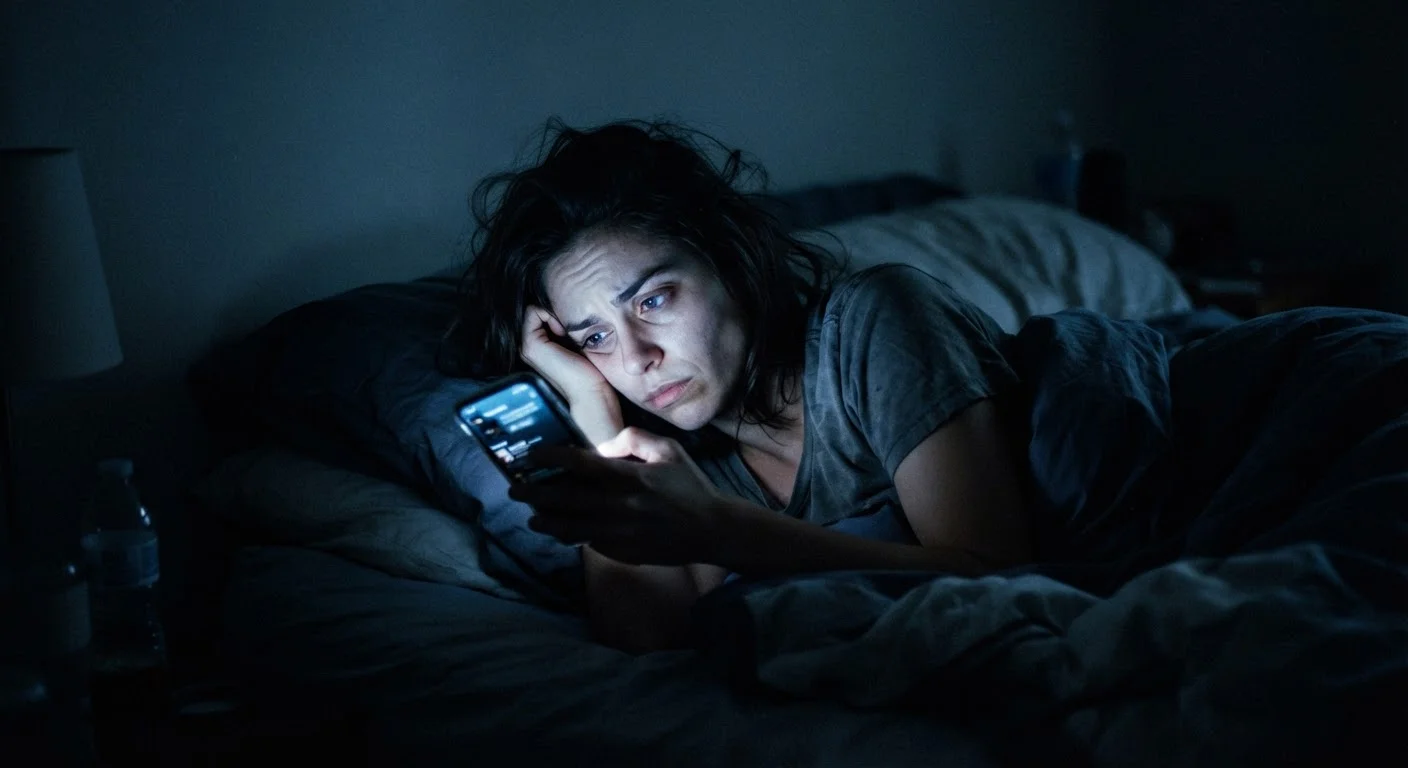
Americans spend more time on social media in the evening than at any other point in the day, according to data from the Pew Research Center. It's no surprise, then, that sleep researchers have zeroed in on this habit - but the findings are more complicated than many popular headlines suggest.
The concern isn't new. Since smartphones became ubiquitous, public health messaging has warned that screens belong out of the bedroom. But the science underpinning that advice has evolved considerably, and a growing body of research distinguishes between what you're doing on your phone, how long you're doing it, and how close to sleep you stop.
Understanding the actual evidence matters, especially as certain digital patterns - like reflexive scrolling before bed - become increasingly normalized. Sleep is foundational to physical and mental health, and getting the facts right helps people make genuinely informed choices rather than reacting to overblown warnings.
~70%
Adults who use a phone in the hour before bed
National Sleep Foundation surveys have consistently found that a large majority of American adults use electronic devices in the hour before sleep.
1-2 hrs
Typical nightly sleep loss linked to heavy evening use
A study in <cite>JAMA Pediatrics</cite> found adolescents with high bedtime phone use lost roughly one to two hours of sleep compared to lower-use peers.
~30 min
Buffer before bed linked to better outcomes
Sleep medicine guidelines commonly recommend stopping screen-based activities at least 30 minutes before intended sleep onset to allow arousal levels to decrease.
Common Myths - and What Research Actually Shows
Several persistent misconceptions shape how people think about phones and sleep. The myth-and-fact breakdowns below draw on peer-reviewed research and guidance from recognized sleep medicine organizations.
Myth
Blue light from your phone screen is the main reason social media hurts your sleep.
Fact
Blue light is a real but likely minor factor. Research suggests psychological stimulation from content has a larger practical effect on sleep.
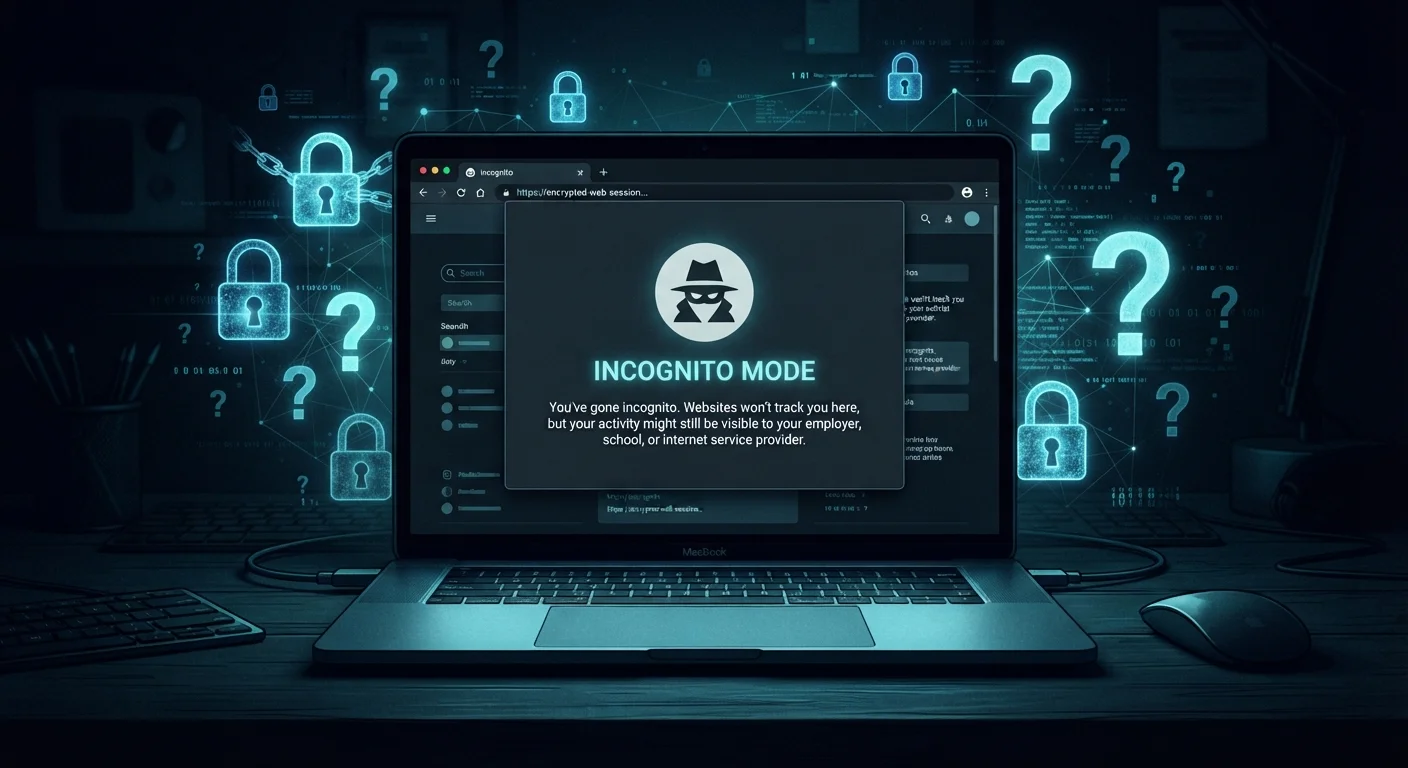
The blue light hypothesis gained prominence after laboratory studies showed that short-wavelength light suppresses melatonin production. However, a 2021 study published in Sleep Medicine Reviews found that real-world blue light exposure from phone screens - at typical brightness levels and distances - produces a relatively modest melatonin suppression compared to the effect of engaging, emotionally stimulating content. Researchers at the University of Oxford have also questioned whether blue light blocking glasses meaningfully improve sleep in everyday conditions. Light matters, but it's not the whole story.
Myth
Using night mode or reducing screen brightness fully cancels out the sleep effects of phone use.
Fact
Night mode reduces blue light emission but does not eliminate the cognitive and emotional arousal caused by engaging social media content.
Night mode features shift screen color temperature toward warmer tones, which may marginally reduce melatonin disruption. However, multiple studies - including research from Brigham and Women's Hospital - indicate that the act of reading, reacting to, and processing stimulating content before bed keeps the brain in an alert state. Dimming the screen does not dim your brain's response to emotionally activating posts, arguments, or breaking news. Night mode is not a sleep solution on its own.
Myth
Everyone who uses their phone before bed will sleep worse.
Fact
Individual differences in sensitivity, content type, and usage duration mean the effect varies considerably from person to person.
Sleep science recognizes substantial individual variability in how people respond to pre-sleep stimulation. Factors including baseline sleep quality, stress levels, content type, and chronotype (whether someone is naturally a night owl or early riser) all moderate the relationship between phone use and sleep outcomes. A person passively reading calm content for 10 minutes is in a very different position than someone spending an hour in emotionally charged comment threads. Research consistently calls for personalized rather than one-size-fits-all guidance.
Myth
Putting the phone in another room guarantees better sleep.
Fact
Removing your phone may help some people, but evidence that it alone improves sleep quality is limited and mixed.
Behavioral sleep medicine generally endorses keeping the bedroom associated with sleep rather than stimulation - a principle called stimulus control. Removing devices supports this goal in theory. However, intervention studies have not consistently shown that phone removal alone produces significant improvements in sleep duration or quality. The underlying drivers - stress, poor wind-down routines, anxiety - don't disappear with the device. For many people, developing intentional pre-sleep habits matters more than the phone's physical location. See also how always-on work culture can extend alertness into evening hours regardless of device placement.
Myth
Social media use before bed is equally harmful at any time of night.
Fact
Timing relative to sleep onset matters significantly - use that ends well before sleep differs from use right up until lights-out.
Sleep researchers generally distinguish between evening phone use that ends 30-60 minutes before intended sleep and use that continues until the moment someone tries to fall asleep. The latter compresses any wind-down period and leaves the nervous system in a higher state of arousal. Studies published in journals such as JAMA Internal Medicine have found stronger associations between sleep disruption and phone use within 30 minutes of bedtime compared to earlier evening use. Timing is a meaningful variable that blanket advice often ignores.
What Likely Matters More Than the Phone Itself
Emerging research suggests the type of content consumed before bed plays a more significant role than device use alone. Scrolling through anxiety-inducing news, heated social debates, or emotionally charged posts activates cognitive arousal - a state of mental alertness that delays sleep onset regardless of light exposure. This is sometimes called "bedtime procrastination," where users intend to stop but keep engaging because the content triggers responses.
The design of major online platforms - built around endless feeds and notification-driven engagement - can make this harder to interrupt. Platform mechanics, not just individual willpower, shape how long people stay on their devices at night.
For context on how screen habits differ across age groups, digital habits vary considerably by age, with adolescents generally showing stronger associations between late-night phone use and sleep disruption than adults. Meanwhile, reading before bed presents a useful contrast - passive, low-stimulation content that researchers have found less disruptive for most people.
Content Type Is a Critical Variable
Sleep researchers increasingly emphasize that the emotional and cognitive demand of what you're viewing before bed matters as much as how long you're on your phone. Distressing, conflict-heavy, or highly engaging social content keeps the brain in an alert state that resists sleep. If you notice difficulty winding down, examining what - not just when - you're scrolling through is a worthwhile starting point.
If you're assessing your own routines, the question isn't simply whether you use your phone before bed - it's what you use it for, how long, and whether you feel in control of when you stop.