What Makes a Creative Hobby Sustainable
A creative hobby becomes sustainable when it fits naturally into your real life rather than competing with it. That means matching the demands of the activity-time, cost, physical space, and mental energy-to what you can genuinely offer on a consistent basis.
Many people abandon creative pursuits not because they lost interest, but because the hobby was poorly matched to their circumstances from the start. Before committing to any art form, it helps to honestly assess your readiness. The readiness checklist for new creative hobbies is a practical starting point for thinking through goals, time, and budget before you invest.
Sustainability also requires realistic expectations. Creative arts reward patience. Progress is rarely linear, and comparing your early work to polished pieces you admire online is one of the fastest ways to quit. Focusing on process over outcome-enjoying the act of making-is what separates hobbyists who stick with it from those who drift away.
Choosing the Right Creative Medium
The creative arts span an enormous range: drawing, painting, ceramics, fiber arts, printmaking, collage, digital illustration, and more. Each carries different entry costs, space requirements, and learning curves. Choosing wisely at the outset matters more than most beginners realize.
Consider what kind of sensory experience appeals to you. Do you enjoy working with your hands on physical materials, or does a screen-based medium feel more comfortable? Are you drawn to solo, quiet work, or something you can do in a class or workshop setting? These preferences are practical guides, not personality tests.
When trying a new medium, give yourself a set number of sessions-say, six to eight-before deciding whether it's for you. First impressions in creative arts are often misleading; discomfort early on is part of the learning process, not a verdict.
Most skill acquisition follows a curve where early difficulty is highest. Committing to a defined trial period prevents premature abandonment before any real sense of the medium develops.
Keep your most-used supplies visible and accessible rather than stored away. A creative hobby you can start in under two minutes is one you'll actually return to.
Behavioral research on habit formation consistently shows that reducing friction-the steps between intention and action-dramatically increases how often people follow through on discretionary activities.
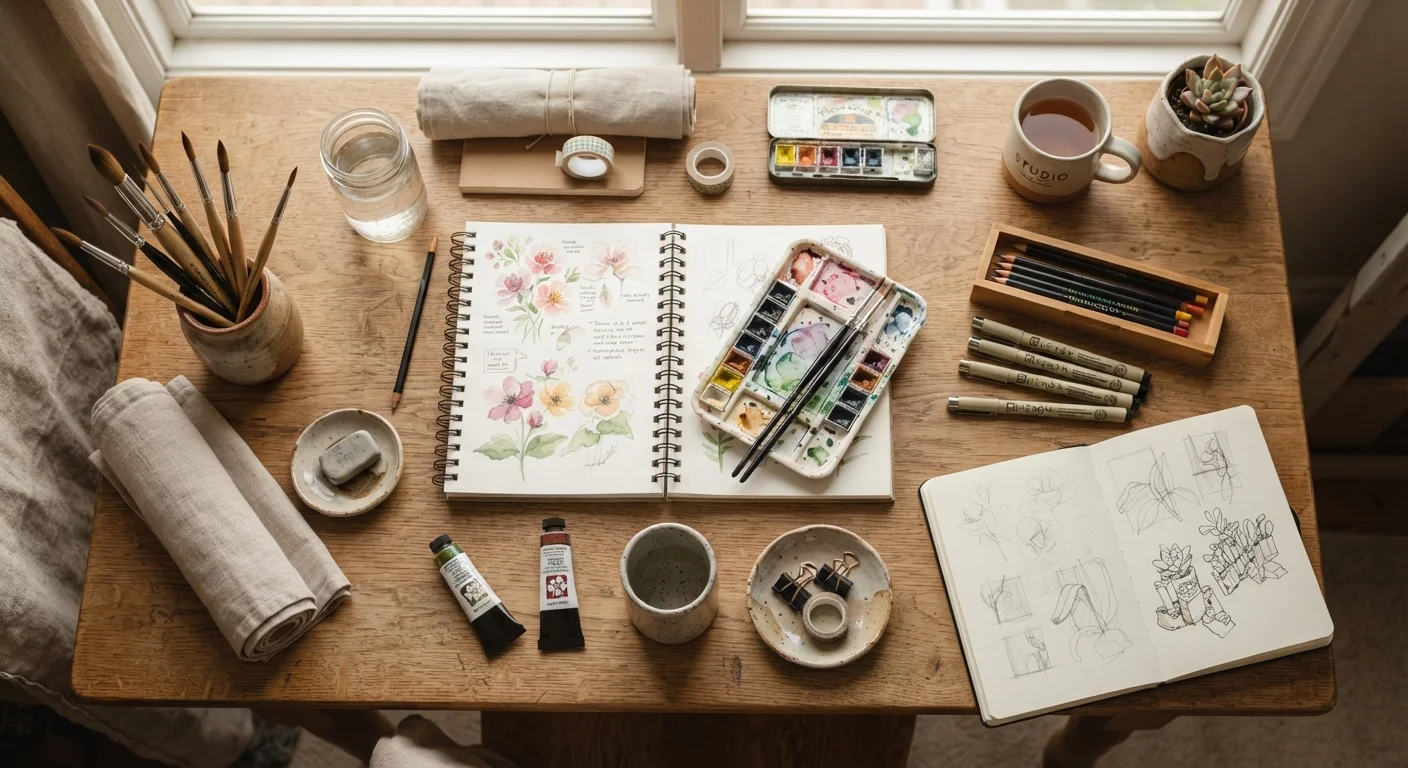
If you're uncertain, try low-commitment entry points first: a single watercolor set and a small pad of paper, a beginner wheel-throwing class at a local studio, or a free digital drawing app. Spending a few hours with a medium before investing heavily tells you far more than reading about it. For those exploring terminology as they browse options, a glossary of creative arts terms can demystify unfamiliar language quickly.
Managing Supplies, Space, and Budget
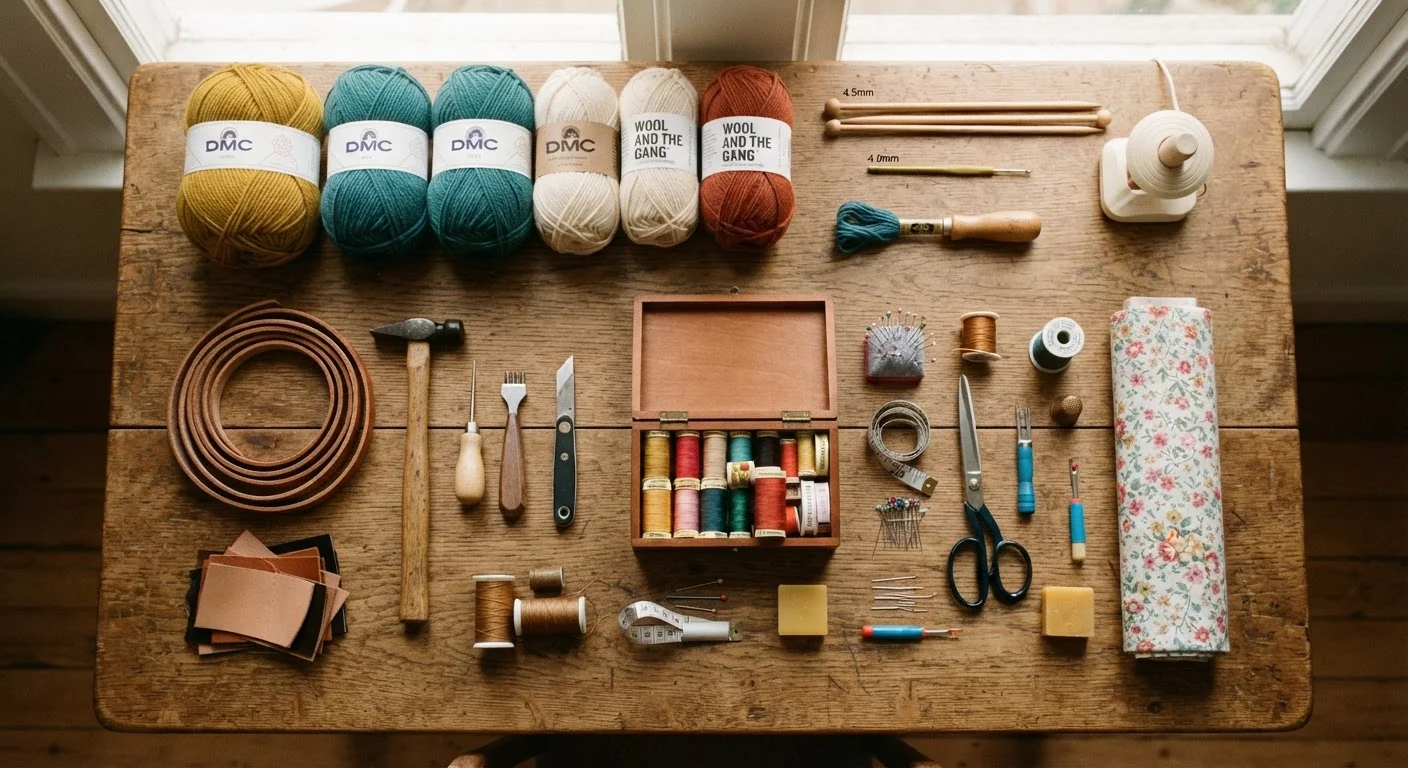
Supply accumulation is one of the hidden pressures of creative hobbies. It's easy to spend significantly before you've developed a real practice. A more sustainable approach is to start with a minimal, quality set of core tools rather than buying comprehensively upfront.
Space matters too. Some mediums-oil painting, ceramics, screen printing-require dedicated, ventilated areas and can be difficult to pack away between sessions. Others, like sketching, embroidery, or writing, are highly portable and can be done almost anywhere. Matching your medium to your actual living situation reduces friction and keeps the hobby active.
Watch for Supply Creep Early On
Buying materials can feel productive, but it can substitute for actual creative practice. Set a simple rule: use what you have before purchasing anything new. This habit keeps costs in check and forces you to develop skill with your current tools rather than chasing better equipment.
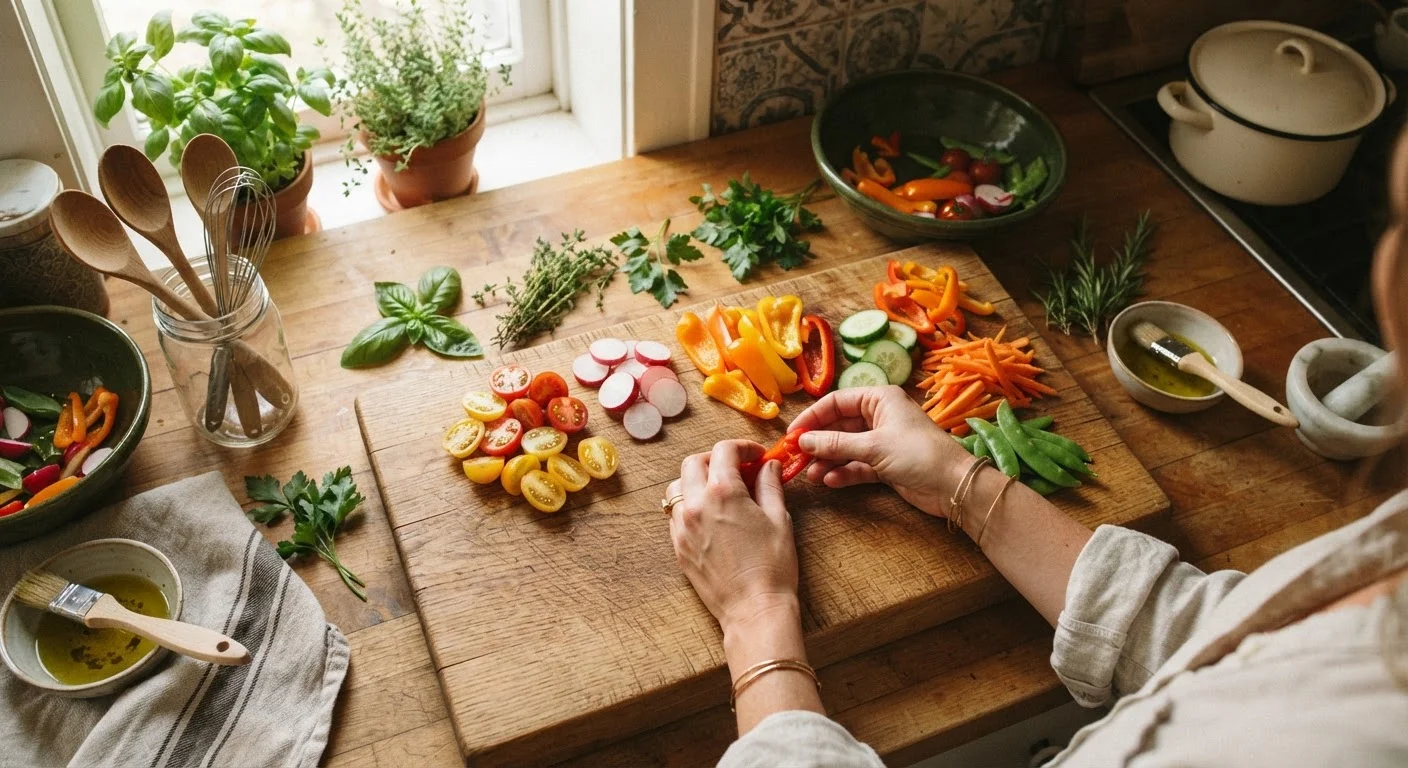
Creative hobbies can also serve as an unexpected complement to everyday activities. For example, people who already enjoy cooking sometimes find that the same improvisational mindset applies to visual arts. Exploring cooking as a creative outlet illustrates how creativity already present in daily life can inform new hobby pursuits.
Building Skill Over Time
Skill in the creative arts develops through repetition, reflection, and gradually increasing challenge. Short, regular practice sessions-even 20 to 30 minutes several times a week-tend to produce more durable progress than long, infrequent bursts.
Structured learning helps, especially early on. Books, community classes, online tutorials, and local workshops all offer different learning experiences. Many hobbyists find that alternating between guided instruction and free experimentation keeps development balanced: instruction provides technique, free play builds confidence and personal voice.
45%
Americans who engage in a creative hobby regularly
According to survey data from the National Endowment for the Arts, nearly half of U.S. adults participate in some form of creative activity outside their professional work.
20-30 min
Effective daily practice session length for skill building
Research in skill acquisition suggests that shorter, consistent daily sessions typically produce stronger long-term retention than equivalent time in infrequent longer blocks.
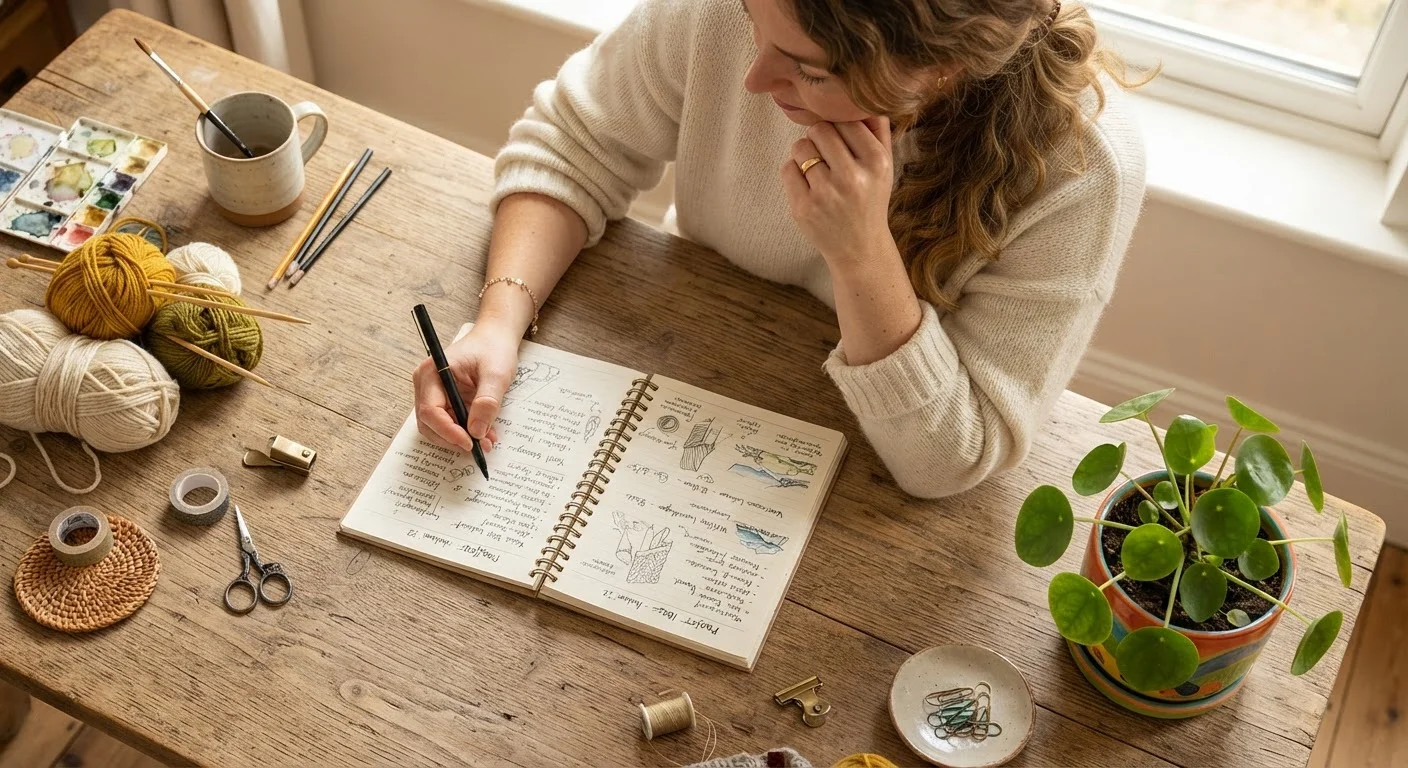
Keeping a sketchbook, journal, or project log lets you track growth across weeks and months. Looking back at early work is often one of the most motivating experiences a creative hobbyist can have-visible progress is its own reward.
Finding Community and Staying Motivated
Creative hobbies practiced in isolation can stall. Community-whether in-person at a local guild, art center, or makerspace, or online through forums and social platforms-provides accountability, feedback, and the kind of enthusiasm that's hard to sustain alone.
Sharing work, even imperfect work-in-progress, helps hobbyists stay engaged. It shifts the focus from private perfectionism to active participation in a larger creative conversation. Many hobbyists who appear in common pastimes communities report that peer connection is one of the primary reasons they've maintained a hobby for years.
Setting modest, tangible goals also helps: finishing a small series of pieces, trying a new technique each month, or contributing to a community challenge or swap. Goals don't need to be ambitious-they just need to be specific enough to give practice a direction.
Navigating Creative Blocks and Burnout
Creative blocks-periods when motivation disappears or work feels persistently unsatisfying-are a normal part of any sustained creative practice. They're not signs of failure or lack of talent.
Common triggers include overambitious projects, lack of variety, comparison to others, and simply being mentally depleted from other areas of life. Recognizing the cause usually points toward the solution: scaling down a project, trying an unfamiliar medium, stepping away temporarily, or protecting creative time from daily stress.
Burnout is distinct from a temporary block. It often signals that a hobby has accumulated too much pressure-expectations of productivity, public performance, or monetization that has transformed play into obligation. Returning to what first made the medium enjoyable, without any goal other than the act itself, is a reliable reset. For hobbyists looking to branch out and restore perspective, outdoor activities offer a refreshing counterbalance that many creatives find restorative.