Why a Self-Assessment Before a New Hobby Actually Matters
Most hobby enthusiasm fades not because the activity itself was wrong, but because the fit was off - too expensive, too time-consuming, or too at odds with how a person actually learns and recharges. A quick, honest self-assessment before committing can help you avoid that familiar cycle of gear purchases that end up in the garage and subscriptions that go unused.
This checklist works across hobby types, whether you're eyeing something creative, physical, social, or solitary. If you're specifically weighing creative pursuits, our creative hobby readiness checklist covers that territory in more depth. And if you're unsure whether an indoor or outdoor activity suits your lifestyle, this comparison of indoor vs. outdoor hobbies is a useful starting point.
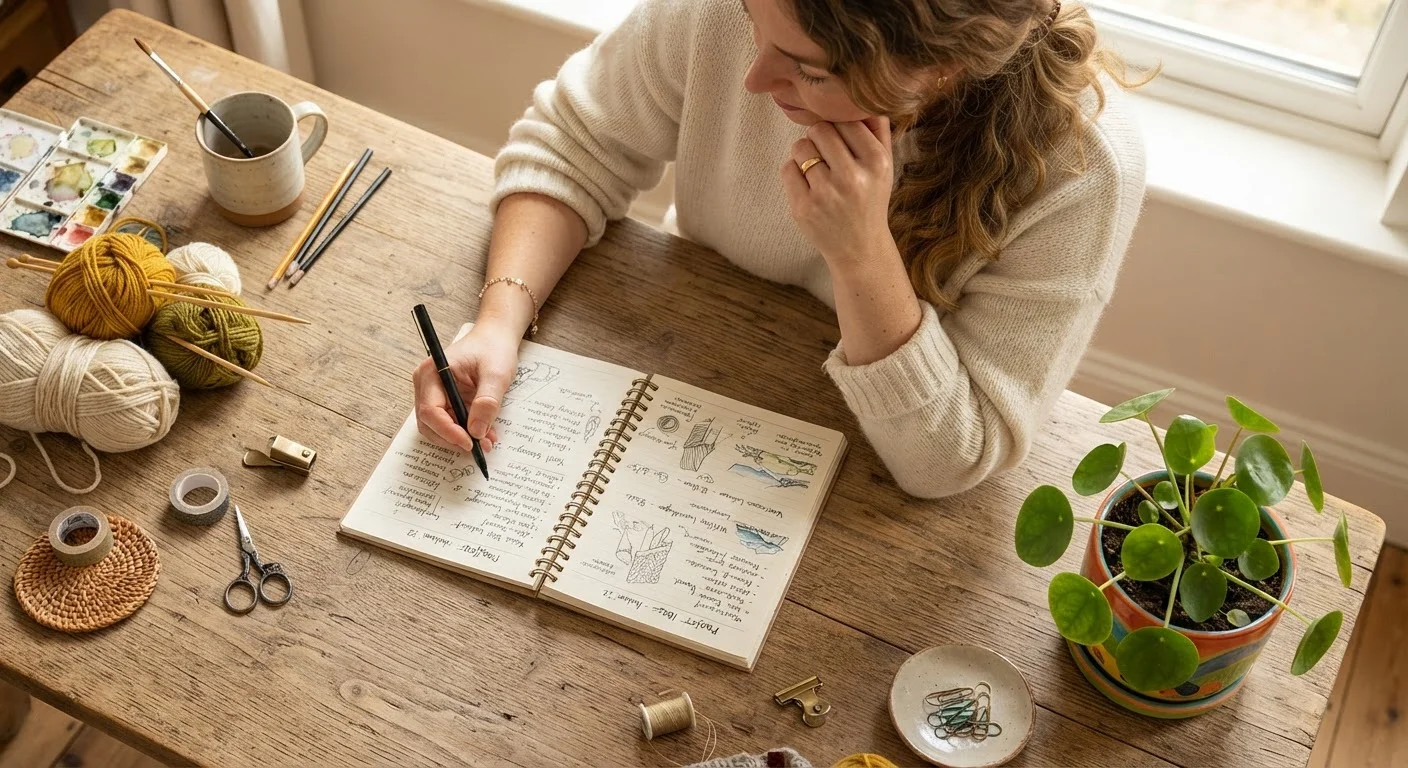
Work through the checklist groups below with a pen and paper - or just mentally tick each one. The goal isn't to talk yourself out of anything, but to go in with eyes open.
Motivation & Goals
Time & Schedule
Budget & Resources
Space & Environment
Learning Style & Social Fit
What to Do With Your Answers
Once you've gone through the checklist, patterns will likely emerge. If you flagged multiple items in the Time or Budget groups as unresolved, that's a signal to either scale your ambitions back or revisit the idea in a few months when your situation changes - not a reason to abandon the idea entirely.
Don't Let Gear Enthusiasm Get Ahead of You
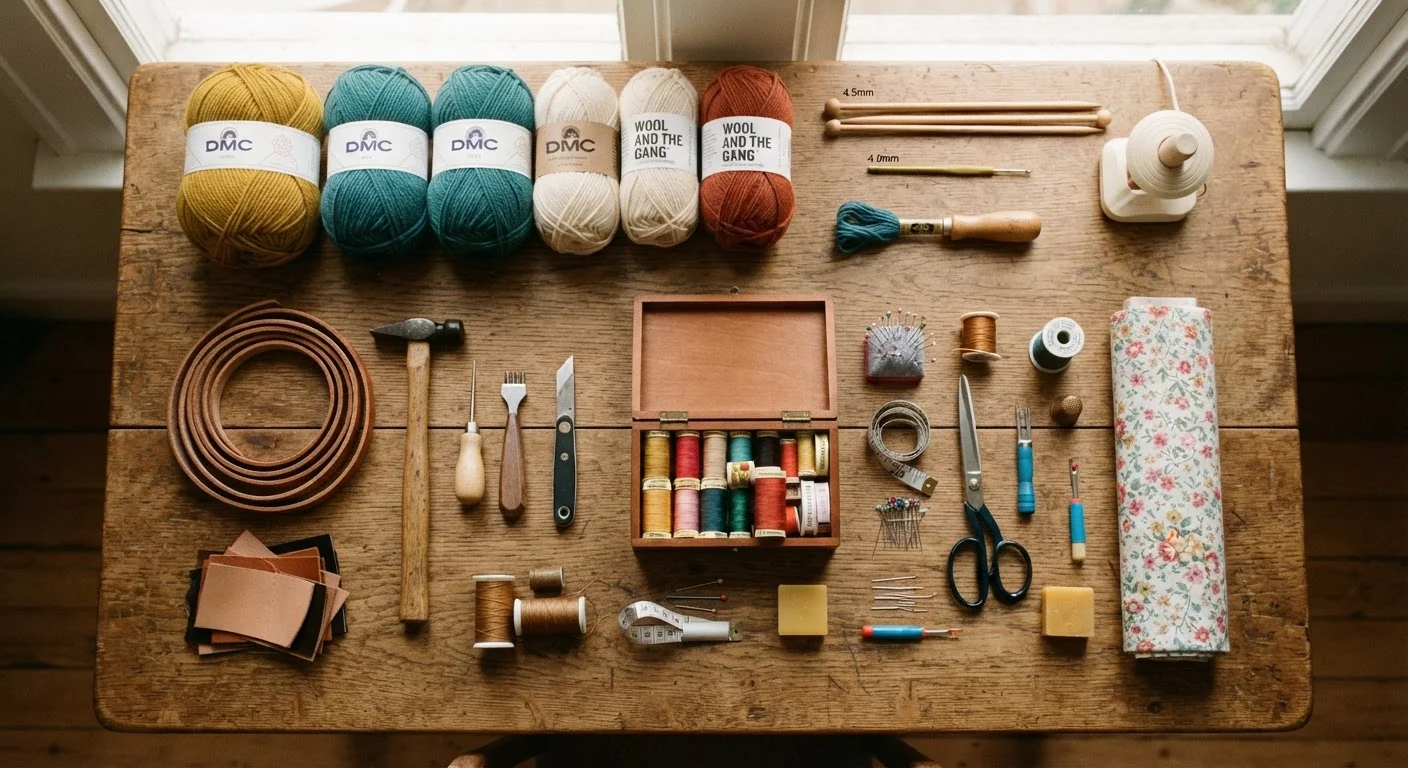
One of the most common and avoidable mistakes new hobbyists make is investing heavily in equipment before they know whether they'll enjoy or sustain the activity. Most hobbies have inexpensive or borrowable entry-level options that let you test the experience first. Wait until you've completed a genuine trial period before upgrading to more specialized or costly gear.
A strong match across most groups - clear motivation, realistic time windows, adequate space, and a learning style that fits the hobby's demands - is a green light to start small and experiment. Commit to a trial period of four to six weeks before investing in significant gear or formal instruction.
If you're returning to hobbies after a long break or picking something up later in life, our guide for adults starting new hobbies after 40 addresses some of the particular considerations worth thinking through. Once you've chosen a direction, building a hobby habit that sticks is the natural next step - covering how to carve out consistent time and maintain momentum past the early enthusiasm phase.
The checklist is a tool, not a verdict. Use it to make a more informed first move, then adjust as you learn more about what the hobby actually demands of you in practice.