The Chore-Hobby Divide: Why Cooking Is Uniquely Ambiguous
Few everyday activities sit as uncomfortably on the line between necessity and pleasure as cooking. Unlike gardening or woodworking - pursuits that exist almost purely in leisure time - cooking is inescapable. Everyone needs to eat, which means millions of people engage with pots, pans, and cutting boards every single day, whether they want to or not.
This obligatory baseline is what makes cooking unusual among potential hobbies. As the landscape of American hobbies shows, most pastimes are purely elective - you pursue them only because you want to. Cooking rarely has that luxury. The result is that the same activity can feel like drudgery on a Tuesday evening and like genuine creative play on a Sunday afternoon, depending entirely on context and mindset.
Understanding what shifts cooking from obligation to pastime requires looking past the physical act of preparing food and examining the psychological relationship a person has with the process itself.
Start With What You Already Know
The easiest entry point into cooking as a hobby is deepening your understanding of dishes you already make. Pick one familiar recipe and research its origins, try a regional variation, or experiment with one substituted ingredient. This low-stakes approach builds curiosity without the pressure of starting from scratch.
What Actually Defines a Cooking Hobby
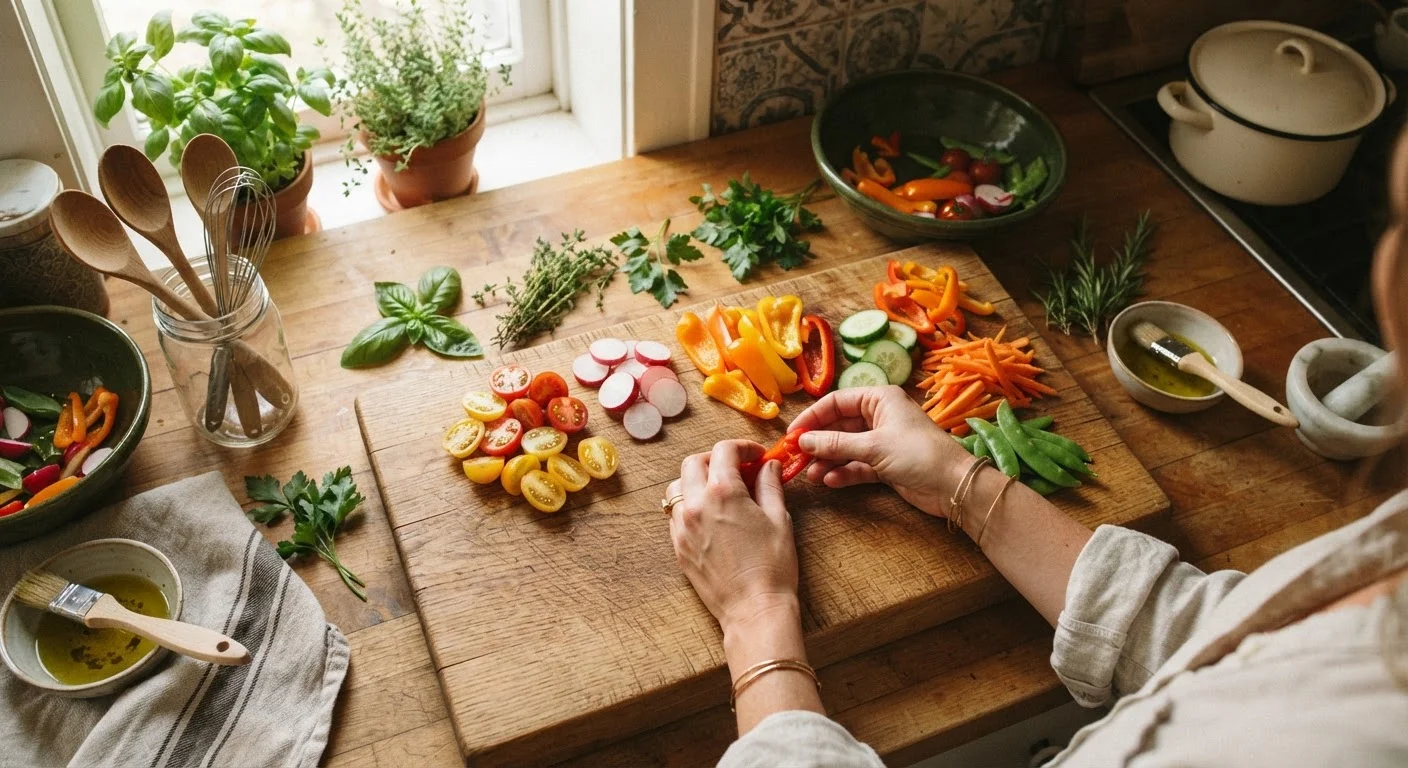
The distinguishing factor isn't skill, equipment, or even time - it's intentional engagement. A hobbyist cook chooses to be in the kitchen. They select recipes that stretch their abilities, seek out unfamiliar ingredients, or experiment with techniques they've seen in cookbooks or cooking videos. The outcome matters less than the act of learning and creating.
Several markers typically characterize cooking as a genuine hobby:
- Curiosity-driven exploration: Actively seeking out new cuisines, flavor profiles, or methods beyond everyday standby recipes.
- Tolerance for failure: A hobbyist doesn't mind a dish that doesn't come together perfectly - it becomes data for next time.
- Investment in the process: Enjoying the chopping, the seasoning adjustments, the smell of aromatics - not just the finished plate.
- Voluntary time commitment: Carving out time specifically for experimental or ambitious cooking, separate from regular meal prep.
This aligns with what researchers studying leisure behavior call serious leisure - a concept describing activities pursued with commitment, skill development, and personal identity investment. Cooking fits this framework when it becomes a practice rather than a task.
60%
Americans who cook at home most days
According to surveys conducted by the Bureau of Labor Statistics' American Time Use Survey, the majority of Americans engage in food preparation daily - though their experience of that activity varies widely.
3 in 10
Adults who describe cooking as a hobby or passion
Various consumer surveys suggest roughly 30% of adults in the U.S. identify cooking as something they actively pursue for enjoyment beyond daily necessity.
The Psychological Benefits That Come With the Shift
When cooking transitions into a hobby, it carries a different set of psychological rewards than routine meal prep. Research in positive psychology has consistently linked creative, skill-building activities to reduced stress, improved mood, and a stronger sense of self-efficacy - the belief that one can successfully complete meaningful tasks.
Cooking, specifically, engages multiple senses simultaneously, which many practitioners describe as an almost meditative quality. The requirement to focus on timing, temperature, and technique has a way of displacing anxiety and pulling attention into the present moment.
There is also the dimension of concrete, tangible accomplishment. Unlike many modern forms of work and leisure that produce intangible results, cooking yields something you can share at the table - a form of satisfaction that is immediate and social.
“Cooking is one of the few everyday activities that can serve simultaneously as craft, science, and art. When approached with attention, it becomes a genuine form of creative expression available to virtually everyone.”
— Michael Pollan, Author and journalist covering food, cooking, and culture
For those interested in sustaining that creative momentum beyond initial enthusiasm, the principles discussed in building a creative practice that actually sticks apply directly to the kitchen.
How to Cultivate Cooking as a Creative Practice
Shifting one's relationship with cooking is largely a matter of structure and permission. A few practical approaches help make that transition feel natural rather than forced.
Separate exploratory cooking from functional cooking. Weeknight dinners can remain efficient and familiar. Designate a different time - even once a week - for cooking that is specifically about learning or experimenting. This removes the pressure of feeding a household on a deadline from the creative space.
Consider what goes into sustaining any creative hobby: consistent practice, a manageable scope, and room to develop skill gradually. The same principles apply in the kitchen. Start with one new technique or ingredient rather than attempting a complex multi-course menu.
Build a reference library. Cookbooks, food memoirs, and culinary history aren't just recipe sources - they provide context and inspiration that elevate cooking from mechanical repetition to an intellectually engaging pursuit. Understanding why a technique works deepens the creative relationship with ingredients.
Finally, if sustaining any new hobby feels difficult, the guidance in how to build a hobby habit that actually sticks offers a practical framework for making deliberate cooking a consistent part of leisure life.