What Counts as a Crafting or DIY Hobby?
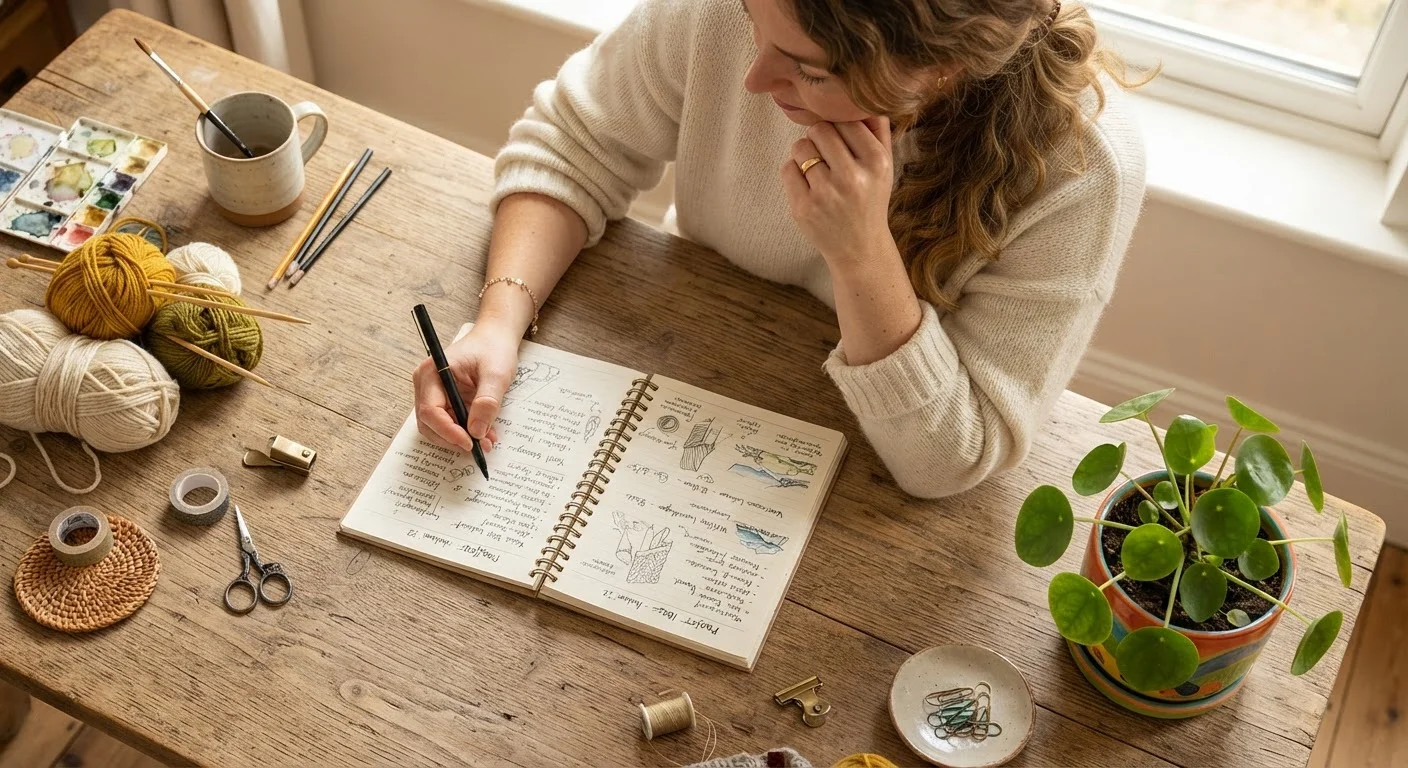
Crafting and DIY (do-it-yourself) hobbies are hands-on pursuits in which a person creates, builds, repairs, or transforms physical materials using skill and intention. They range from textile arts like knitting and quilting to construction-based activities like woodworking and home repair. What connects them is the combination of manual technique and a tangible result.
These hobbies sit within a broader leisure landscape covered in our overview of how Americans spend their free time. They are also closely related to the creative arts category, which covers self-expression across many mediums.
| Primary category | Crafting & DIY (subset of Creative Arts) |
| Skill entry level | Ranges from beginner (origami, crocheting) to intermediate/advanced (woodworking, weaving) |
| Workspace requirement | Varies - fiber arts need minimal space; woodworking typically requires a dedicated workshop area |
| Cost range | Low (paper arts) to moderate-high (woodworking tools, resin supplies) |
| Common community formats | Local guilds, online forums, social media groups, in-person classes |
A Reference to the Most Popular Crafting Hobbies
Below is a concise breakdown of widely practiced hands-on hobbies in the United States, organized by type.
Fiber Arts
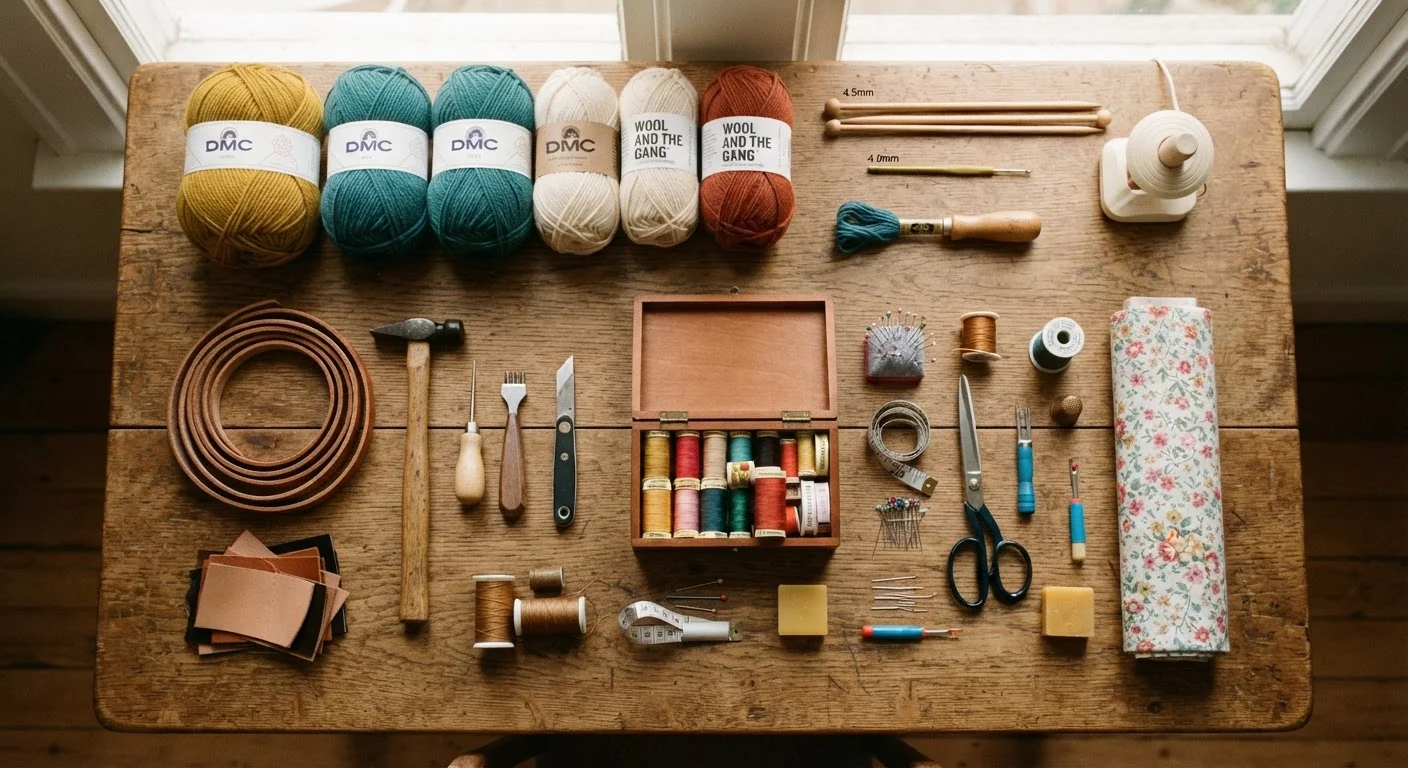
- Knitting: Creating fabric by interlocking loops of yarn using needles. Suits people who enjoy repetitive, meditative work and portable projects. Both functional items (scarves, sweaters) and decorative pieces are common outputs.
- Crocheting: Similar to knitting but uses a single hooked needle. Often considered more beginner-friendly because each stitch is completed individually before the next begins.
- Quilting: Sewing together layers of fabric to create a padded textile. Historically rooted in American tradition, it appeals to those who enjoy pattern, color coordination, and large-scale projects.
- Weaving: Interlacing threads on a loom to produce fabric or wall art. Requires more equipment than knitting but allows for complex visual designs.
Woodworking and Construction
- Woodworking: Shaping and joining wood to build furniture, decorative objects, or tools. Requires workspace and safety equipment. Appeals to detail-oriented people who enjoy structural problem-solving.
- Scroll Sawing: Using a fine-toothed motorized saw to cut intricate curves and shapes in thin wood. A more accessible entry point into woodworking for those with limited space.
Leathercraft
Leathercraft involves cutting, stamping, stitching, and finishing leather to produce wallets, belts, bags, and other goods. It combines design thinking with durable, tactile materials. The learning curve is moderate; basic hand-stitching tools are sufficient for beginners.
Paper and Book Arts
- Origami: Folding paper into figures or structures without cutting or gluing. Requires no materials beyond paper and no dedicated workspace.
- Bookbinding: Assembling folded pages and attaching covers by hand. A slower, methodical craft that produces functional journals or custom books.
Resin and Mixed Media
Resin casting involves pouring liquid resin into molds and letting it cure into solid objects - jewelry, coasters, and decorative pieces are typical. It requires attention to safety (ventilation, gloves) and precise timing.
Fiber arts
A category of crafts that use natural or synthetic fibers - including yarn, thread, and fabric - to create textiles or objects. Examples include knitting, crocheting, weaving, and quilting.
Leathercraft
The practice of working with leather to produce functional or decorative items. Techniques include cutting, tooling, dyeing, and hand-stitching.
Resin casting
A craft process in which liquid epoxy or polyester resin is poured into a mold and left to harden into a solid form. Common uses include jewelry, coasters, and decorative objects.
Loom
A device or frame used in weaving to hold threads under tension so that other threads can be interlaced through them to produce fabric.
Bookbinding
The craft of assembling the pages of a book and attaching a cover by hand using folding, sewing, and adhesive techniques.
For those interested in exploring beyond crafts, our introduction to outdoor hobbies offers a useful contrast in how leisure time can be spent.
Who Tends to Enjoy These Hobbies - and Where to Go Next
Hands-on hobbies attract people for different reasons. Fiber arts tend to appeal to those who value portability, community (knitting circles, online groups), and meditative repetition. Woodworking and leathercraft often suit people drawn to durability and functional outcomes - making something that will be used for years. Paper arts attract minimalists who want low-cost, low-clutter creative outlets.
No personality type is excluded from any category, and many crafters practice multiple disciplines. The common thread is an appreciation for working with one's hands and seeing a project through from raw material to finished object.
If you're deciding where to start, the practical primer for creative arts beginners walks through how to choose a medium that fits your schedule, budget, and temperament. For a deeper look at how these disciplines relate to each other, see the full map of creative arts hobbies. Once you've found your footing, sustaining a creative hobby long-term covers everything from managing supplies to navigating creative blocks.