What the Stadium Actually Gives You
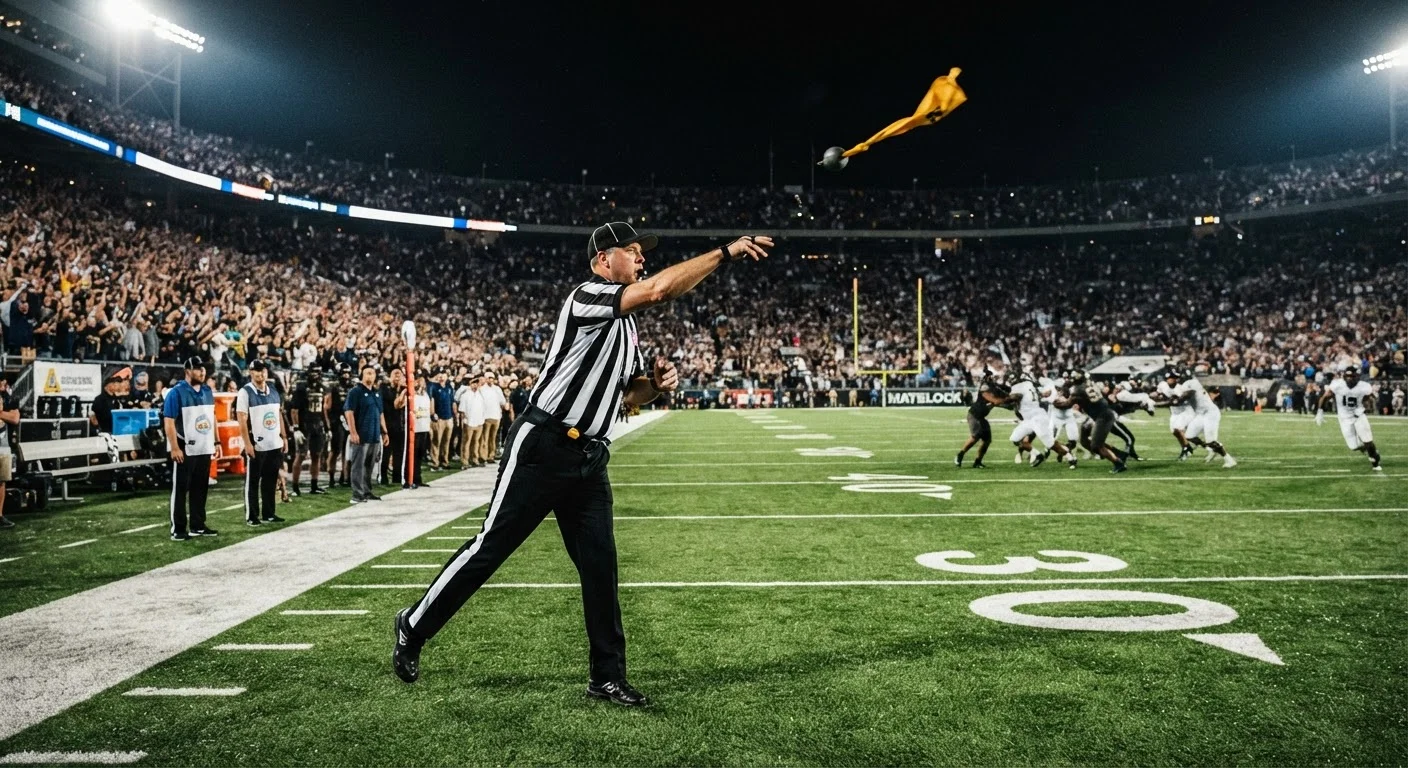
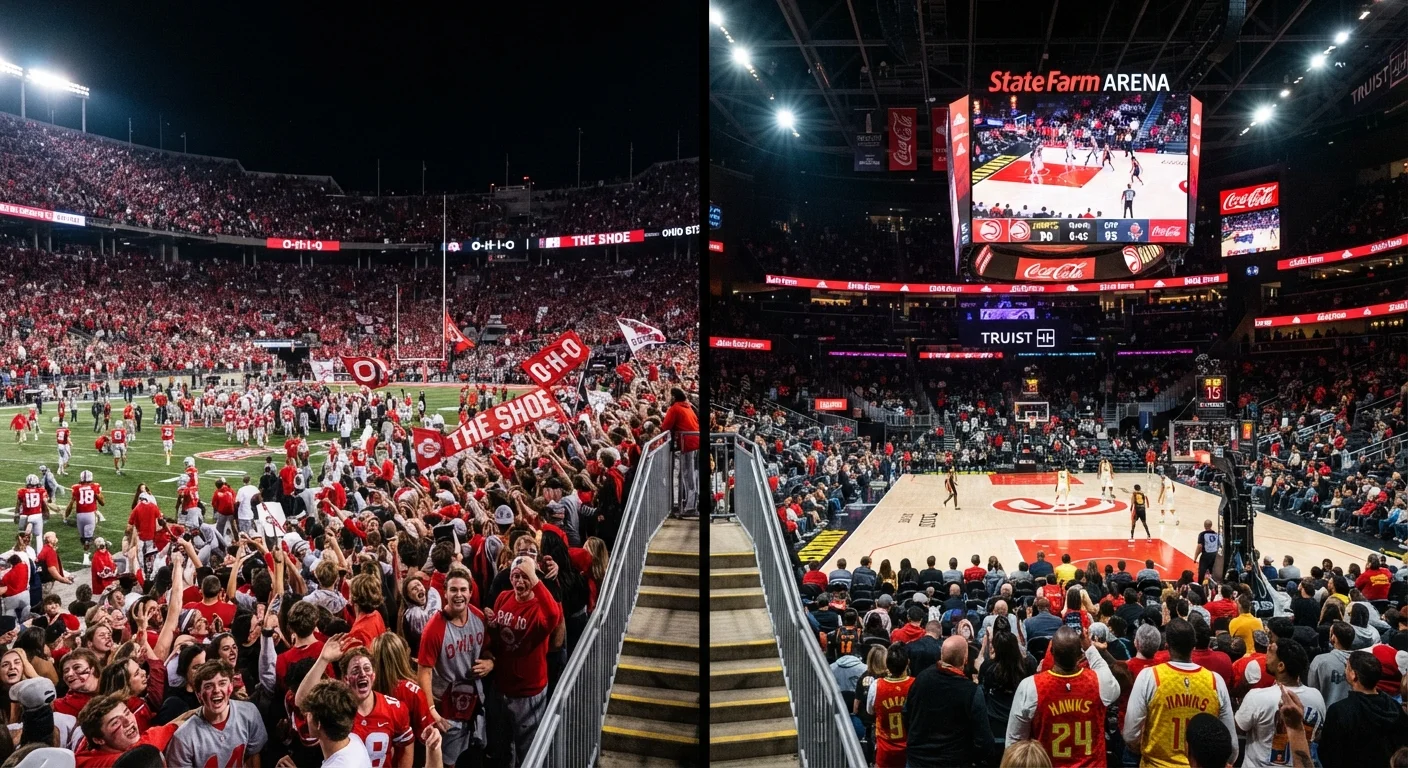
Walking into a major American sports venue for the first time is a sensory experience unlike almost anything else in everyday life. The scale of the crowd, the noise level, the shared anticipation - these elements combine to create what fans often describe as an atmosphere that television simply cannot translate. When a home run clears the wall or a quarterback scrambles for a touchdown, the collective eruption of thousands of people around you is physically felt, not just seen.
Beyond atmosphere, live attendance means witnessing the full field of play rather than the curated camera angles a broadcast selects. You can track off-ball movement, observe how a defensive line sets up, or watch a player's reaction after a whistle. That broader view rewards attentive fans with a different kind of understanding of the game.
The social dimension is equally real. Tailgating before a game, navigating the concourse, or sharing a high-five with a stranger after a big play - these are the rituals that bind fan communities. As explored in our overview of American sports fan culture, these in-person rituals are a core part of how fandom is lived and remembered. For a practical guide to your first visit, attending your first live game covers everything from gates to seating etiquette.
| Criterion | Stadium Attendance | Watching From Home |
|---|---|---|
| Atmosphere | Immersive crowd energy, live sound | Ambient - depends on your setup |
| Cost | High - tickets, travel, concessions | Low - subscription or cable fee |
| Viewing clarity | Varies by seat location | Consistent HD broadcast view |
| Replays & analysis | Limited jumbotron replays | Full multi-angle broadcast replays |
| Multi-game access | One game only | Multiple games simultaneously |
| Planning required | Significant - tickets, transit, timing | Minimal |
| Social experience | In-person crowd, tailgating culture | Online communities, group chats |
| Comfort | Varies - weather, seat size | High - your own space and pace |
What Watching From Home Actually Gives You
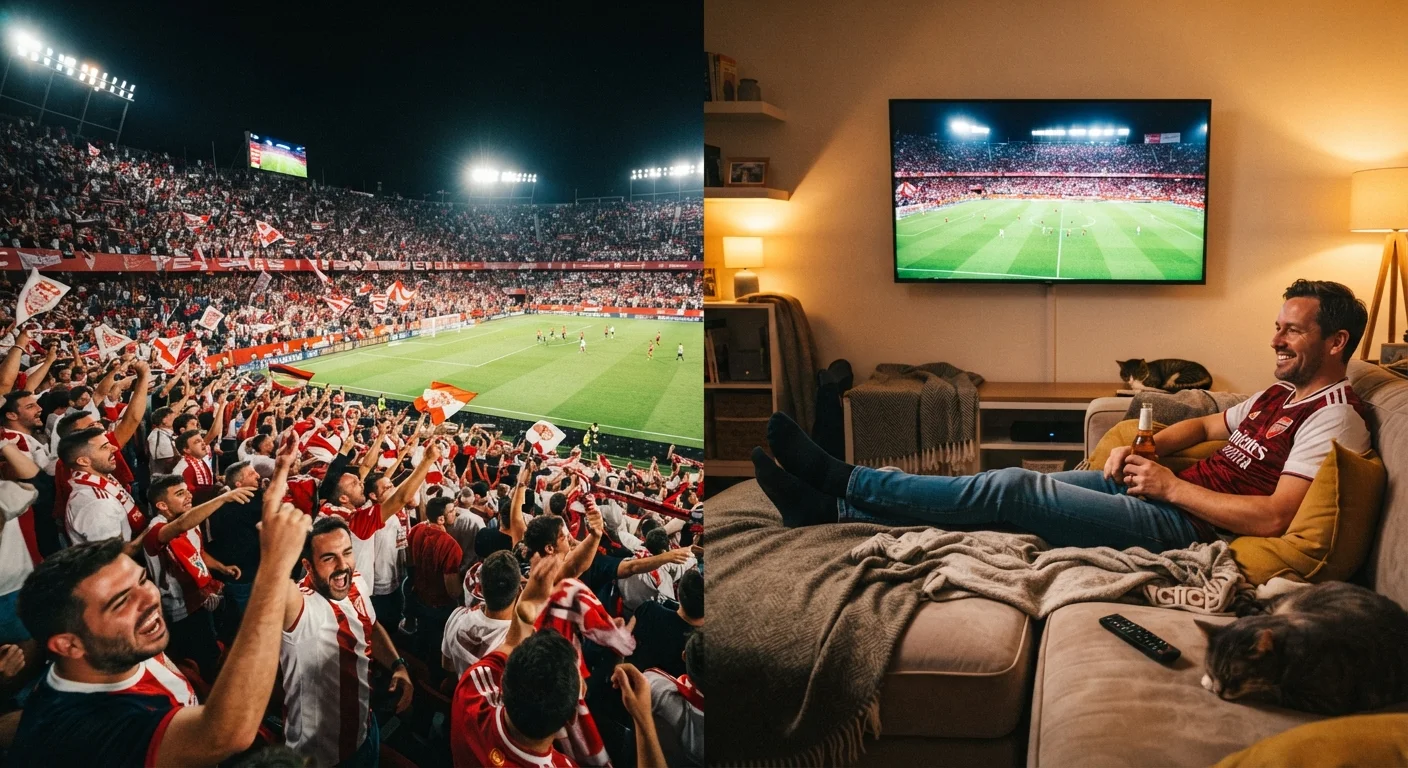
Home viewing has evolved considerably beyond simply seeing what a stadium camera catches. Modern sports broadcasts offer multiple camera angles, slow-motion replays, in-game analytics, sideline access, and expert commentary that help viewers understand what is happening at a level most seats cannot match. When a controversial call is made, viewers at home have access to replay review before most fans inside the building fully understand the ruling.
Flexibility is another genuine advantage. A fan at home can track a fantasy sports lineup across several concurrent games, switch between a close fourth quarter and an emerging pitching duel, or pause to handle a household obligation - none of which is possible in a stadium seat. The financial gap is also significant. Fan spending adds up quickly, and live attendance consistently represents the highest single-event cost in a fan's budget.
Home watch parties and online fan communities have also given the at-home experience a social layer. Fans engage with each other in real time through social platforms, sports forums, and group chats, which means the communal aspect of fandom is no longer exclusive to physical spaces. Our online participation hub explores how these digital fan spaces are structured and sustained.
~$151
Average NFL fan cost per game
Team Marketing Report data consistently places the average cost for one NFL fan to attend a game - including ticket, parking, food, and a beverage - above $150.
115M+
Super Bowl TV viewers (US)
Recent Super Bowl broadcasts have drawn over 115 million television viewers in the United States, making home viewing the dominant mode of consumption for marquee events.
Top 3
Live sports rank among most-watched TV content
According to Nielsen data, live sports consistently rank among the three most-watched categories of television programming in the United States each year.
Key Trade-Offs to Weigh
Choosing between the two experiences is not about which is objectively superior - it is about which trade-offs align with your priorities on a given day. Stadium attendance demands planning: purchasing tickets in advance, arranging transportation, budgeting for food and merchandise, and committing a full afternoon or evening. Home viewing demands almost none of that, but it also cannot replicate the memory of being physically present for a meaningful moment in a team's season.
Sightlines matter too. Seats in the upper decks of large stadiums can place fans surprisingly far from the action, while a well-positioned television provides a closer and often clearer view of key plays. That said, watching an outdoor game in appropriate weather - a crisp October baseball playoff, a bright autumn afternoon of college football - is an experience with its own particular pleasure that broadcast cannot simulate.
Both experiences are legitimate expressions of fandom, and many committed fans move fluidly between them depending on the game's importance, the opponent, or practical circumstances. Understanding what each option genuinely delivers helps fans make choices that match their expectations rather than leaving them disappointed by either the cost of a ticket or the limitations of a couch.