Where the Code Comes From
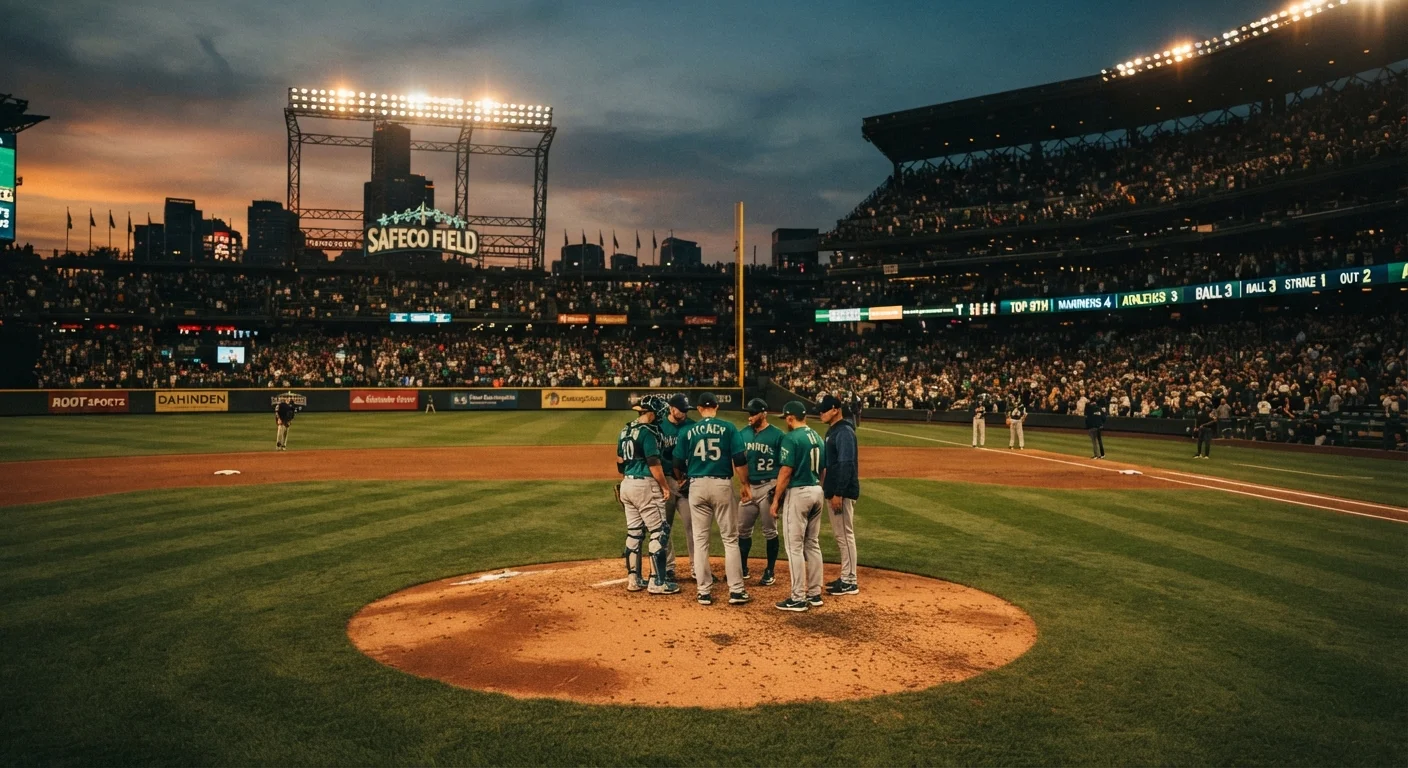
Baseball has been played professionally in the United States since the 1870s, and its informal customs predate many of its written regulations. Long before anyone debated a rulebook clarification, players were already policing each other on how the game should feel - not just how it should be scored.
These norms emerged from a culture that valued toughness, respect between competitors, and the idea that the game itself was bigger than any individual performance. Veterans passed expectations down to rookies, and teams developed a shared sense of what was acceptable. Much like how unwritten rules shape behavior in online communities, baseball's informal code fills gaps that no formal rulebook could anticipate.
The result is a living tradition - one that shifts with generations but never fully disappears.
The Most Well-Known Unwritten Rules
Several customs appear consistently across eras and rosters:
- Don't mention a no-hitter in progress. When a pitcher is throwing a no-hitter, teammates avoid discussing it in the dugout. Breaking this silence is considered bad luck - and bad manners.
- Don't steal bases during a blowout. Running aggressively when your team leads by a large margin is seen as rubbing it in. The margin typically cited is a lead of five or more runs late in the game.
- Don't bunt to break up a no-hitter. While technically legal, this is widely considered a cheap way to end a historic pitching performance.
- Pitchers police their own. If a teammate gets hit by a pitch - especially in a suspicious situation - the opposing pitcher may expect retaliation. This is one of the most controversial and physically consequential customs.
- Respect the veteran hierarchy. Rookies are generally expected to defer to veterans in practical matters like dugout seating, travel, and batting practice schedules.
150+
Years of informal baseball customs
Baseball's unwritten code has been passed between players since the sport's professional origins in the 1870s, predating many official regulations.
~30
Bench-clearing incidents per MLB season
MLB games routinely see multiple bench-clearing or mound-charging incidents per season, many triggered by perceived violations of the unwritten code.
76%
Fans aware of baseball's informal code
A survey cited by sports culture researchers found a majority of baseball fans are familiar with the concept of unwritten rules, even if they disagree with specific customs.
These customs aren't arbitrary. Most trace back to a competitive ethic: win hard, but respect the competition and the integrity of the game.
The Celebration Debate: Old Code vs. New Expression
No aspect of baseball's unwritten rules generates more debate today than how players celebrate. Bat flips, elaborate home run trots, and demonstrative pitching reactions were once widely viewed as disrespectful - particularly toward the opposing pitcher or team.
That view is shifting. A younger generation of players - many of them influenced by baseball cultures in the Dominican Republic, Venezuela, and other Latin American countries where expressive play is the norm - have pushed back against what they see as joyless restrictions. Players like Fernando Tatis Jr. became central figures in this culture shift, arguing that visible excitement draws fans into the game rather than disrespecting opponents.
For New Baseball Fans: Context Is Everything
If you're watching a game and a seemingly minor incident suddenly causes both benches to empty, the unwritten rules are likely involved. Pay attention to what happened in the previous inning or at-bat - the trigger is almost never random. Understanding the code helps make sense of moments that look puzzling on the surface.
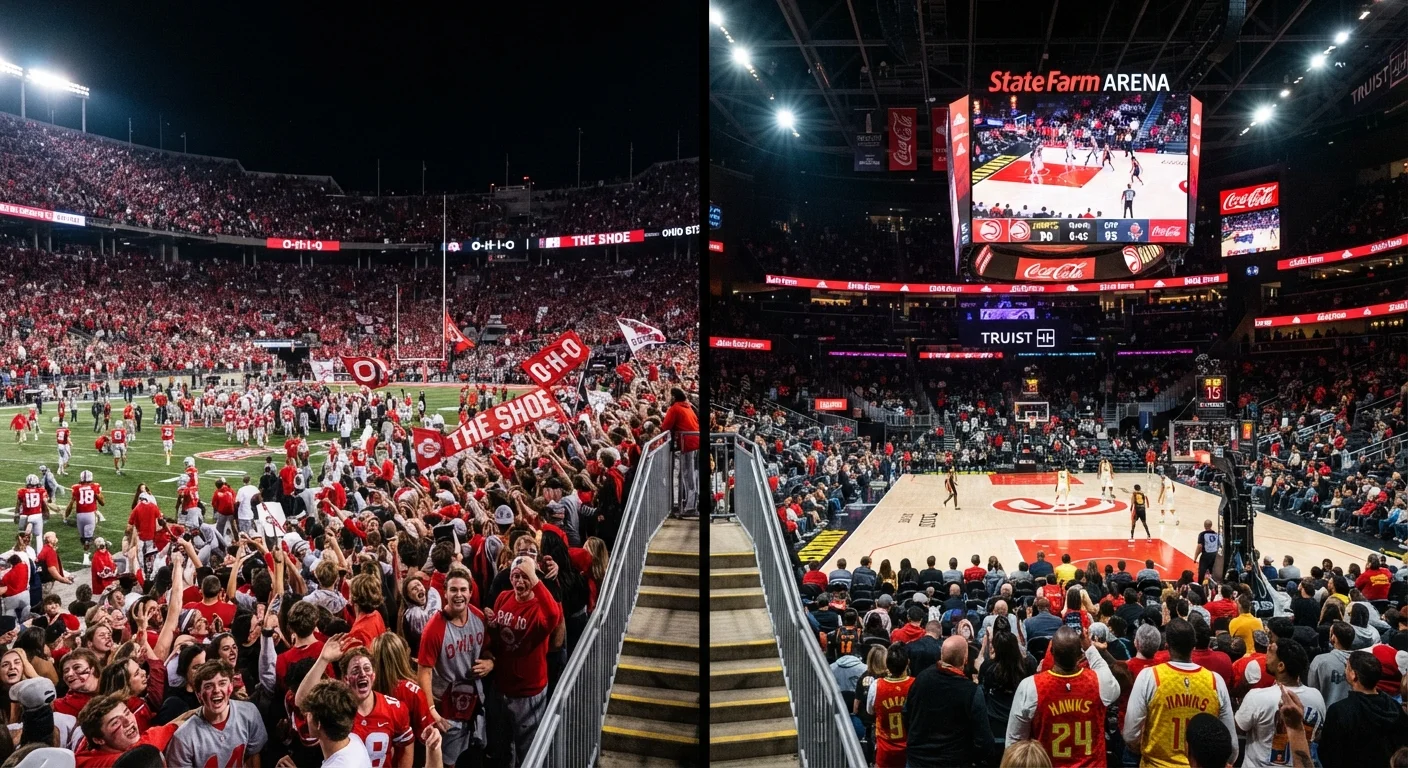
The tension here mirrors what happens in any culture when established norms meet new participants who bring different values. As fan culture varies across major American sports leagues, so too does the internal player culture within each sport.
MLB itself has leaned into the shift commercially, featuring highlight-reel celebrations in promotional campaigns. Yet many veteran players and managers still bristle at what they view as a lack of professionalism.
Why These Rules Still Matter - and Where They're Headed
The persistence of baseball's unwritten code reflects something deeper than tradition for its own sake. Sports, like any social institution, need shared norms to function well - and not every situation can be anticipated in a rulebook. Much like how online community norms vary based on shared values, baseball's informal rules depend on widespread buy-in to have any force.
When violations occur - or when players simply disagree about whether a violation happened - the result is often a benches-clearing incident, a heated post-game comment, or a retaliatory pitch. These moments can define rivalries and linger in clubhouse memory for seasons.
At the same time, baseball's rulebook itself continues to evolve. The sport has added regulations around pace of play, shift restrictions, and other structural changes in recent years. Some analysts argue that as the written rules become more comprehensive, the informal code may gradually shrink in scope - covering only the most foundational questions of sportsmanship rather than every moment of in-game expression.
For now, the unwritten rules remain central to how the game is played and understood. They're not an obstacle to enjoying baseball - they're part of what gives the sport its distinct character among America's major professional leagues. Understanding them helps fans appreciate why certain moments ignite controversy and why players sometimes respond to events that look routine from the outside.