
What We Mean by Anonymity Online
Anonymity online isn't one thing - it exists on a spectrum. At one end, some platforms let anyone post without creating an account at all. In the middle, most platforms allow pseudonymous accounts: you pick a username and no one needs to know your real name. At the far end, verified identity systems - like those used by some financial or government services - require proof of who you are before you can participate.
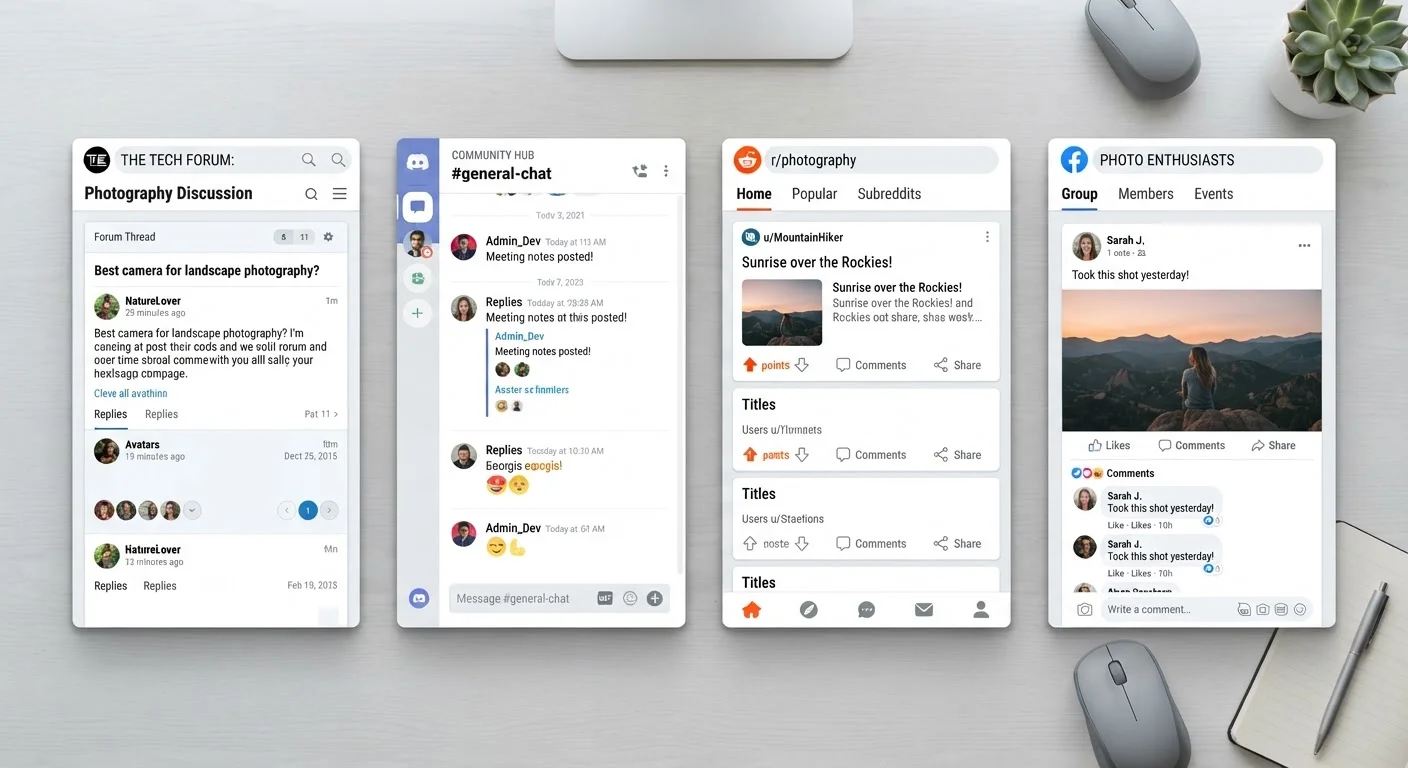
Most everyday Americans interact somewhere in the middle. You might use a username on Reddit, a handle on a forum, or a screen name in a gaming community. That pseudonymity isn't the same as true anonymity: the platform still knows your IP address, device type, and often your email. What you're really controlling is how much of your identity is visible to other users, not to the platform itself.
For a closer look at what anonymization actually does at a technical level, see how anonymization differs from encryption.
Pseudonymity vs. True Anonymity
Most online platforms offer pseudonymity - a username that isn't your real name - not true anonymity. The distinction matters: pseudonymous accounts still leave a data trail with the platform. True anonymity requires additional steps like using Tor or a VPN, and even then, it's not guaranteed. Understanding which one a platform actually provides helps set realistic expectations about your privacy.
The Real Advantages of Anonymous Participation
Anonymity serves legitimate, important purposes that are easy to overlook when the conversation focuses on bad actors.
Protects vulnerable users from real-world retaliation
People facing domestic situations, political persecution, or social stigma can participate without fear that their online activity will be traced back to them in harmful ways.
Encourages honest, uninhibited expression
Users who would self-censor under their real names often share more candid opinions, personal experiences, or creative work when identity isn't attached.
Levels the playing field between participants
Without visible credentials, race, gender, or professional status, the quality of an argument matters more than the status of the person making it.
Enables access to sensitive support communities
Mental health forums, addiction recovery groups, and LGBTQ+ spaces often depend on anonymity to give members the safety they need to be open.
Perhaps the most significant benefit is lowering the personal cost of participation. People who belong to stigmatized groups, hold unpopular opinions, or fear professional consequences for speaking publicly can contribute to conversations they'd otherwise skip entirely. Whistleblowers, abuse survivors, and people questioning their identity often rely on anonymous or pseudonymous spaces to find community and support.
Anonymity also shifts focus toward ideas rather than credentials. When no one knows your job title or zip code, arguments tend to stand or fall on their own merits - not on who's making them.
The Real Disadvantages of Anonymous Participation
The same features that protect vulnerable participants can be exploited to cause harm without consequence.
Reduces accountability for harmful behavior
When there are no real-world consequences attached to an account, some users are more likely to harass, troll, or spread false information than they would be under their real name.
Enables coordinated manipulation and sockpuppeting
Anonymous platforms make it easy to run multiple accounts, amplify fringe views artificially, or impersonate many independent users when it's really one person or a small group.
Undermines trust in information quality
Readers tend to discount anonymous claims, which means even accurate, well-reasoned anonymous contributions can be dismissed more easily than they deserve.
Harder to build genuine community over time
Persistent identity helps communities develop trust and shared history; high-turnover anonymous spaces often feel more chaotic and less invested.
Platform-level anonymity is rarely complete
Most platforms retain metadata - IP addresses, device fingerprints, login timestamps - meaning users may have less privacy than they assume, especially in legal contexts.
Platform moderation becomes significantly harder when bad actors can create new accounts after being banned. This is sometimes called the sockpuppet problem - one person running multiple anonymous accounts to amplify a viewpoint or harass a target. Anonymous platforms also tend to attract more extreme content because the social cost of posting something offensive is near zero.
There's also a trust deficit. Research consistently shows that people are more skeptical of anonymous claims, which can undermine even well-intentioned contributions. For an honest comparison of how these dynamics play out when you use your real name versus a pseudonym, see our breakdown of the tradeoffs.
41%
Americans who have experienced online harassment
According to Pew Research Center survey data, a substantial share of U.S. adults report being targets of online harassment, with anonymity frequently cited as a factor that enables it.
3 in 10
U.S. adults who hide their views to avoid social backlash
Pew Research Center has found that a significant portion of Americans self-censor online - a dynamic that anonymity can help counter.
How Platforms Try to Strike a Balance
Most platforms have settled on hybrid approaches rather than full anonymity or full verification. Common strategies include:
- Email-verified accounts - reduces throwaway accounts without exposing real names publicly
- Karma or reputation systems - ties posting privileges to account history, creating soft accountability
- Tiered anonymity - some communities require verified identity for high-stakes actions (selling goods, voting in polls) while allowing pseudonymity elsewhere
- User reporting and moderation - relies on community members to flag misuse rather than identity verification
None of these fully solves the underlying tension. Each approach shifts the tradeoff rather than eliminating it. If you're setting up a new account and thinking carefully about your privacy from the start, our privacy checklist for new platform sign-ups walks through what to consider before you share anything.
Understanding these tradeoffs is part of being a more informed participant across any online space - which is a core theme in our broader guide to online participation.