The Basic Mechanics of Sanctions
At their core, sanctions work by cutting off access to something valuable - money, markets, technology, or the ability to travel freely. When a government wants to compel another actor to change course, sanctions offer a middle path between diplomatic protest and armed conflict.
The most common forms include:
- Trade restrictions: Bans or limits on importing and exporting specific goods, such as weapons, oil, or semiconductors.
- Asset freezes: Blocking funds or property that the target holds in foreign financial institutions.
- Travel bans: Prohibiting designated individuals from entering the sanctioning country.
- Financial exclusions: Cutting off access to international banking systems, such as the SWIFT interbank messaging network.
These measures are enforced domestically - meaning U.S. companies and banks, for example, must comply with U.S. sanctions law or face severe legal penalties. That extraterritorial reach gives major economies like the United States and the European Union significant leverage even over transactions happening elsewhere in the world.
Sanctions sit alongside diplomacy and military force as the key instruments nations use when responding to international crises.
Who Imposes Sanctions - and on Whom
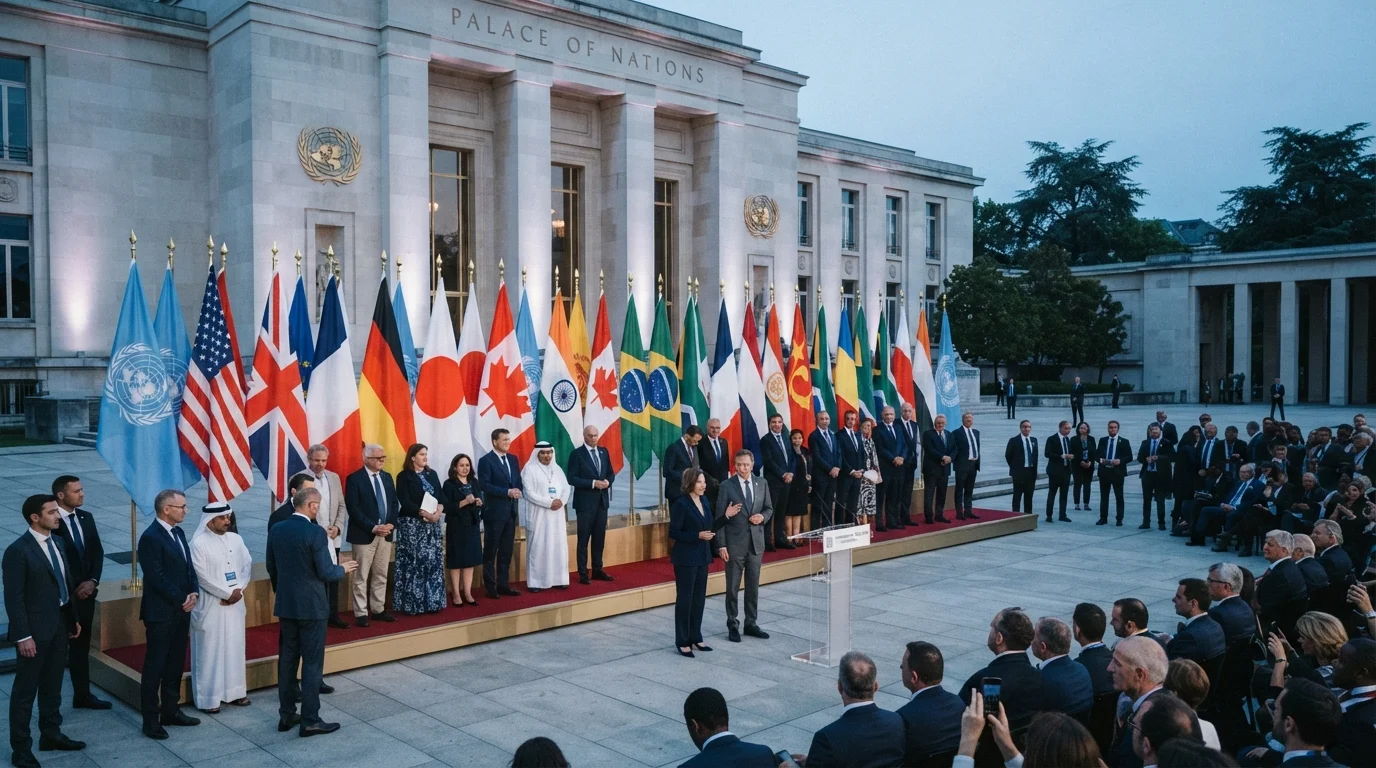
The United States is the most prolific user of sanctions globally, administering them through the Treasury Department's Office of Foreign Assets Control (OFAC). The European Union coordinates member-state sanctions through its Common Foreign and Security Policy framework. The United Nations Security Council can authorize sanctions that carry binding international legal weight - though permanent members (the U.S., Russia, China, France, and the UK) each hold veto power, which can block action.
Targets range widely. A sanctioning body might designate an entire country - as the U.S. has done with Cuba, Iran, and North Korea - or focus narrowly on specific individuals, such as oligarchs, government officials, or arms dealers. Corporations, banks, and even specific ships or aircraft can also be listed.
~9,400
Active U.S. sanctions designations (individuals and entities)
According to the U.S. Treasury Department's OFAC, the number of active sanctions designations has grown substantially over the past two decades.
~30%
Global oil exports affected by U.S.-led sanctions at peak pressure on Iran
Analysts estimated that U.S. and allied sanctions reduced Iranian crude oil exports by roughly 80% between 2018 and 2019 compared to prior-year levels.
$300B+
Russian sovereign assets frozen following 2022 invasion
G7 nations and the EU froze an estimated $300 billion or more in Russian central bank reserves held in Western financial institutions after February 2022.
Understanding who is doing the sanctioning, and under what legal authority, matters a great deal when interpreting news coverage. For help with related terminology, the glossary of key international news terms offers useful context.
Why Effectiveness Is Complicated
Economists and foreign policy analysts continue to debate how well sanctions actually work. Historical evidence is genuinely mixed. Some attribute South Africa's transition away from apartheid in part to sustained international economic pressure in the 1980s. But comprehensive sanctions on countries like Cuba and North Korea have remained in place for decades without achieving their stated political goals.
“Sanctions are blunt instruments. They can signal resolve and impose costs, but converting economic pain into political change requires a credible diplomatic path alongside the pressure.”
— Richard Nephew, Sanctions policy scholar and former U.S. State Department official
Several factors shape outcomes. Sanctions tend to be more effective when:
- A broad coalition of countries participates, limiting the target's ability to find alternative trading partners.
- The economic pressure is significant relative to the target's overall economy.
- Clear, achievable conditions for lifting sanctions are communicated.
Conversely, when major trading partners - such as China or Russia - do not participate, the target can often route around restrictions. Shell companies, cryptocurrency, and third-country intermediaries are among the evasion methods that reduce real-world impact.
There is also a persistent humanitarian tension: broad economic sanctions can cause significant hardship for ordinary citizens who have no influence over their government's policies, while elites find ways to insulate themselves. This concern has driven international practice toward more targeted "smart sanctions" aimed at decision-makers specifically.
For a broader look at how sanctions fit within the full toolkit of international crisis response, see our guide to global governance institutions.