
Why These Four Leagues Stand Apart
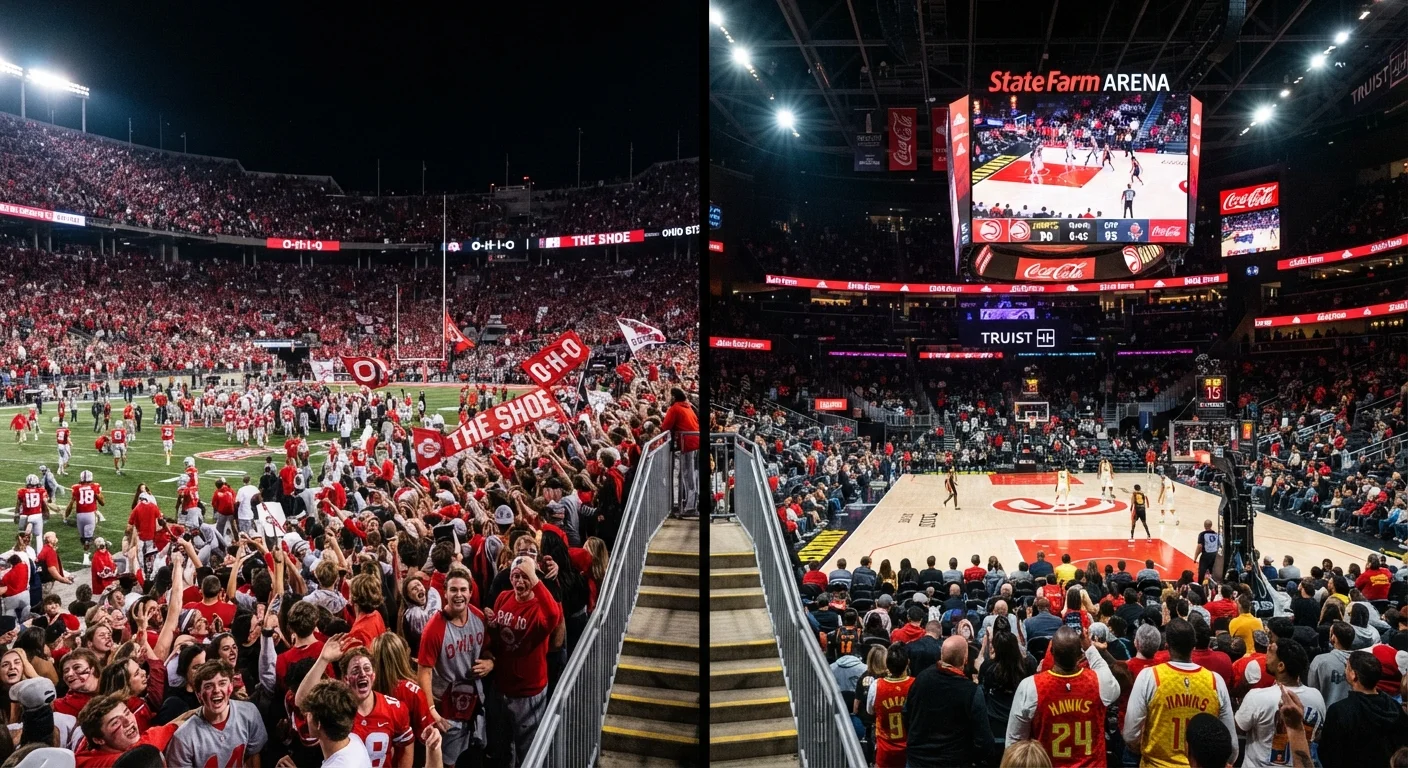
American professional sports is home to dozens of leagues, but four organizations have defined the landscape for decades. The NFL, NBA, MLB, and NHL command the largest arenas, the richest media contracts, and the deepest fan bases in the country. Understanding how each one is structured - and what makes it distinct - is the foundation for following American sports culture at any level.
These leagues aren't just entertainment businesses. They function as cultural institutions, shaping local identities, seasonal rhythms, and national conversations. For a deeper look at how fans connect with these institutions, see our overview of American sports fandom.
~$20B
NFL annual revenue
The NFL generates roughly $20 billion in annual revenue, making it the highest-grossing sports league in the world by most estimates.
162
MLB regular season games per team
Each MLB team plays 162 regular season games, the longest schedule among America's four major professional sports leagues.
113M+
Super Bowl viewers (2024)
Super Bowl LVIII in February 2024 drew over 113 million viewers in the U.S., setting a record for the most-watched U.S. broadcast in television history.
32
Teams in the NHL and NFL
Both the NHL and NFL currently operate with 32 franchises each, while the NBA and MLB each have 30 teams.
NFL: The Undisputed Ratings Juggernaut
The National Football League was founded in 1920 and today comprises 32 franchises divided into two conferences - the AFC and NFC - each with four divisions. The regular season runs 18 weeks, with each team playing 17 games. That relative scarcity of games makes every matchup feel high-stakes, which helps explain why NFL games dominate Sunday television ratings across the country.
The postseason culminates in the Super Bowl, held annually in late January or early February, which is consistently the most-watched single sporting event in the United States. Unlike other leagues, the NFL uses a single-elimination playoff format, meaning one loss ends a team's season immediately.
Following the NFL for the First Time
If you're new to football, focus on your local team's conference and division first. Division rivals play each other twice a season, and those matchups tend to carry the most intensity. Understanding seeding - how teams qualify for the playoffs - becomes much clearer once you track divisional standings week by week.
NBA: Global Reach, Fast-Paced Action
The National Basketball Association was established in 1946 and currently includes 30 teams split between the Eastern and Western Conferences. The regular season spans 82 games per team, running from October through April. The top eight teams from each conference advance to the playoffs, which use a best-of-seven format through four rounds, concluding with the NBA Finals in June.
The NBA has cultivated one of the most globally recognized sports brands, with significant audiences in Europe and Asia. Its stars - many of whom build personal brands as large as the league itself - help drive media attention year-round, even during the offseason.
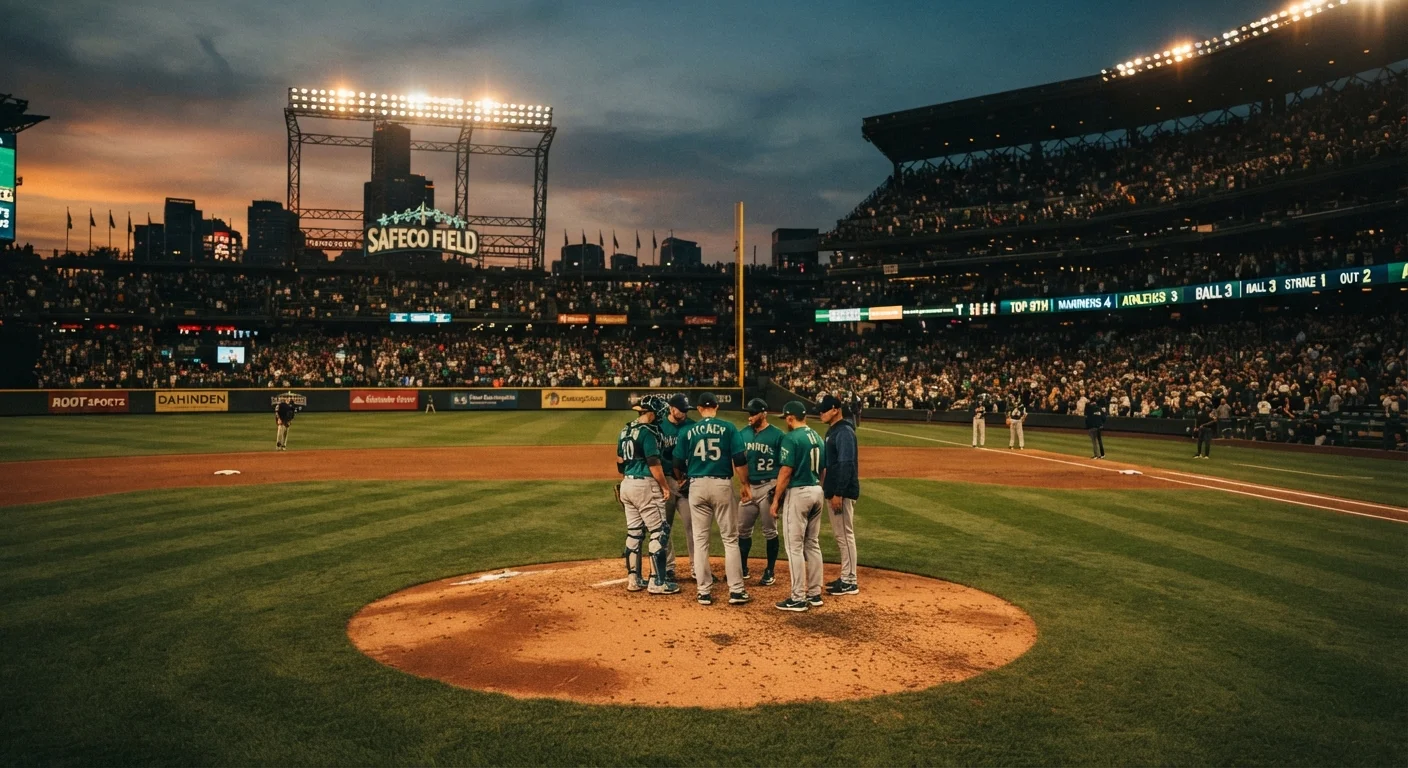
MLB: America's Historical Pastime
The Major League Baseball structure includes 30 teams across the American League and National League. With a 162-game regular season stretching from late March through early October, MLB offers the longest schedule of any major American pro league. That volume creates a statistical richness that makes baseball uniquely suited to deep data analysis and historical comparison.
The MLB postseason includes Wild Card rounds, Division Series, League Championship Series, and finally the World Series - a best-of-seven championship that carries enormous historical weight in American sports culture. Baseball's place in American history is inseparable from broader stories of immigration, civil rights, and regional identity, many of which are explored in landmark moments that shaped US sports history.
NHL: Ice Hockey's Premier Stage
The National Hockey League is the oldest of the four major leagues to feature franchises in both the United States and Canada. Its 32 teams are split into the Eastern and Western Conferences, each divided into two divisions. The regular season runs from October through April, with 82 games per team - matching the NBA's schedule length.
The Stanley Cup Playoffs are widely considered among the most demanding postseasons in professional sports. Teams must win four best-of-seven series - 16 wins total - to claim the Stanley Cup. Hockey culture, particularly in northern U.S. cities and Canadian markets, is intensely community-driven, a dynamic explored in how fan culture differs across the Big Four.
How the Leagues Fit Into the Broader Sports Landscape
While the Big Four dominate professional sports in the U.S., they exist alongside a thriving college athletics system that operates under very different rules and incentives. Understanding what separates pro leagues from college programs - in terms of pay, governance, and structure - adds important context for any sports follower. See our breakdown in college sports vs. professional sports.
For many Americans, following one or more of these leagues is among the most common leisure activities in daily life, woven into weekends, social gatherings, and local community identity. The Big Four aren't simply leagues - they're a framework through which millions of people engage with competition, community, and culture. Explore more about sports and recreation as part of America's most common pastimes.
A family in Green Bay, Wisconsin structures their Sunday schedule around Packers games from September through January, treating game day as a communal tradition.
A Chicago sports fan follows the Bulls through an 82-game NBA season, monitoring standings across a six-month stretch before the playoffs begin.
A sports bar in Boston fills every seat during a Yankees-Red Sox MLB series, with fans referencing decades of rivalry history.
A Pittsburgh neighborhood hosts a Stanley Cup watch party when the Penguins reach the NHL Finals, with fans who have followed the team since childhood.