NFL: Every Game Is an Event
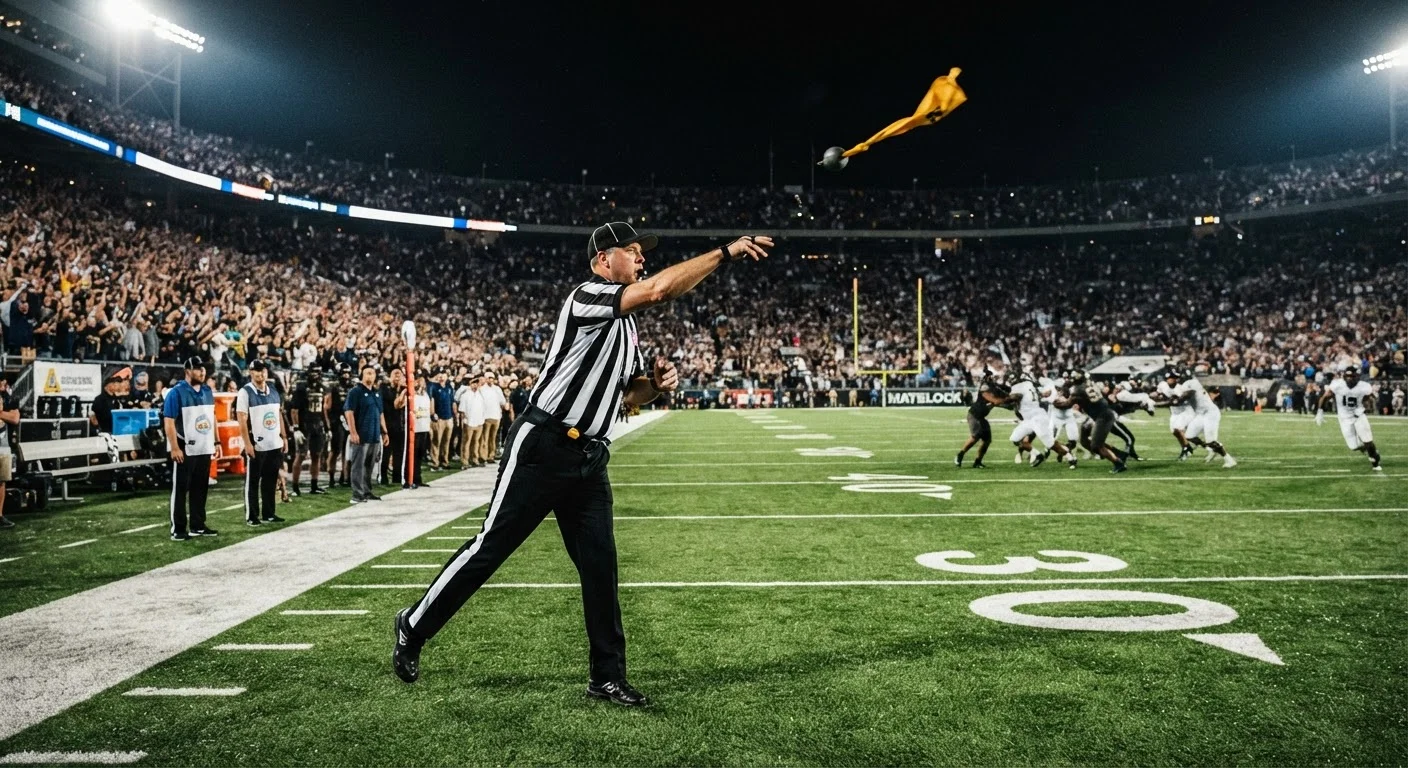
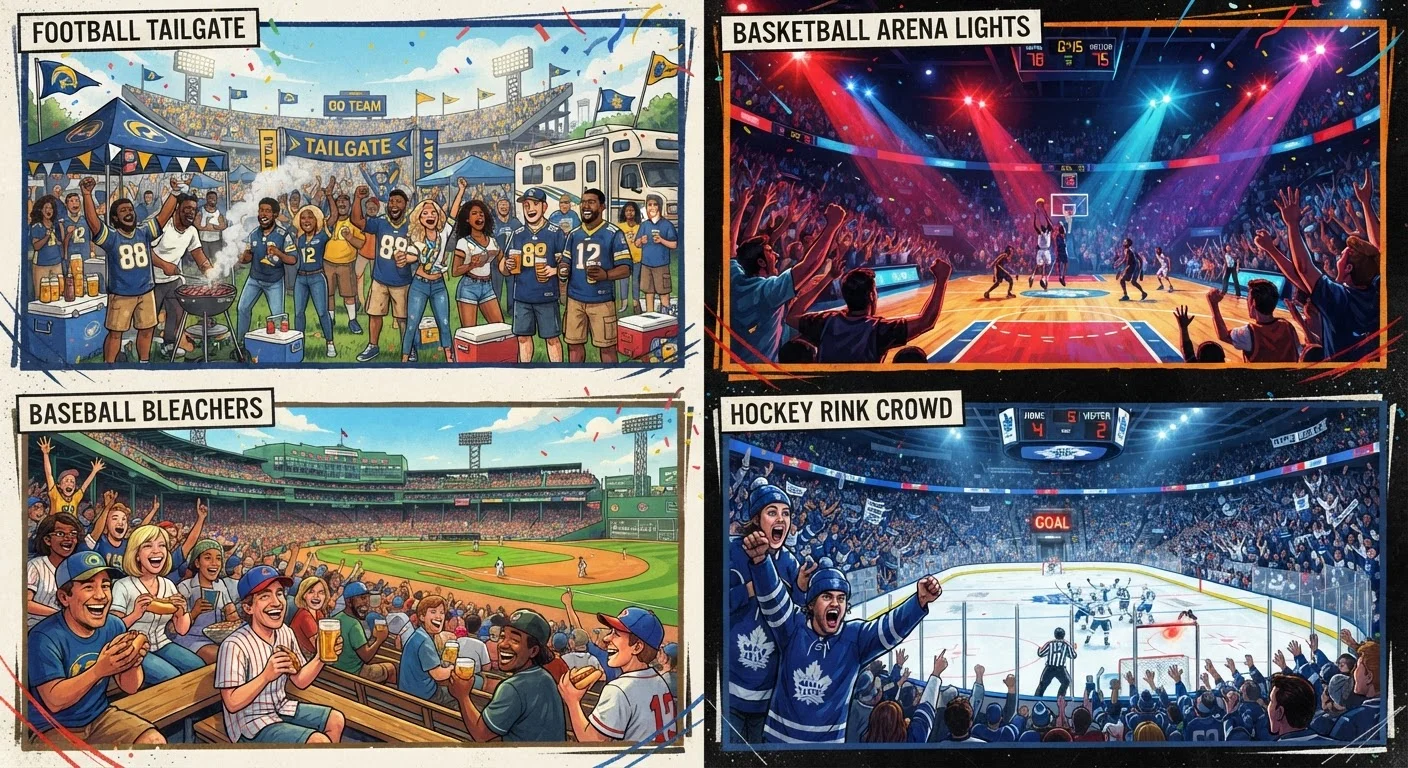
The NFL's 17-game regular season is the shortest among the big four leagues, and that scarcity shapes everything about how fans engage. With fewer games, each Sunday becomes a communal ritual. Tailgating - gathering in stadium parking lots hours before kickoff with food, drinks, and team gear - is arguably the most recognizable tradition in American sports fan culture. Fan traditions like tailgating have grown into full cultural events that rival the game itself.
NFL fandom is also deeply tied to fantasy football, which has expanded the league's reach far beyond regional boundaries. A fan in Phoenix may care intensely about a Green Bay running back's performance simply because of their fantasy roster. This layer of personal investment makes the NFL uniquely cross-regional in ways other leagues are not.
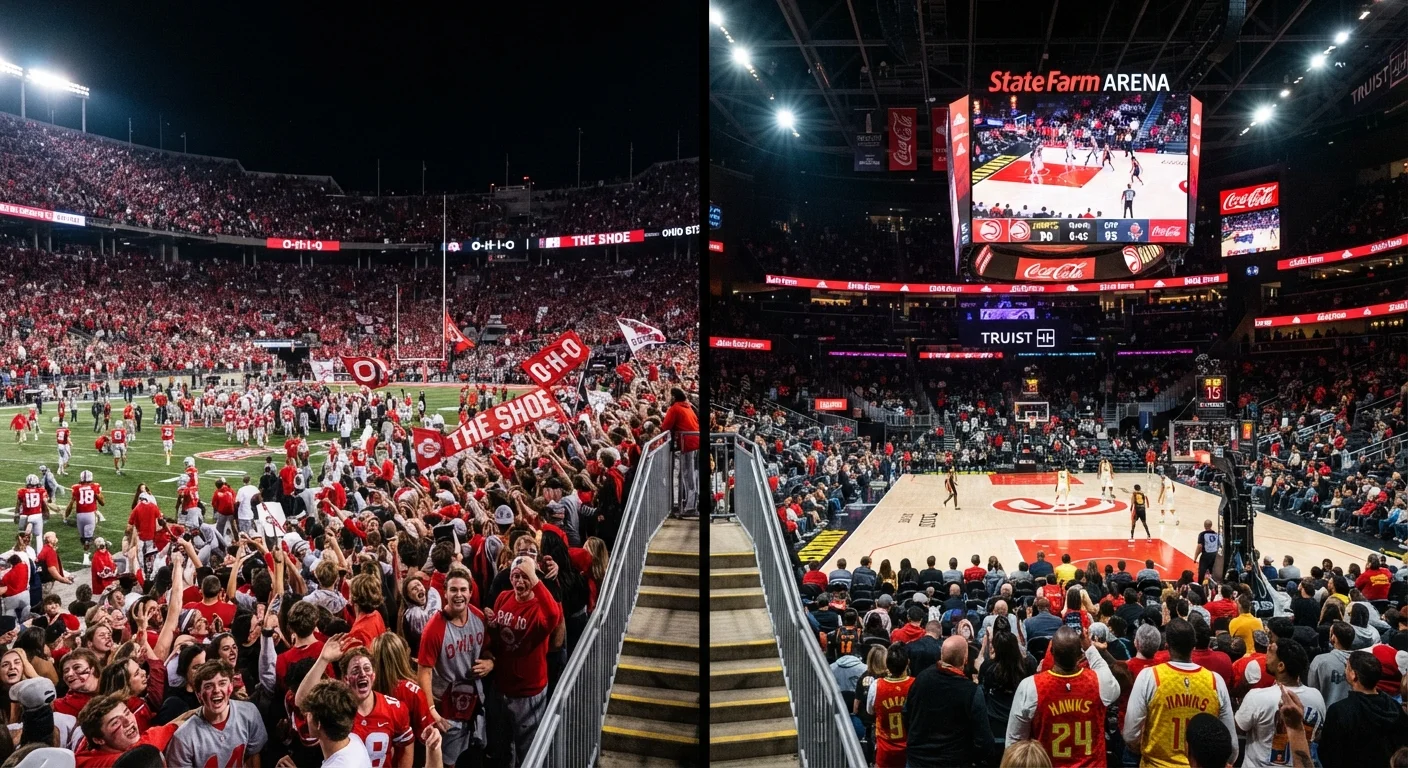
Stadium atmospheres at NFL games tend to be loud, theatrical, and socially broad - drawing fans who attend just a handful of games per year and treat each one as a major occasion.
NBA: Youth Culture and Global Reach
NBA fan culture is shaped by proximity and personality. Arenas are smaller than NFL stadiums, placing fans closer to the court and the players. That intimacy has contributed to a fan culture where individual athletes - their style, statements, and social media presence - carry enormous weight. Following the NBA often means following players as much as teams.
The league's fan base trends younger and is highly active on platforms like X (formerly Twitter), Instagram, and TikTok. Highlight clips circulate within minutes of a big play, and debate culture around NBA players is intense and constant. Online fan communities around NBA teams are among the most active in all of sports.
Celebrity courtside seating - a fixture at arenas in Los Angeles, New York, and Miami - has also made NBA games a crossover entertainment event, blending sports culture with music, fashion, and pop culture in ways the other leagues rarely match.
| NFL | NBA | MLB | NHL | |
|---|---|---|---|---|
| Games per regular season | 17 | 82 | 162 | 82 |
| Stadium/arena atmosphere | Loud, event-driven | Intimate, celebrity-heavy | Relaxed, conversational | Intense, visceral |
| Fan culture emphasis | Tailgating, fantasy | Player personas, social media | Stats, tradition, history | Regional loyalty, grit |
| Social media engagement | Very high (fantasy-driven) | Highest (player-driven) | Moderate | Moderate to high |
| Signature fan tradition | Tailgating | Courtside celebrity culture | Ballpark rituals | Playoff handshake line |
| Typical fan commitment style | Weekly event | Daily/social media | Daily ritual | Season-long journey |
MLB: Patience, History, and Daily Ritual
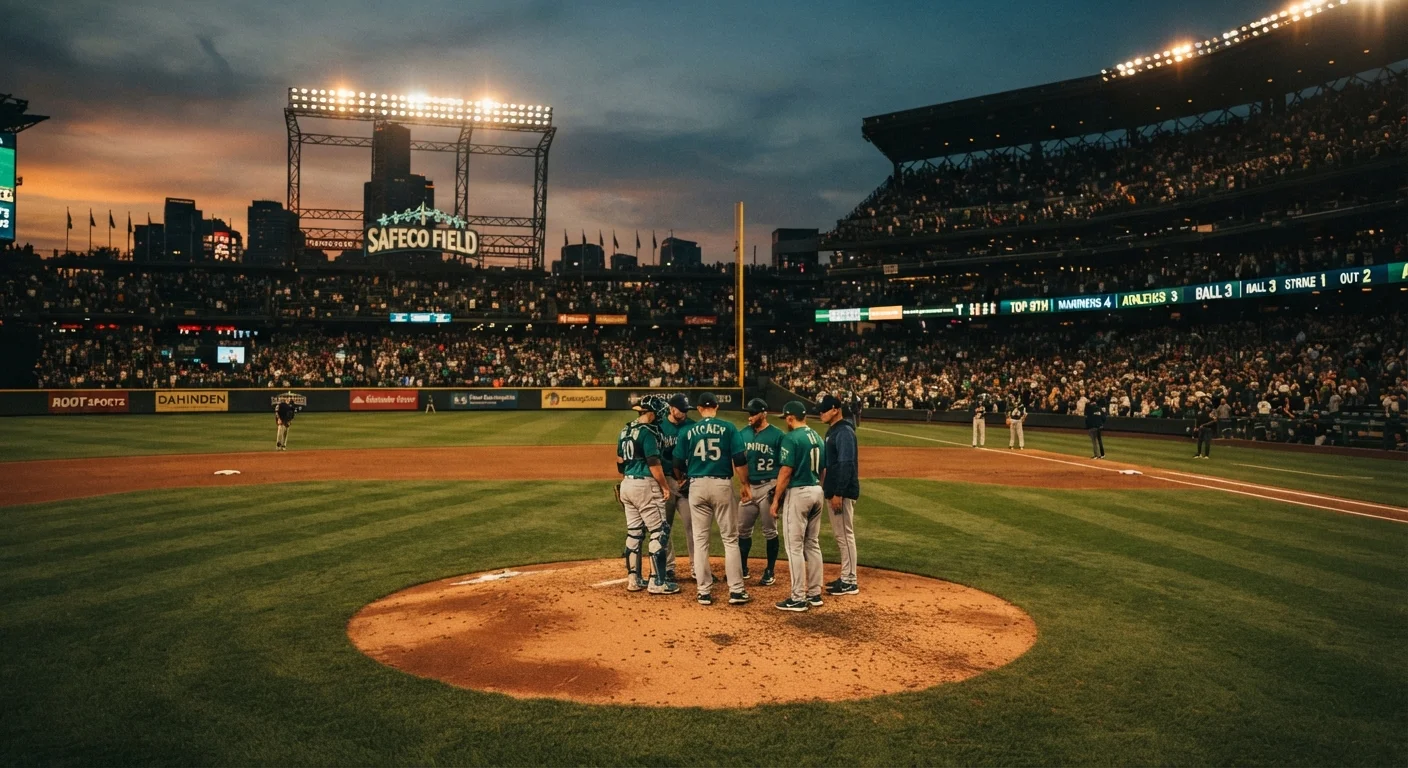
Baseball's 162-game regular season demands a different kind of fandom. Following the MLB means accepting that losses are frequent and that no single game defines a season. This cultivates a fan culture rooted in patience, statistics, and tradition. Many MLB fans track batting averages, pitching ERA, and on-base percentages with the same attention others give financial data.
Ballpark culture has its own distinct character - more relaxed and conversational than football, with room for fathers and daughters to talk between pitches and for fans to score games by hand in a printed program. Baseball's unwritten rules also filter into fan expectations, shaping how crowds react to bat flips, strikeout celebrations, and brushback pitches.
Regional loyalty runs deep in MLB, partly because franchises like the Red Sox, Yankees, Cubs, and Cardinals carry histories stretching back over a century. Many fans inherit allegiances across generations.
New to Following a League? Start with Live Attendance
Reading about fan culture only goes so far. Attending even one live game - in any of the four leagues - reveals norms, rhythms, and crowd dynamics that broadcasts rarely capture. If you're unsure what to expect at your first game, this practical primer on attending a live sporting event covers seating, timing, and how to follow the action.
NHL: Brotherhood, Grit, and the Playoff Handshake
Hockey fan culture occupies a unique space among the big four. The NHL's fan base, while smaller in raw numbers than the NFL or NBA, is known for fierce intensity and tight community bonds. Regional identity matters enormously - Canadian markets treat hockey as a cultural cornerstone, and northern U.S. cities like Detroit, Boston, and Minneapolis carry similarly deep traditions.
The playoff handshake line - where both teams shake hands after a series ends, regardless of how physical or emotional the games were - is one of the most respected traditions in professional sports and reflects a broader culture of hard-nosed respect that NHL fans take pride in. The broader landscape of American sports fandom rarely produces a comparable moment of structured mutual respect.
Live game atmosphere in hockey arenas is often cited as among the loudest and most visceral in sports. The speed of the game, combined with the physical contact allowed under the rules, produces crowd reactions that feel raw and unscripted in a way that distinguishes hockey from more choreographed entertainment experiences.
For a deeper look at how the leagues compare structurally, see The Four Major Pro Sports Leagues in America, Explained.