More Than Just Watching a Game
Ask someone why they care so much about a team that doesn't know they exist, and you'll often get a pause - followed by a story. A grandfather who drove them to their first game. A city that rallied around a championship. A specific player who made them feel like anything was possible. That story is where real fandom lives.
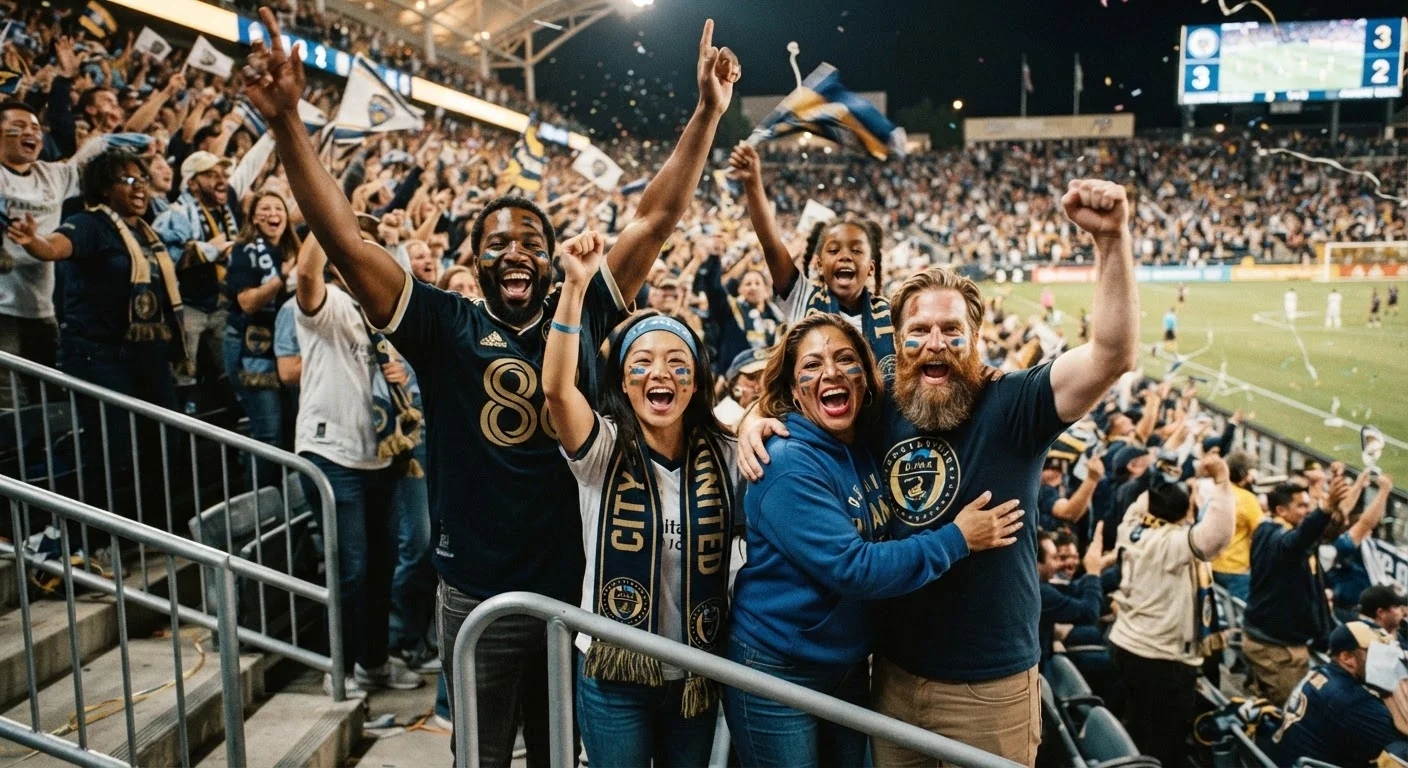
Sports fandom is not simply about watching athletics. It is a complex social and emotional experience built on identity, community, and ritual. For tens of millions of Americans, rooting for a team is one of the few shared cultural experiences that crosses age, class, and political lines. To understand what fandom looks like across America, you have to start with what it actually means to be a fan in the first place.
“Sport has the power to change the world. It has the power to inspire, the power to unite people in a way that little else does.”
— Nelson Mandela, Former President of South Africa and advocate for sport as a social force
The Psychology Behind Rooting for a Team
Sports psychologists describe a phenomenon called BIRGing - Basking In Reflected Glory. When a team wins, fans feel a personal boost in self-esteem and social status, even though they contributed nothing to the outcome. The reverse, CORFing (Cutting Off Reflected Failure), occurs when fans emotionally distance themselves after losses to protect their sense of self.
These aren't quirks - they're predictable human responses rooted in group identity. When you identify with a team, you psychologically merge part of your self-concept with that group. The team's wins become your wins. Its losses sting personally. This is why a stranger wearing your team's jersey can feel like an instant ally, while a rival's fan can feel like an adversary before a single word is exchanged.
~56%
Americans who identify as sports fans
According to a Gallup survey, roughly 56% of U.S. adults describe themselves as sports fans, reflecting widespread cultural engagement with athletics.
1 in 3
Fans who say sports are tied to personal identity
Research from sports psychology studies has consistently found that a significant portion of fans describe team affiliation as a meaningful part of who they are.
482 hours
Estimated annual hours a dedicated NFL fan invests
Estimates based on game length, pre/post-game coverage, and media consumption suggest committed NFL fans spend hundreds of hours per season following the sport.
Fan identity also fulfills a fundamental human need: belonging. Being part of a fan community provides structure, shared purpose, and a ready-made social network - something particularly valuable in an era when community ties in daily life have weakened for many Americans.
Rituals, Loyalty, and What Keeps Fans Coming Back
Rituals are the scaffolding of fandom. The lucky shirt worn on game day. The bar where a group has watched every playoff for a decade. The superstition about what happens when you leave the room mid-play. These behaviors aren't irrational - they're expressions of investment and belonging.
Loyalty is another defining feature. Most committed fans don't abandon a team during a losing stretch. Research on sports fandom consistently finds that long-term fans maintain attachment even through extended periods of poor performance. The bond was forged in something deeper than wins and losses - usually in formative experiences, family tradition, or local pride.
Fan culture also has its own language and norms. Terms like 'homer,' 'bandwagon fan,' and 'fair-weather fan' carry real social weight within communities. If you're new to the terminology, a sports fandom glossary can help decode the vocabulary fans use to define themselves and each other.
Finding Your Fan Identity
If you're newer to following a sport, don't worry about fitting any particular mold. Fandom looks different for everyone - from watching every game to following box scores over morning coffee. Start with what genuinely interests you, and let your level of involvement develop naturally over time.
The Real Investment Fandom Requires
Being a fan has tangible costs - not just emotional ones. Tickets, streaming packages, merchandise, and travel to games add up quickly. But time is often the bigger commitment: following a sport across a full season means hundreds of hours of attention, conversation, and media consumption.
These costs look very different depending on where someone falls on the fandom spectrum. Casual fans spend little and follow loosely. Deeply committed fans may budget significant portions of their income and schedule around their team's calendar. For a clearer picture, the real costs of sports fandom break down what different levels of fan involvement actually require.
None of this makes fandom frivolous. For most fans, the emotional returns - community, joy, shared identity - are genuine and meaningful. It's worth being clear-eyed about the investment, though, especially as the cost of live sports access continues to rise. And if you've ever questioned assumptions about who fans are and how they behave, many common stereotypes about fans don't hold up under scrutiny.