Why Fan Vocabulary Matters
Walking into a sports bar or joining an online fan forum for the first time can feel like stepping into a foreign country. Words like homer, bandwagon, and cap space get thrown around as if everyone already knows what they mean. This glossary closes that gap.
Whether you're following your first season or deepening your engagement with American sports fan culture, having the right vocabulary helps you participate in conversations, understand commentary, and appreciate the community around any sport. Fan language also shifts across leagues - the terms NBA Twitter uses aren't always the same ones you'll hear at a baseball tailgate. For a deeper look at those distinctions, see our piece on how fan culture differs across the NFL, NBA, MLB, and NHL.
Homer
A fan or broadcaster who openly favors their local or preferred team, often at the expense of objectivity. The term is common across all major American sports.
Bandwagon fan
A person who supports a team mainly during periods of success rather than through sustained loyalty. Often used critically, though the label is sometimes overapplied.
Die-hard
A deeply loyal fan who maintains support through winning and losing seasons alike. Die-hards are typically seen as the backbone of any fan base.
Tailgate
A pre-game social gathering held in or near a stadium parking area, featuring food, drinks, and communal celebration. A defining tradition of American football culture.
Box score
A structured statistical summary of a game's key performance numbers. Used across baseball, basketball, football, and hockey to give fans a quick read of what happened.
Trade deadline
The league-mandated date after which no player trades can be made during the regular season. A major event in fan calendars across the NFL, NBA, MLB, and NHL.
Stan
Slang for an intensely devoted fan. As a verb, to stan someone means to support them enthusiastically. Widely used in sports social media communities.
Hot take
A quick, often provocative sports opinion - sometimes made before adequate information is available. Hot takes are a staple of sports media and online fan debate.
GOAT
An acronym for Greatest of All Time. Used in fan debates to compare legendary athletes across eras, particularly in basketball, football, and baseball.
Superfan
A fan whose devotion exceeds typical levels - often attending many games, owning significant memorabilia, or developing a distinctive persona tied to their team.
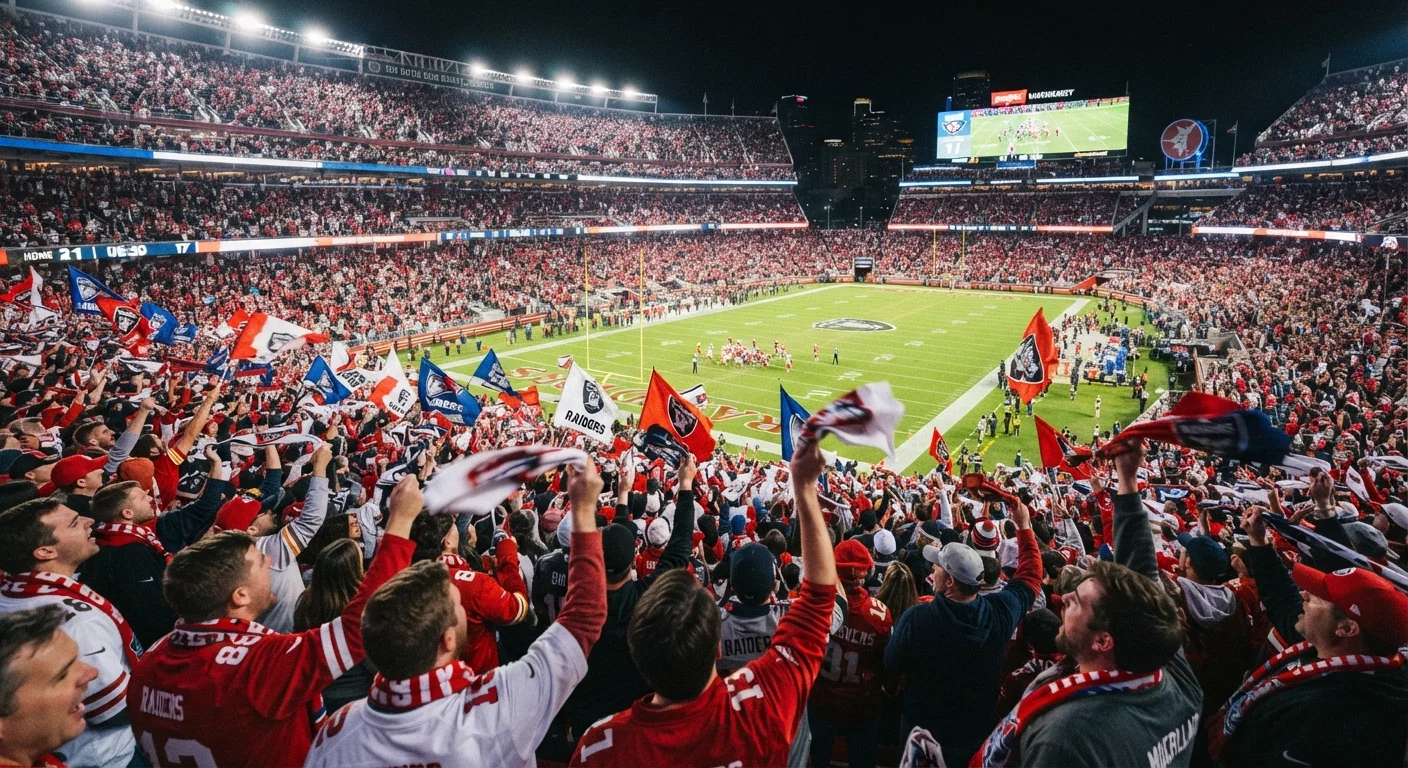
Rally towel
A cloth item given to fans and waved collectively to boost a team's energy during important game moments. One of the most recognizable crowd-participation traditions in American sports.
Fair-weather fan
A fan whose interest rises and falls with a team's performance. Similar to a bandwagon fan, this label is generally used as a mild criticism of inconsistent loyalty.
Core Fan Identity Terms
These words describe the types of fans and how they relate to their teams.
| Leagues with distinct fan vocabularies | NFL, NBA, MLB, NHL, MLS |
| Origin of 'bandwagon fan' | Early 20th century American political slang, later adopted by sports culture |
| Most recognizable rally towel | Pittsburgh Steelers' Terrible Towel, in use since 1975 |
| Common fan community platforms | Reddit, X (Twitter), team forums, Discord servers |
| Primary cost categories for fans | Tickets, merchandise, streaming subscriptions, travel |
Homer - A fan who consistently favors their home team even when that bias is obvious to outsiders. In broadcast media, a homer announcer is one who openly roots for the local side. The term isn't always an insult - it often reflects deep regional loyalty.
Bandwagon fan - Someone who supports a team primarily when that team is winning, rather than through years of loyalty. The term is frequently used as a criticism, though research on fan behavior suggests the reality is more nuanced. Our article on myths about sports fans explores whether bandwagon jumping is really as shallow as it sounds.
Die-hard - A fan who maintains strong loyalty regardless of the team's performance, through losing streaks, rebuilding seasons, and coaching changes alike.
Fair-weather fan - Similar to a bandwagon fan; someone whose enthusiasm tracks closely with a team's record rather than sustained loyalty.
Superfan - A fan whose level of devotion goes beyond the typical - attending nearly every game, owning extensive memorabilia, or becoming recognizable within the fan community. Many superfans develop identities tied to elaborate costumes or rituals that become part of the traditions that shape American sports culture.
Gameday and Stadium Terms
These are the words fans use when talking about the experience of watching sports in person or preparing for it.
Tailgate - A pre-game social gathering, typically in a stadium parking lot, where fans grill food, play games, and build community before kickoff or tip-off. Tailgating is especially prominent in the NFL and college football.
Rally towel - A cloth item distributed to fans and waved in unison to energize a team during critical game moments. The Pittsburgh Steelers' Terrible Towel is one of the most recognized examples in American sports history.
Section, row, and seat - The standard language for locating your position inside a venue. Nosebleeds refer informally to seats at the very top of an arena or stadium.
Box score - A statistical summary of a game's key numbers - points scored, rebounds, strikeouts, and similar figures - typically organized in a grid. Reading a box score is a foundational skill for following major professional sports.
Trade deadline - A league-set cutoff date after which teams cannot complete player trades during the regular season. Deadline days generate enormous fan discussion. For a plain-language explanation of how trades actually work, see why sports trades feel confusing.
Online and Media Fan Culture Terms
Modern fandom extends far beyond stadiums. These terms define how fans interact in digital spaces.
Stan - Originally derived from a popular song about obsessive fandom, stan has become a widely used verb and noun describing intense devotion to a player or team. To stan someone is to support them enthusiastically, sometimes defensively.
Hot take - A provocative or contrarian sports opinion shared quickly, often before all the facts are in. Hot takes fuel debate on social media and sports talk radio.
Goat debate - Short for Greatest of All Time debate. Goat discussions are a staple of sports conversation, comparing legends across eras in sports like basketball, football, and baseball.
Burner account - An anonymous secondary social media profile used by some fans (and reportedly some athletes) to comment without personal accountability.
If you're just getting started with fan culture overall, our first-timer's roadmap to following a professional sports team walks through everything from picking a team to navigating fan communities online.