
Why People Consider Going Fully Offline
The appeal of disconnecting completely from the internet isn't hard to understand. Constant notifications, algorithmically curated feeds, and the blurring of work and personal time have made many people feel like they've lost control of their attention. For some, going fully offline - even briefly - feels like the only way to reclaim it.
This impulse is worth taking seriously. Research on attention and digital media consistently shows that fragmented, interrupt-driven environments make sustained focus harder. The question isn't whether the frustration is valid - it clearly is - but whether complete disconnection is the right solution, and what it actually costs. If you've noticed patterns that concern you, signs your digital routines may be worth revisiting is a useful starting point before making any drastic changes.
What People Gain by Going Offline
There are documented benefits to reducing - or temporarily eliminating - digital connectivity, and they're worth acknowledging honestly.
Improved sustained attention and reduced distraction
Studies on attention restoration suggest that environments low in digital interruption support deeper concentration. Removing the constant pull of notifications allows the brain more uninterrupted processing time.
Lower reported stress and anxiety levels
Several surveys and small-scale studies have found that participants who reduced social media and internet use reported lower stress. The causal relationship is still being studied, but the correlation is consistent across multiple research groups.
Stronger presence in physical relationships
Without devices competing for attention, many people find face-to-face interactions feel more meaningful and less distracted. This is particularly notable in shared activities like meals or outdoor time.
Greater privacy from data collection
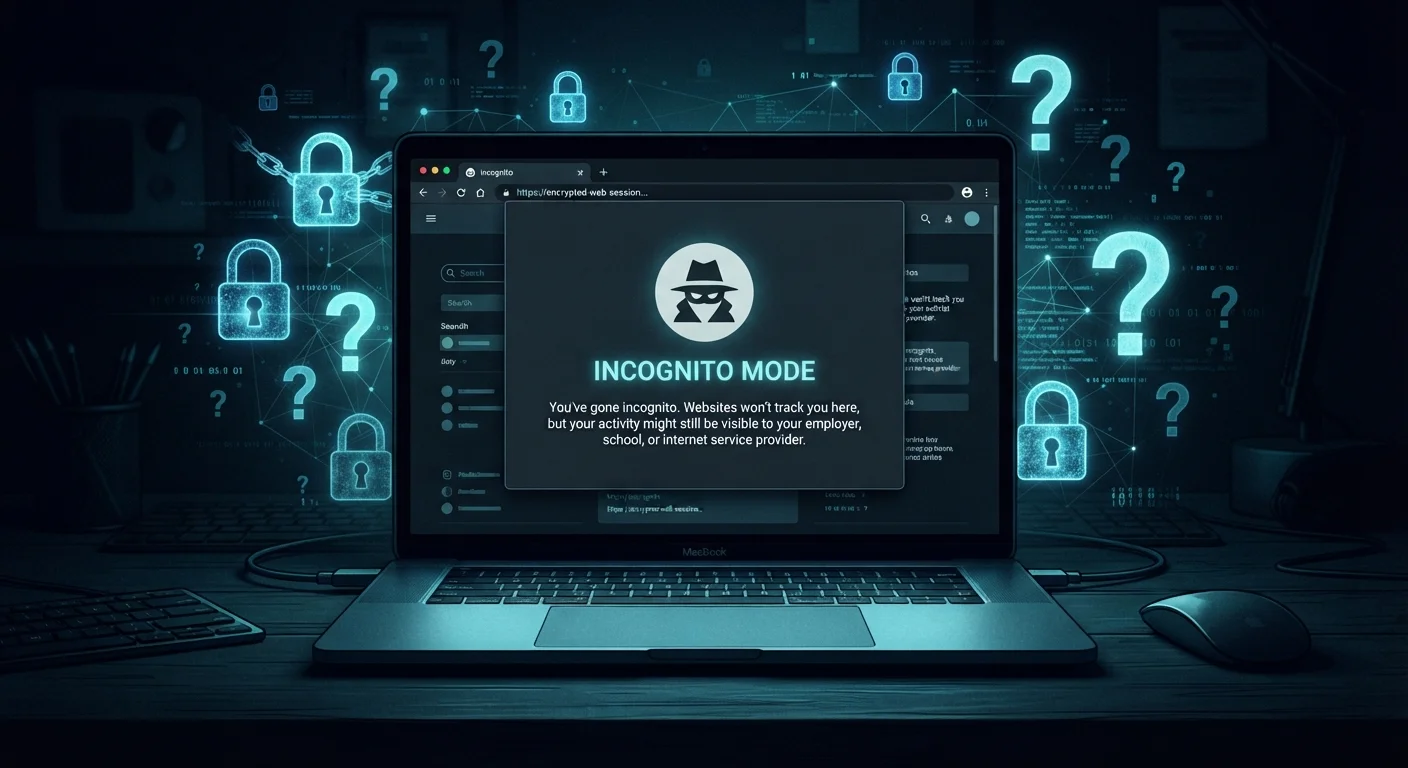
Being offline eliminates many forms of behavioral tracking that occur automatically during internet use. This is relevant for anyone concerned about how their browsing and app data is used - a topic covered more broadly in digital privacy resources.
Reconnection with non-digital hobbies and skills
Offline periods often prompt people to return to reading, handwriting, cooking, or physical crafts. These activities can provide a sense of accomplishment and creative engagement that screen-based tasks don't always offer.
31%
Adults who say they are almost constantly online
According to a 2024 Pew Research Center report on Americans and technology, nearly a third of U.S. adults report being online almost constantly - up from 21% in 2015.
72%
Americans who say tech companies have too much power over daily life
A 2023 Pew Research Center survey found that nearly three-quarters of U.S. adults believe technology companies hold too much sway over everyday life, reflecting widespread unease about digital dependency.
Beyond attention, many people report stronger engagement with physical environments and in-person relationships during offline periods. Without the pull of a device, time spent outdoors, on creative projects, or with family tends to feel less fragmented. Those interested in analog creative practice may find this particularly resonant - the trade-offs between analog and digital creative arts mirror many of the same tensions.
What People Actually Lose
Complete disconnection isn't just an inconvenience - for most Americans, it means losing access to infrastructure that modern life depends on.
Loss of access to essential services
Banking, healthcare scheduling, government services, and utility management have moved substantially online. Going fully offline creates real friction - and in some cases, barriers - to completing routine tasks most Americans handle digitally.
Reduced emergency communication capability
Wireless Emergency Alerts, real-time weather warnings, and digital maps are part of how many people navigate crises. Disconnecting from these systems increases risk, particularly in areas prone to severe weather or natural disaster.
Professional and economic consequences
Most workplaces now operate through email, messaging platforms, and cloud-based tools. Going offline - even temporarily - can affect job performance, career visibility, and professional relationships in ways that are difficult to reverse quickly.
Social isolation and relationship strain
Staying in contact with friends, family, and community increasingly happens through digital channels. Opting out entirely can create distance in relationships, particularly with people in different geographic locations.
Loss of access to health and safety information
From prescription management apps to telehealth platforms, digital tools play a growing role in healthcare access. People managing chronic conditions or remote locations may face disproportionate challenges when disconnected.
Risk of falling behind rapidly changing contexts
News events, community changes, and civic developments move quickly. Extended offline periods can leave people poorly informed about decisions - local elections, public health updates, policy changes - that affect them directly.
Emergency alert systems, telehealth appointments, digital banking, and workplace communication tools all assume connectivity. Someone going fully offline may also lose access to support networks they rely on, including online communities that serve real social and emotional functions. For a grounded look at how those platforms fit into daily life, see sustainable habits for online community participation.
The Middle Ground Most People Actually Need
Full disconnection is rarely the only option - and for most people, it isn't the best one. Approaches like digital minimalism and mindful tech use offer structured ways to reduce the costs of constant connectivity without eliminating its genuine benefits. These philosophies differ meaningfully in practice; digital minimalism versus mindful tech use breaks down how each approach works and what kind of person each suits best.
Full Offline vs. Reduced Use: A Key Distinction
Most of the documented benefits associated with 'going offline' - reduced stress, better focus, more present relationships - have been observed in studies examining reduced use, not total elimination. The two are meaningfully different. Complete disconnection introduces practical costs that reduced or mindful use largely avoids. Before committing to any significant change in digital habits, it's worth identifying which specific problems you're trying to solve, since targeted adjustments often address them more effectively than blanket disconnection.
Smaller, targeted changes - like phone-free mornings - can deliver measurable improvements in focus and mood without the practical costs of full disconnection. The goal for most people isn't zero connectivity; it's more intentional connectivity.