What We Mean by Analog and Digital Creative Arts
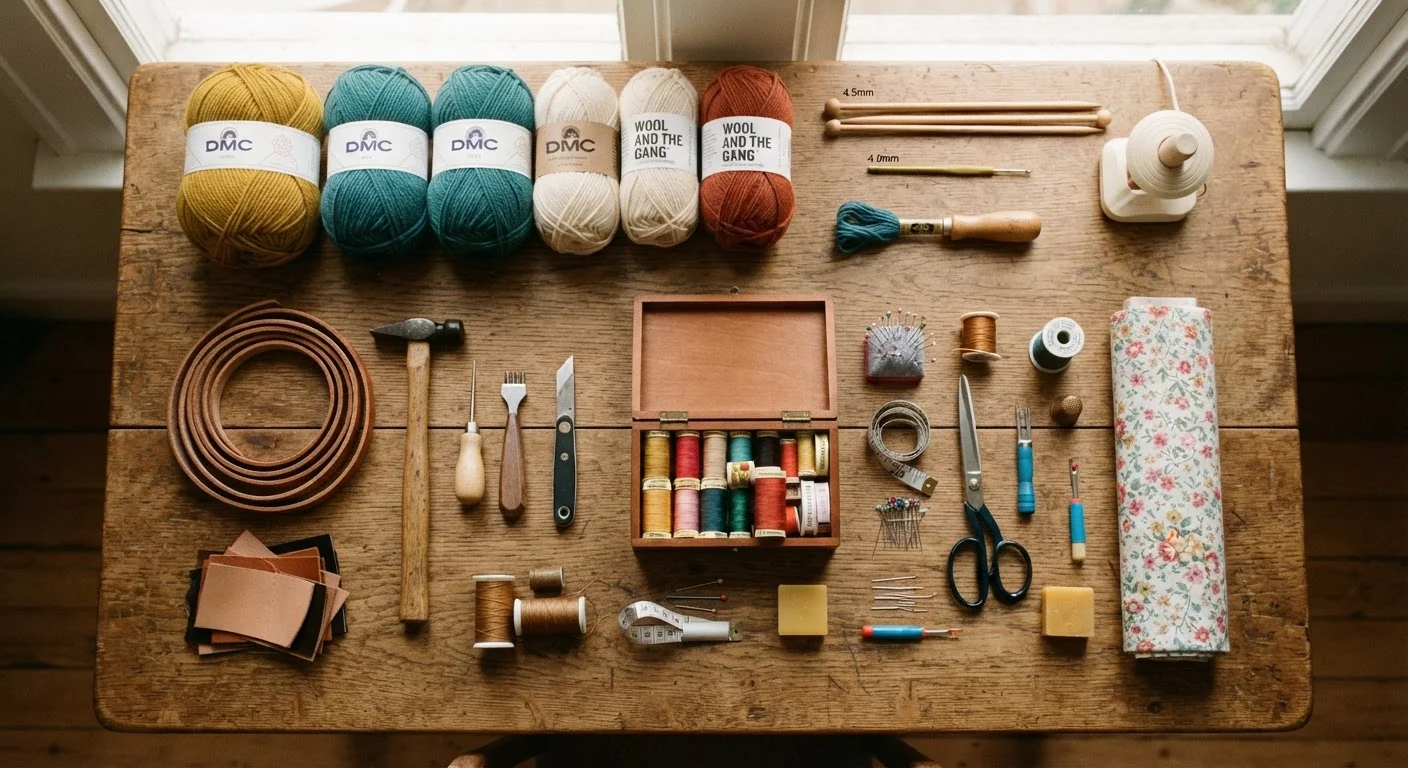
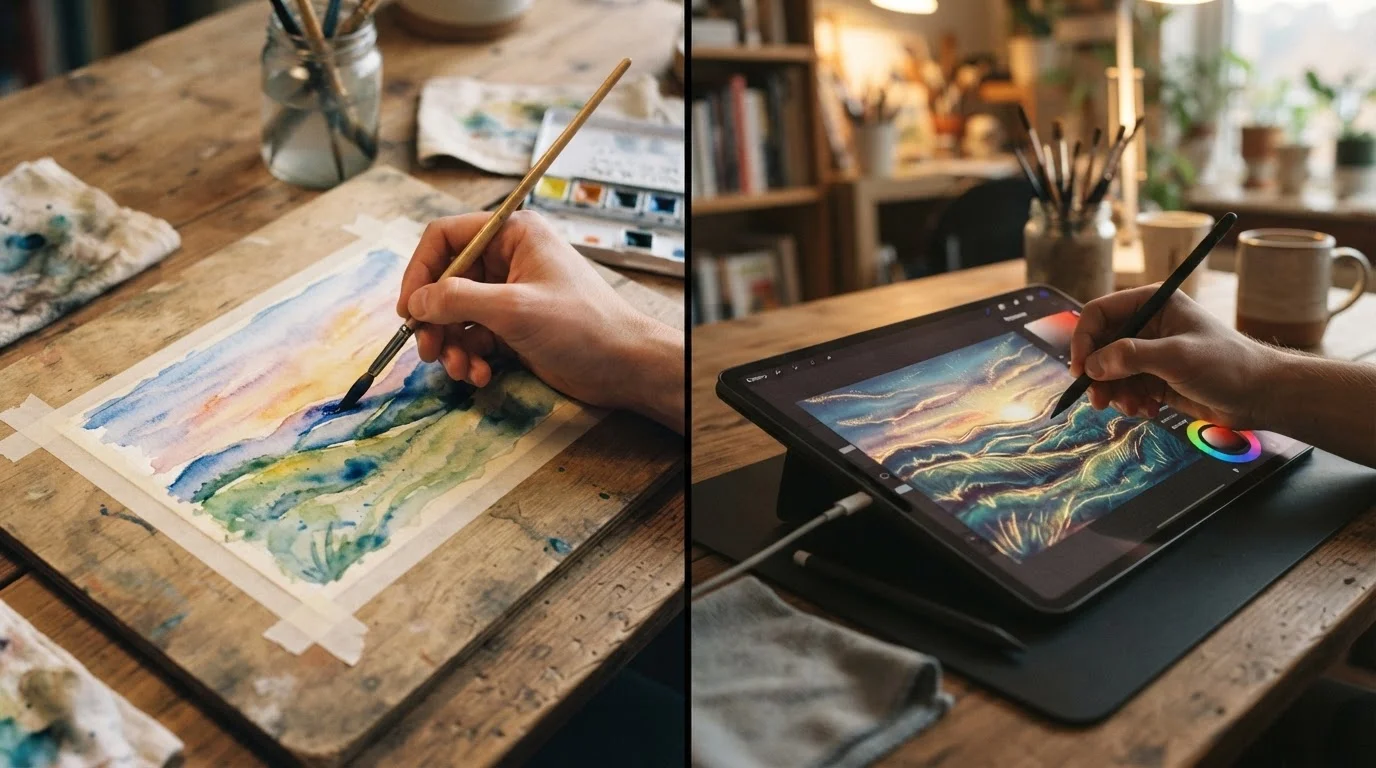
When hobbyists talk about analog creative arts, they typically mean any medium that produces work through physical materials - pencil on paper, watercolor on canvas, ink, charcoal, clay, or linocut printmaking. The result is a tangible object made by direct physical action.
Digital creative arts, by contrast, involve creating work through software on devices such as drawing tablets, iPads, or computers. Programs like Procreate, Adobe Fresco, or Krita simulate brushes, paints, and textures - but everything exists as a file rather than a physical artifact.
Both categories are broad. A watercolorist and a potter are both working analog; an illustrator using a stylus and a 3D sculptor using modeling software are both working digital. If you're just finding your footing, this practical primer on creative arts covers the wider landscape before you narrow your focus.
The Case for Analog: Texture, Permanence, and Process
Many artists describe analog work as having an irreplaceable physical quality. The drag of graphite across rough paper, the unpredictable bleed of watercolor, the resistance of clay - these sensory elements are part of the creative experience itself, not incidental to it.
Analog work also produces originals. A finished painting or drawing is a one-of-a-kind physical object that can be framed, gifted, or sold without needing to be reproduced. For hobbyists motivated by making something real, this matters.
The learning curve in analog tends to be more forgiving of imprecision - happy accidents are part of the tradition. At the same time, mistakes are permanent, which some learners find motivating: it builds decisiveness and commitment to each mark.
| Analog | Digital | |
|---|---|---|
| Upfront cost | Low to moderate (basic supplies) | Moderate to high (hardware + software) |
| Ongoing cost | Recurring (paints, paper, tools) | Low after initial investment |
| Portability | Moderate (bulky materials) | High (tablet fits in a bag) |
| Undoing mistakes | Not possible once made | Unlimited undo available |
| Physical output | Original, one-of-a-kind object | File; must be printed for physical form |
| Tactile experience | Full sensory engagement | Limited; depends on hardware quality |
| Learning resources | Books, classes, in-person workshops | Abundant online tutorials and communities |
The costs, however, accumulate. Paints, paper, brushes, inks, and specialized tools are ongoing expenses. Storage and workspace also become real considerations as a collection of materials grows. Assessing your budget before committing to a medium can save real frustration later.
The Case for Digital: Flexibility, Iteration, and Portability
The most commonly cited advantage of digital tools is the ability to undo. This sounds minor until you realize how fundamentally it changes the learning process - you can experiment more boldly, try approaches you'd never risk on a physical surface, and iterate rapidly without wasting materials.
Digital setups are also highly portable. A tablet and stylus fit in a bag; a full watercolor kit, reference photos, and a drawing board do not. For hobbyists with irregular schedules or limited space, this flexibility is meaningful.
After the upfront cost of hardware and software (which can vary widely), ongoing expenses are low - no replenishing paints or paper. Files are also infinitely duplicable, making it straightforward to share work online or print reproductions.
Try Before You Invest Heavily
If you're unsure which path suits you, start small on both sides before committing significant money. Borrow a friend's tablet for an afternoon, or pick up a basic sketchbook and pencil set to test the feel of analog work. Many public libraries now offer access to digital art software as well. A short exploratory period costs little and can save you from investing in tools that don't fit how you actually like to work.
Digital work connects naturally to online platforms and creative communities. Sharing work, getting feedback, and learning from tutorials are deeply integrated into how digital artists develop their skills. The relationship between creative hobbies and online platforms has genuinely reshaped how people learn and share art.
The trade-off is that digital work requires a screen and electricity, and some artists find the interface - however sophisticated - lacks the physicality they crave. Eye strain and screen fatigue are also real considerations for longer sessions.
Choosing Your Path - or Combining Both
The analog-vs-digital framing can make the choice feel more binary than it needs to be. Many practicing hobbyists work in both modes: sketching thumbnails by hand, refining digitally, or using digital tools for planning and analog for finished pieces.
What matters most when deciding where to start is honest self-assessment. Do you want a physical object at the end? Do you have workspace for supplies? Are you driven by sensory process or iterative experimentation? A candid look at the pros and cons of creative hobbies generally can help frame what you're actually signing up for.
It's also worth noting that the analog-digital distinction doesn't map neatly onto quality or seriousness. As explored in the debate between fine arts and craft, the tools you use say less about the value of your work than the intention and skill you bring to it.