Why New Members Struggle to Find Their Footing
Joining an online community - a forum, subreddit, Discord server, or niche Facebook group - can feel like walking into a party where everyone already knows each other. Most people mean well, but small missteps in the first few days can quietly damage a first impression that takes weeks to rebuild.
The good news: nearly all of these mistakes are avoidable once you know what to look for. Our complete starting guide for new participants covers the mechanics of getting set up, but this article focuses specifically on the errors that trip people up after they've already walked through the door.
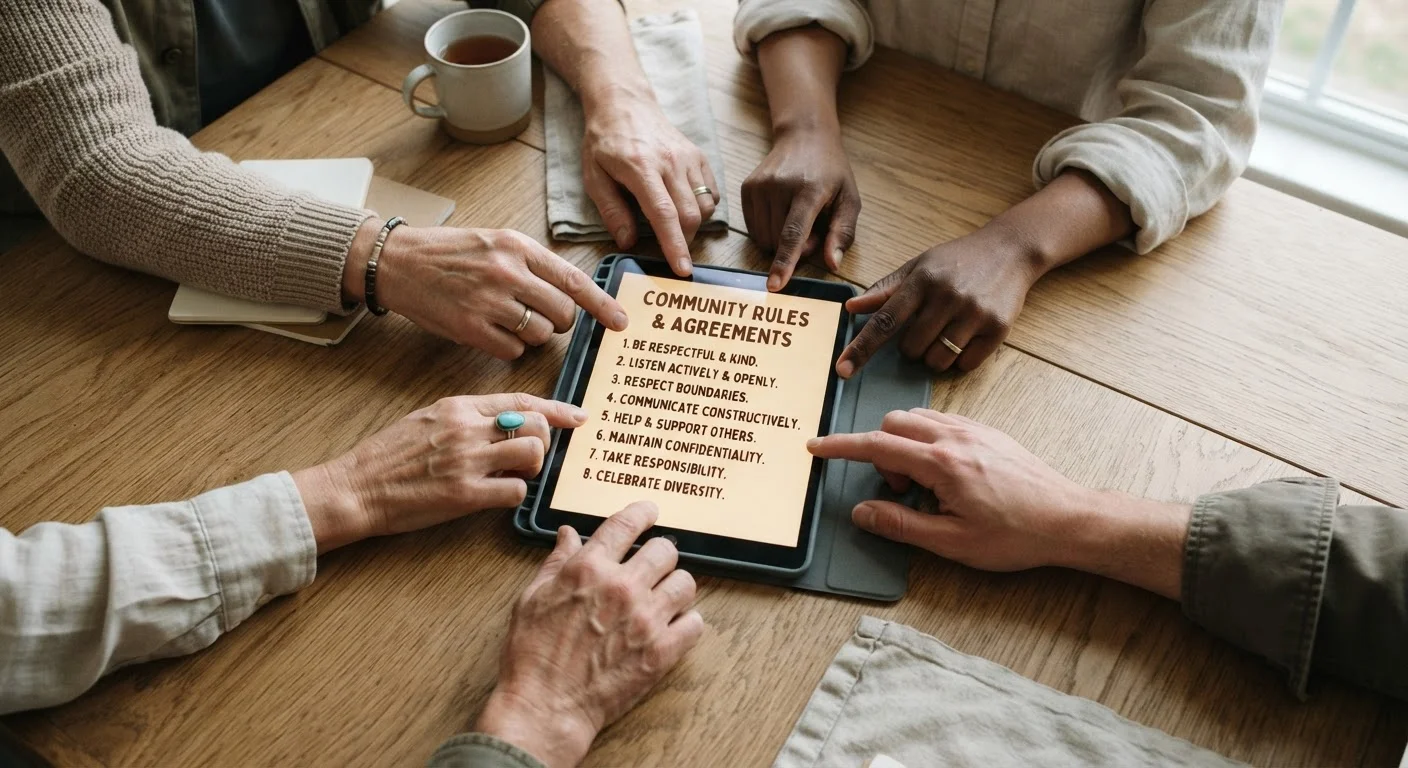
Ignoring the rules, FAQ, or pinned posts entirely before posting.
Why it happens: New members are often eager to participate and assume community rules are generic boilerplate they don't need to read carefully.
Posting promotional content or self-linking without establishing any presence first.
Why it happens: People who have something to share - a blog, a product, a project - sometimes treat communities as free advertising channels without realizing how that lands.
Asking questions that are already answered in pinned posts or the community FAQ.
Why it happens: It's quicker to ask than to search, and new members often don't realize how frequently that question has already been addressed.
Misjudging the community's tone - being too casual in a serious space, or too formal in a laid-back one.
Why it happens: People carry habits from other platforms and assume tone transfers universally.
Treating a disagreement as a debate to be won rather than a conversation to be had.
Why it happens: Online anonymity and the absence of facial cues can make disagreements feel lower-stakes than they are, leading to blunter responses than intended.
Oversharing personal information early on, before understanding who can see it.
Why it happens: Communities can feel intimate quickly, giving new members a false sense of privacy in what is often a public or semi-public space.
The Bigger Picture: Why These Mistakes Matter
Online communities run on trust and shared norms. When new members repeatedly make the same missteps, moderators get fatigued, veteran members become less welcoming, and the overall quality of the space erodes - even when no one intended any harm. Research on online group dynamics consistently shows that early participation patterns shape how a newcomer is perceived long-term.
~90%
Online community members who only read, rarely post
The "1% rule" - a long-observed pattern in online communities - suggests roughly 90% of members consume content without contributing, meaning active posters are highly visible to the whole group.
First 10 posts
When newcomer reputation is largely formed
Community researchers have noted that early interactions disproportionately shape how other members perceive a newcomer, making first posts especially consequential.
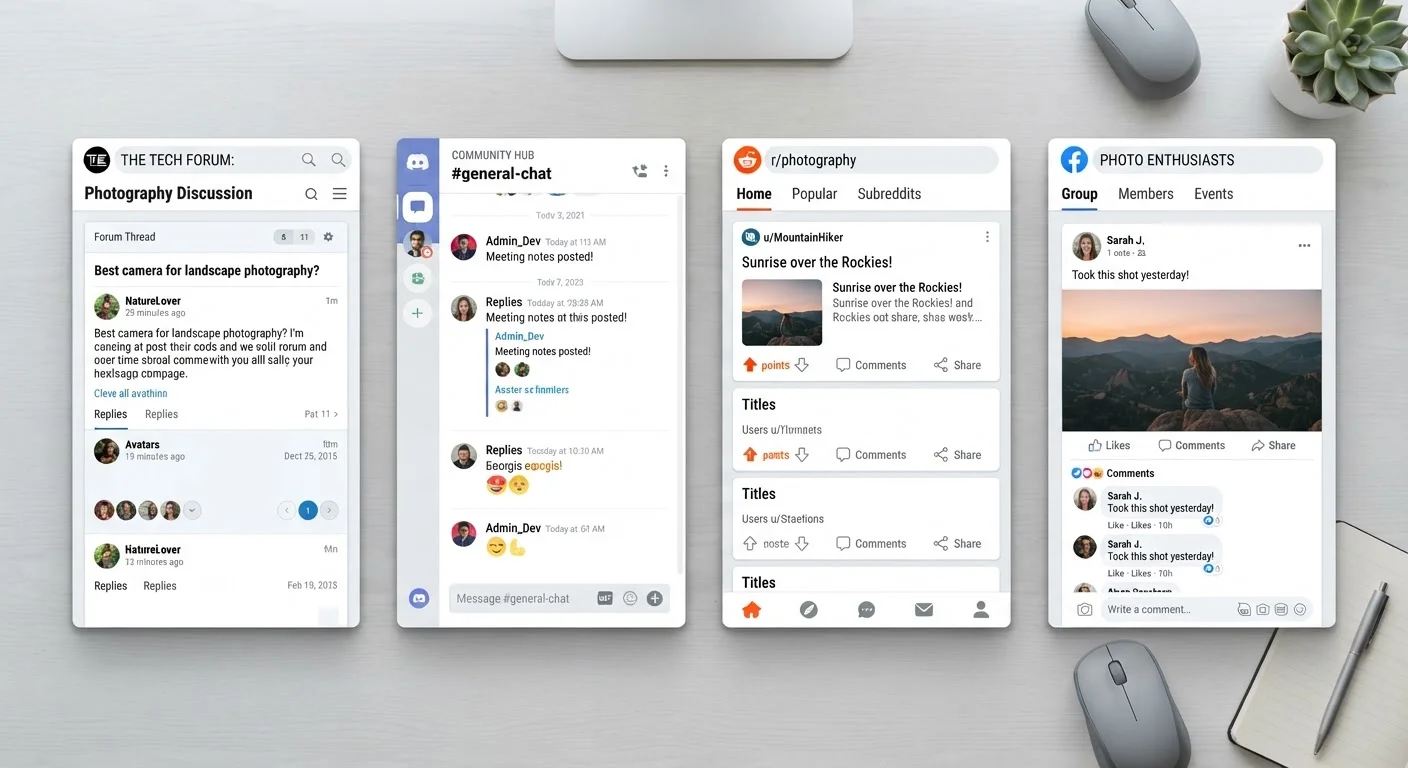
It's also worth understanding that platforms differ significantly. A tight-knit hobby forum operates nothing like a massive subreddit, and a professional Slack workspace has different expectations than a casual Discord. If you've had friction in communities before, good intentions can still backfire in ways you might not immediately recognize.
Taking a few minutes to observe, read pinned posts, and understand what the community values before you post isn't timid - it's the move that experienced community members almost universally recommend. For more on participating effectively long-term, the Online Participation hub is a useful ongoing resource.
One overlooked area is privacy. New members often share more personal detail than a community actually requires. Before you post, it's worth reviewing some digital privacy basics so you understand what information is visible and to whom.
Public Posts Can Outlast Your Membership
Many online communities are indexed by search engines or archived by third-party tools. Even if you later delete a post or leave the group, copies may persist. Be thoughtful about what personal details you include, especially in your earliest posts when you're still learning the community's norms and privacy settings.