Why Well-Meaning Participation Still Goes Wrong
Most people who irritate an online community aren't trying to cause problems. They're enthusiastic, helpful by nature, or simply unaware that a group has norms they haven't learned yet. That gap - between good intent and community expectations - is where most participation mistakes live.
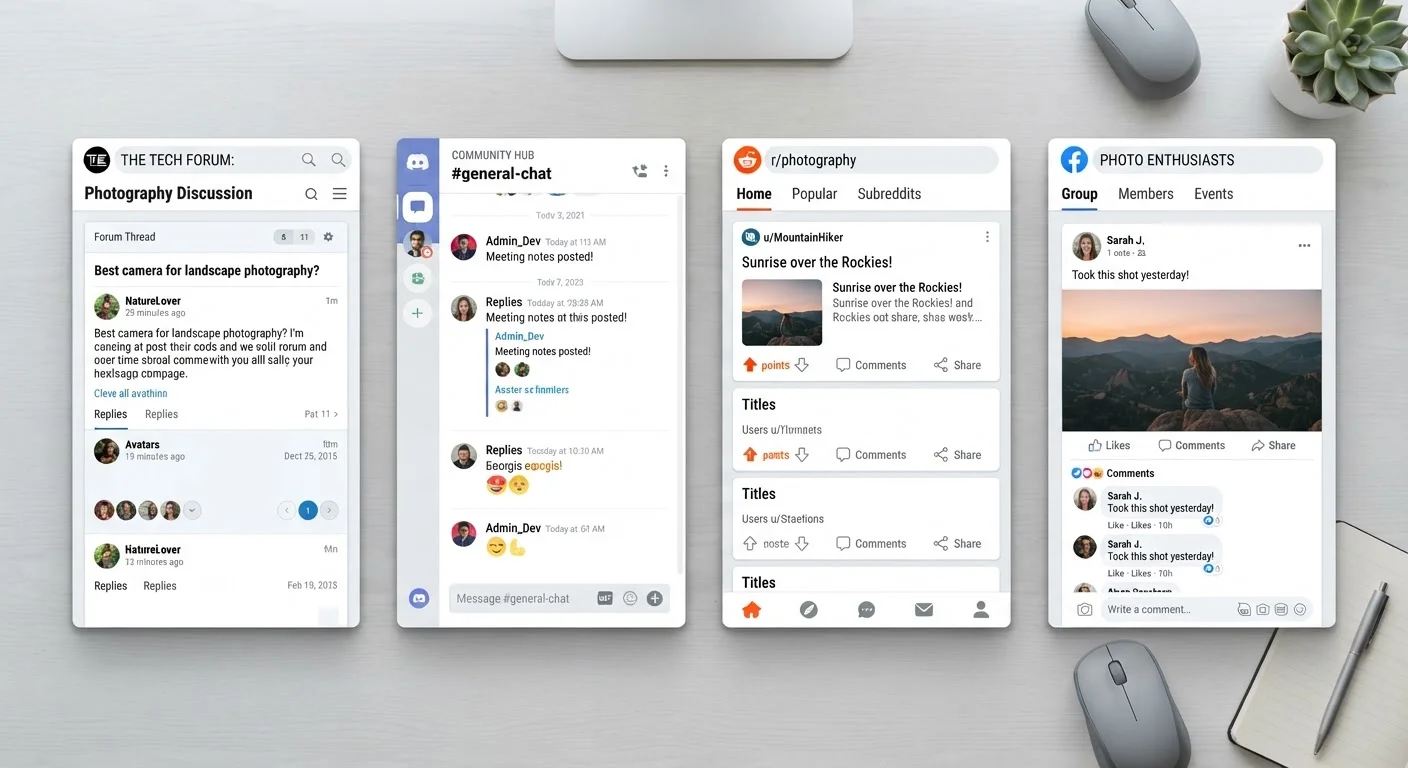
Online communities aren't monolithic. A behavior that's perfectly normal in one group can be considered rude or spammy in another. Reddit's r/homebrewing operates very differently from a private Facebook group for local gardeners, which operates differently again from a Discord server for competitive gamers. Each has its own culture, pace, and tolerance for certain kinds of posts. For a broader look at foundational concepts, the Community Fundamentals hub is a useful starting point.
The good news: these mistakes are almost always correctable. Communities tend to remember consistent behavior over time, not one awkward post. The key is recognizing what went wrong and adjusting without making a big deal of it.
Good Intent Doesn't Guarantee Good Reception
Online communities have their own cultures, histories, and unwritten rules that outsiders can't immediately see. A post that feels helpful to you may read as dismissive, off-topic, or self-serving to established members. Before assuming a negative reaction is unfair, consider that the community may be responding to patterns - not just your specific post.
The Most Common Missteps - and How to Avoid Them
The mistakes below come up repeatedly across community types. They share a common thread: each usually stems from enthusiasm or helpfulness that skipped over the observation phase.
Joining and posting immediately without observing the community first.
Why it happens: New members are often excited and eager to contribute, underestimating how much community culture varies from one group to another.
Promoting your own content, product, or project without building community trust first.
Why it happens: People assume that if their content is genuinely useful, sharing it is inherently welcome - but most communities have strong norms against self-promotion, especially from new accounts.
Offering unsolicited advice or corrections, especially to experienced members.
Why it happens: The impulse to help is genuine, but newcomers may not yet know that someone they're "correcting" is actually a recognized expert in that community.
Hijacking threads by steering conversations toward unrelated topics or personal experiences.
Why it happens: A thread reminds someone of their own situation, and they respond instinctively - not realizing the original poster's need gets buried.
Posting questions that are answered in pinned resources or the community FAQ.
Why it happens: Newcomers often skip reading pinned content, either because they don't notice it or assume their question is unique.
Treating disagreements as personal conflicts instead of differences of opinion.
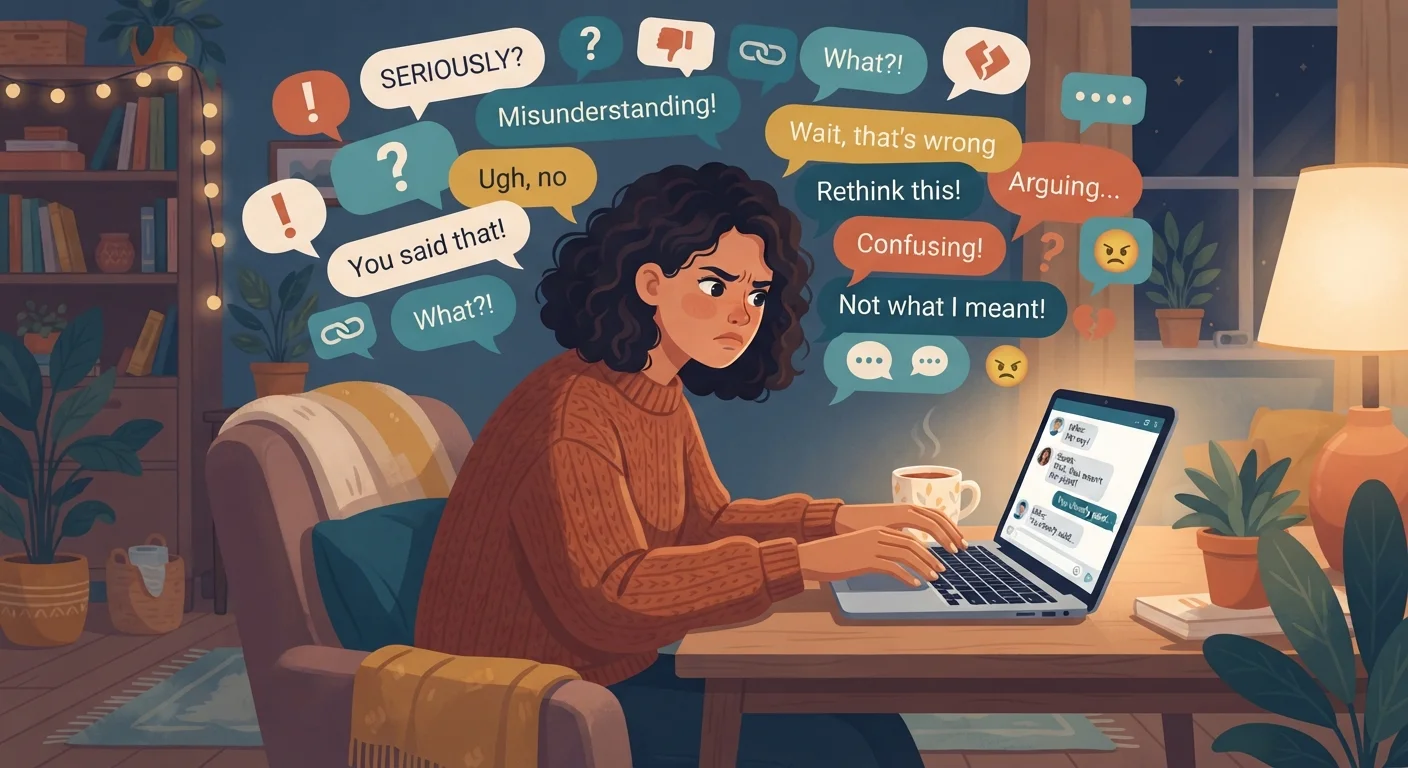
Why it happens: Online text strips out tone and context, making pushback feel more aggressive than it was intended. Newcomers sometimes escalate defensively.
For a deeper look at early-stage errors specific to newcomers, things new members often get wrong covers additional patterns that first-timers run into. And if you're still getting oriented, getting started in your first online community walks through the basics of finding and joining a group that fits.
Course-Correcting Without Making It Worse
If you've already made one of these mistakes, the worst response is usually over-apologizing or explaining yourself at length in the thread. That often draws more attention to the misstep than the original post did.
A simple, brief acknowledgment - if the situation calls for one - is usually enough. Something like "Fair point, I'll check the pinned posts next time" lands better than a lengthy defense. Then let your future behavior do the work. Quietly shift toward more observational participation: upvote good posts, ask genuine questions, and hold off on posting your own content for a while.
~70%
Online community members who mostly lurk rather than post
Research on online participation consistently finds that a large majority of community members consume content without posting, a pattern sometimes called the "90-9-1 rule" in web communities literature.
1 in 3
New members who leave a community within the first week
Community management research suggests early dropout is common, often tied to a poor first interaction or failure to connect with community norms quickly.
It's also worth noting that some communities are more forgiving of new-member mistakes than others. Many have explicit welcome threads or mentorship systems precisely because they expect newcomers to stumble. If you're unsure whether a community is a good fit at all, principles of healthy online community participation can help you assess what a well-functioning group looks like from the inside.