What Separates Indoor and Outdoor Hobbies
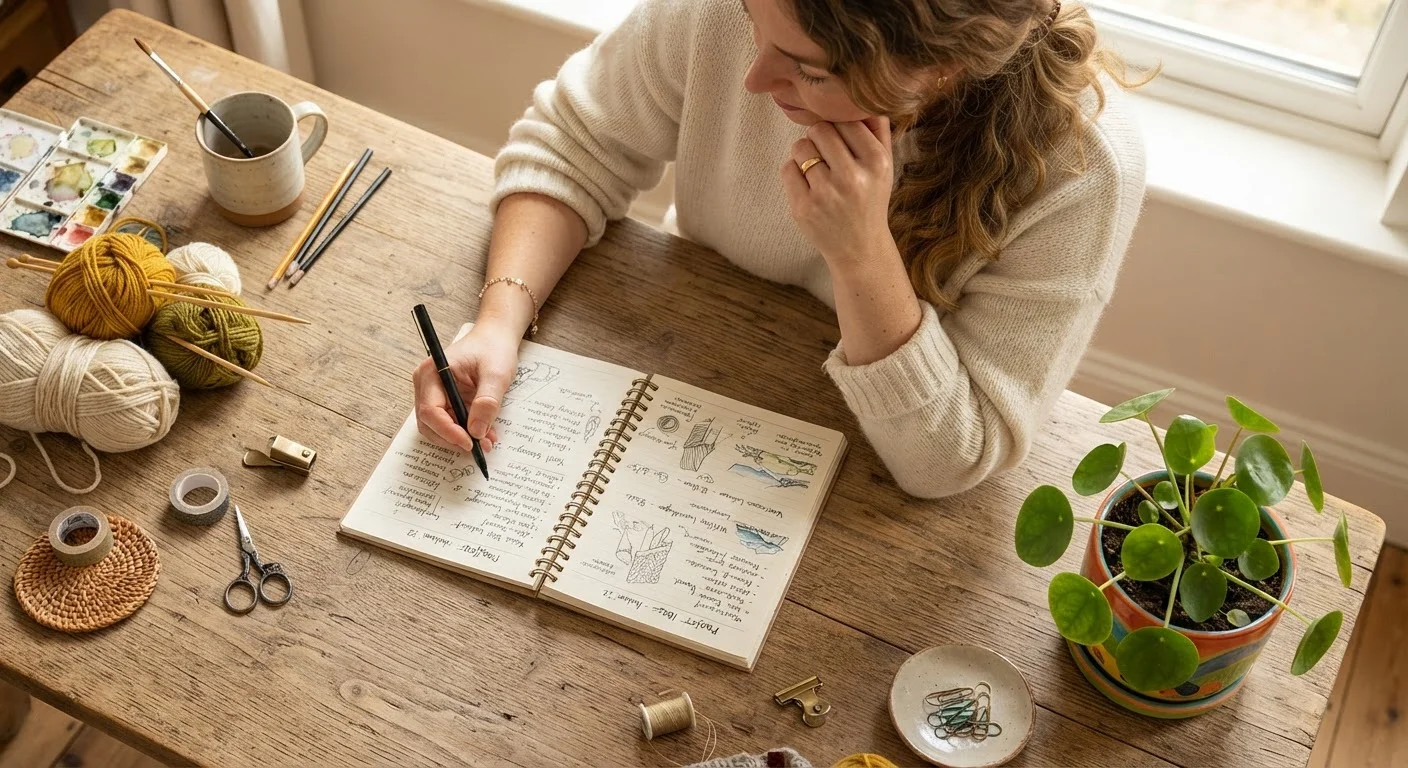
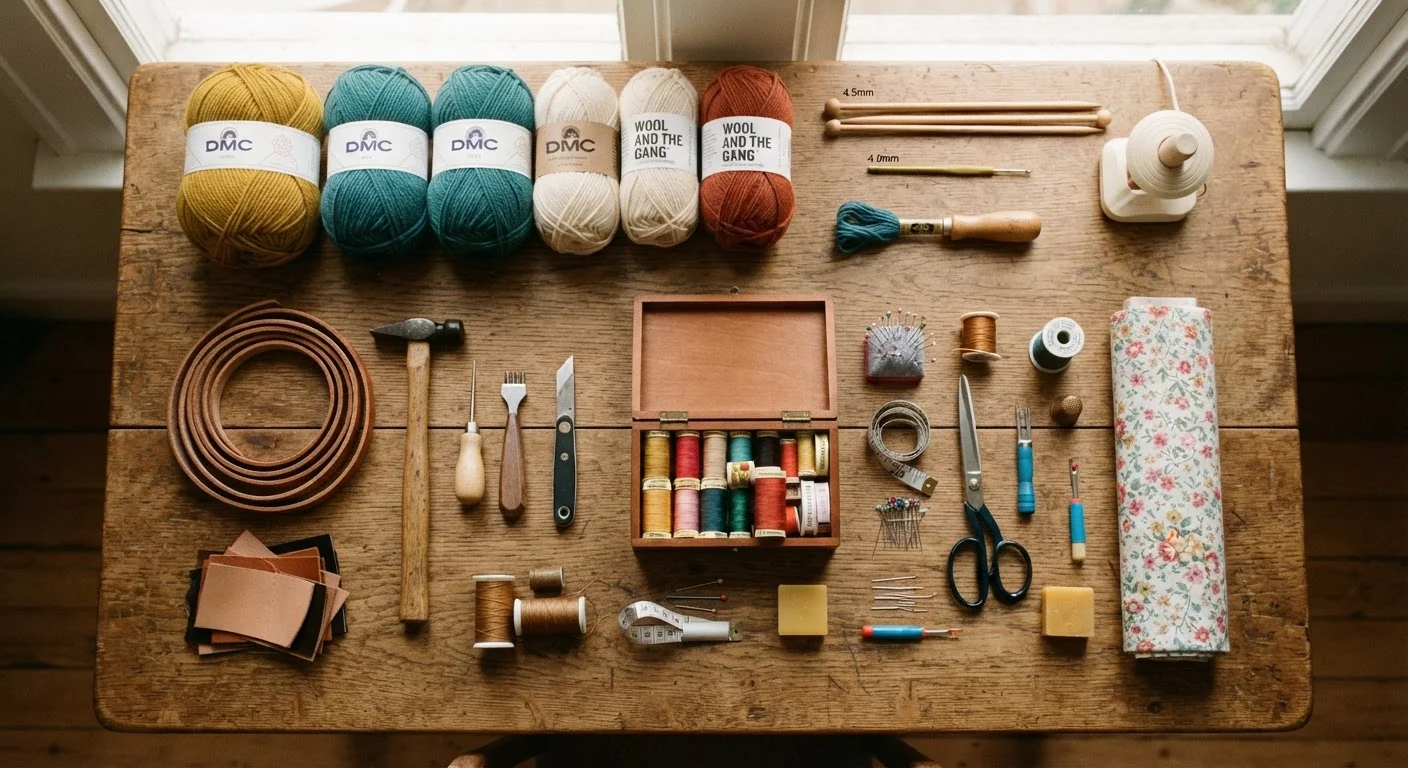
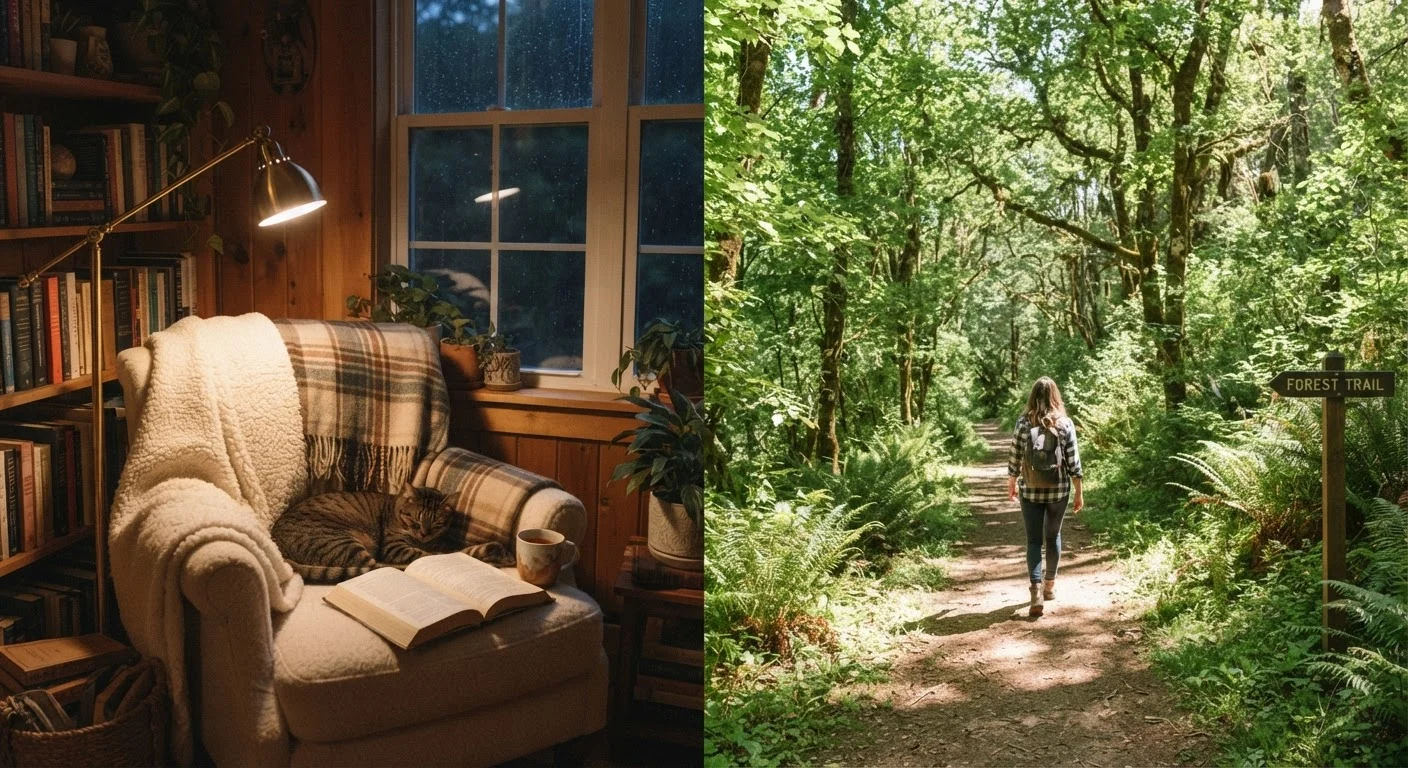
At the most basic level, indoor and outdoor hobbies differ in where they happen - but that distinction has real ripple effects on cost, accessibility, physicality, and how easily they fit into daily life. Indoor hobbies encompass a broad range of pursuits: reading, painting, knitting, board games, cooking, writing, and music, among others. Outdoor hobbies include hiking, gardening, fishing, cycling, birdwatching, and recreational sports, to name a few.
The setting shapes the experience in ways that go beyond preference. Outdoor activities are subject to weather, daylight, seasons, and geography. Indoor activities are largely insulated from all of those variables. For a fuller picture of how Americans distribute their leisure time across both categories, see The Landscape of American Hobbies.
| Criterion | Indoor Hobbies | Outdoor Hobbies |
|---|---|---|
| Weather dependence | None - fully weather-proof | High - seasons and climate matter |
| Physical activity level | Generally low to moderate | Moderate to high |
| Startup cost (typical) | Often low; varies by activity | Varies; gear and travel add up |
| Space required | Home space needed for some | External space (parks, trails, water) |
| Schedule flexibility | High - easy to fit in short windows | Lower - often needs planned time blocks |
| Nature exposure | Minimal | Central to the experience |
| Year-round viability | Yes, in most cases | Seasonal in many U.S. regions |
| Community access | Online and local clubs available | Strong local club culture in most areas |
How Lifestyle Factors Shape the Choice
There's no universal ranking between these two types - what matters is how each lines up with your actual circumstances. A few factors worth thinking through:
- Schedule flexibility: Indoor hobbies are generally easier to fit into short, irregular windows of time. You can put down a crochet project mid-row or pause a book without consequence. Outdoor hobbies often require blocks of time, daylight, and sometimes travel to a specific location.
- Physical ability and fitness goals: Many outdoor hobbies double as exercise, which is an asset for some and a barrier for others. If movement is part of what you want from a hobby, see hobbies that double as exercise for a practical look at what counts.
- Climate and region: Where you live matters. Those in northern states face real seasonal limits on outdoor pursuits, while people in temperate climates may find outdoor hobbies viable year-round. Seasonal outdoor activities across the U.S. can help you understand what's realistic in your area.
- Space at home: Some indoor hobbies require dedicated space - a craft room, an instrument corner, a workbench. If your living space is small, that matters. Outdoor hobbies move the activity outside the home, which can actually be a practical advantage.
50%+
Americans who participate in outdoor recreation
The Outdoor Industry Association has reported that more than half of Americans participate in some form of outdoor recreation annually.
~2.5 hrs
Daily leisure time for average American adult
The U.S. Bureau of Labor Statistics American Time Use Survey estimates average daily leisure time for adults at roughly two and a half hours.
Mental and Social Dimensions
Both categories offer genuine well-being benefits, though they work in somewhat different ways. Outdoor recreation is associated with reduced stress and improved mood in research settings, though the picture is more nuanced than headlines often suggest - outdoor recreation and mental health research provides a clear-eyed look at what the evidence actually shows.
Indoor hobbies, meanwhile, often support focus, creativity, and a sense of accomplishment through skill development. Activities like music or painting can be deeply absorbing and provide a reliable source of calm that doesn't depend on going anywhere.
Social dynamics differ too. Outdoor hobbies tend to have built-in community infrastructure - local clubs, trail groups, recreational leagues. Indoor hobbies can be solitary or social depending on how you approach them. If that solo-versus-group dimension matters to you, it's worth reading about solo pastimes vs. group activities before deciding.
Making a Practical Decision
The most sustainable hobby is one that genuinely fits your life - not the one that seems most impressive or aligned with an ideal version of your schedule. Before committing to a new direction, it's worth doing an honest self-assessment. A practical self-assessment for new hobbies walks through the key questions around time, space, budget, and motivation.
If you're leaning toward outdoor pursuits and aren't sure where to start, a plain-language introduction to outdoor hobbies covers common entry points without assuming prior experience. And if the goal is making a new hobby stick regardless of type, building a hobby habit that actually sticks offers practical steps for maintaining momentum past the first few weeks.
Many people find that having one hobby in each category - something for rainy days and something that gets them outside - provides the most balance and resilience across seasons and life changes.
Indoor and Outdoor Aren't Always Separate
Some hobbies blur the line between categories. Gardening, for example, is primarily outdoor but has strong indoor dimensions like seed starting, planning, and reading. Photography can be pursued indoors in a studio or outdoors in the field. If a hobby you're considering straddles both worlds, that flexibility can be an advantage rather than a complication.