Why Gardening Has Lasted as a Pastime
Gardening has appeared in virtually every human culture across recorded history, and its popularity in the United States has held steady through economic downturns, urbanization, and the rise of digital entertainment. According to National Gardening Association data, roughly 55% of American households participate in some form of lawn and garden activity. That breadth points to something deeper than trend - gardening meets needs that other hobbies often don't.
The appeal is partly sensory and partly practical. Working with soil, watching seeds germinate, and harvesting something edible delivers a concrete sense of accomplishment. Research in environmental psychology suggests that regular exposure to green spaces and nature-based tasks is associated with reduced stress and improved mood, though gardening alone isn't a treatment for any condition.
It also scales. Gardening can be a quiet solo activity or a shared neighborhood pursuit. It fits a retiree's open schedule just as naturally as a busy parent's weekend hour. For a broader look at where gardening sits among American leisure habits, see how Americans spend their free time.
55%
U.S. households that participate in lawn and garden activities
According to National Gardening Association data, roughly 55% of American households engage in some form of gardening.
~3 billion
Annual U.S. spending on lawn and garden activities (USD)
The lawn and garden market routinely ranks among the largest leisure-spending categories in the United States.
30 min/day
Moderate physical activity from light gardening
Health researchers classify light gardening tasks such as weeding and planting as moderate-intensity physical activity.
What Type of Gardening Suits You?
Gardening is not a single activity - it's a family of practices, each with its own pace, space requirements, and learning curve. Understanding the main categories helps newcomers choose a starting point that fits their actual life rather than an idealized version of it.
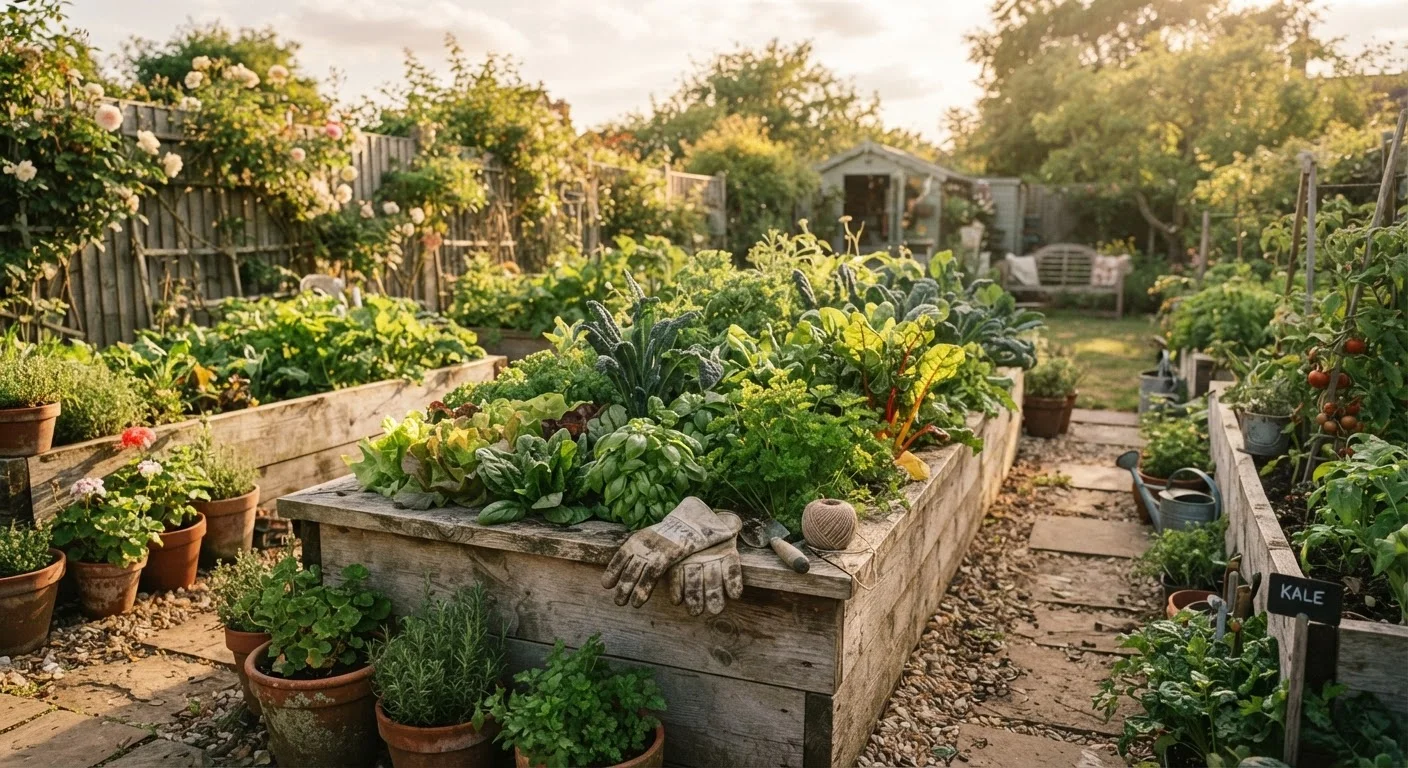
- Vegetable and edible gardening: Growing food - tomatoes, herbs, lettuce, beans - is consistently the most popular form. It provides tangible results and can offset grocery costs modestly, though it demands regular attention.
- Ornamental gardening: Focused on aesthetics - flowers, shrubs, and landscape plants - this style rewards patience and an eye for color and structure. Results accumulate over seasons rather than weeks.
- Container gardening: Plants grown in pots, window boxes, or raised beds. Highly adaptable to small spaces, and the contained environment gives the gardener more control over soil quality.
- Native and wildlife gardening: Prioritizing plants native to your region to support local birds, insects, and pollinators. Increasingly popular and often lower-maintenance once established.
Start With a Native Plant or Two
Native plants are adapted to your region's rainfall, soil, and temperature swings, making them far more forgiving for beginners. They also tend to support local pollinators. Check with your local cooperative extension service for a list of native species suited to your county or growing zone.
If you're weighing gardening against other outdoor pursuits, comparing indoor and outdoor hobby options can help you think through what fits your schedule and environment.
Gardening Without a Yard Is Possible
Apartment dwellers and renters aren't excluded from gardening. Container gardening on balconies, windowsill herb boxes, and community garden plots are all established and widely available options. Many cities maintain waiting lists for community plots, so it's worth applying early.
The Seasonal Rhythm of a Garden
One of gardening's defining characteristics is its connection to time. Unlike most hobbies, you cannot simply pick up where you left off at any moment - the garden moves on a schedule set by temperature, light, and rainfall. Learning to work with that rhythm rather than against it is central to the practice.
In most of the continental United States, the gardening year breaks into four functional phases. Spring is for soil preparation, cool-season crops, and starting seedlings indoors. Summer demands consistent watering, pest monitoring, and succession planting to keep harvests coming. Fall offers a second window for cool-season vegetables and is the best time to plant many perennials and bulbs. Winter is for planning, tool maintenance, and studying what worked and what didn't.
Know Your Frost Dates Before You Plant
Planting warm-season vegetables too early is one of the most common beginner mistakes. A late frost can kill seedlings overnight. The USDA Plant Hardiness Zone Map and your local extension office are reliable references for your region's last expected frost date.
This cyclical structure appeals to many gardeners precisely because it imposes a meaningful external rhythm on daily life - something that purely self-directed hobbies often lack.
What Beginners Should Know First
The most common beginner mistake isn't choosing the wrong plant - it's skipping the groundwork. Before selecting seeds or starts, new gardeners benefit most from understanding three things: their USDA hardiness zone, their soil type, and the actual sun exposure of their intended growing space.
Start with one dedicated bed or container before expanding. Mastering a small space teaches you more than struggling to manage a large one.
New gardeners who overextend often lose plants to neglect and lose motivation quickly - a focused start builds confidence and practical skill.
Always amend your soil before you plant anything. A simple home test kit reveals pH and nutrient gaps that can make or break a season.
Soil quality is the foundation of plant health; even strong sun and regular watering cannot compensate for compacted or nutrient-depleted ground.
Sunlight is often underestimated. Most vegetables need six to eight hours of direct sun per day. Observe your intended garden spot across a full day before committing to it. Shade that seems minor at 9 a.m. may dominate by afternoon.
Soil Health Determines Long-Term Success
No amount of watering, fertilizing, or sunlight fully compensates for poor soil structure. Before planting, invest time in understanding your soil's composition - sandy, clay, or loamy - and adjust accordingly with compost or other amendments. This single step has more impact on outcomes than almost any other gardening decision.
For adults picking up gardening later in life, starting a new hobby after 40 offers practical perspective on pacing, physical considerations, and realistic expectations. Gardening is particularly well-suited to this life stage because it rewards accumulated observation and patience.
Building a Lasting Gardening Routine
Gardening tends to reward consistency over intensity. A gardener who spends twenty minutes outdoors most days will generally outperform one who spends four hours on occasional weekends, simply because small problems - a pest infestation, a wilting seedling, an encroaching weed - are caught and addressed before they compound.
“Gardens are not made by singing 'Oh, how beautiful,' and sitting in the shade.”
— Rudyard Kipling, Author and Nobel Prize-winning writer
Building a routine means treating the garden as a regular stop, not a project. Many experienced gardeners find that morning visits, before the heat of the day, work best for both observation and light tasks. Evening visits work equally well for those with morning constraints.
Progress in gardening is measured in seasons, not days. Keeping a simple garden journal - noting what you planted, when, and how it performed - accelerates learning dramatically from year to year. It's a low-effort habit that pays consistent dividends.
For practical strategies on building any hobby into a sustainable weekly rhythm, building a hobby habit that actually sticks covers the fundamentals well. And if you're newer to outdoor activities in general, this introduction to outdoor hobbies for adults provides helpful context for what to expect when you start spending more time outside regularly.
USDA Plant Hardiness Zone Map
Find your official growing zone based on your zip code. Essential for choosing plants that can survive your region's winters.
Cooperative Extension Service (Land-Grant Universities)
Each U.S. state has an extension service providing free, research-based gardening guidance tailored to local soil, climate, and pests.
The Old Farmer's Almanac Planting Calendar
Enter your zip code to generate a personalized planting schedule for vegetables and flowers based on your frost dates.