Why Most Hobby Habits Fail Early
Most people don't abandon hobbies because they lose interest - they abandon them because the habit never had a solid structure underneath the initial excitement. The first few weeks of a new pastime feel energizing, but that novelty fades. Without a reliable system for when and how you practice, life's competing demands quietly crowd the hobby out.
Research on habit formation consistently shows that behaviors tied to specific cues - times, places, or existing routines - are far more likely to persist than those left to willpower alone. Applying that logic to leisure is straightforward: a hobby that lives in a calendar slot survives longer than one that exists only as good intentions.
Before diving into the steps below, it's worth checking whether you've matched the right hobby to your lifestyle. See our practical self-assessment guide to evaluate your time, space, and motivations before committing. If you're weighing indoor versus outdoor options, our overview of indoor and outdoor hobbies can help you find a fit that suits your daily reality.
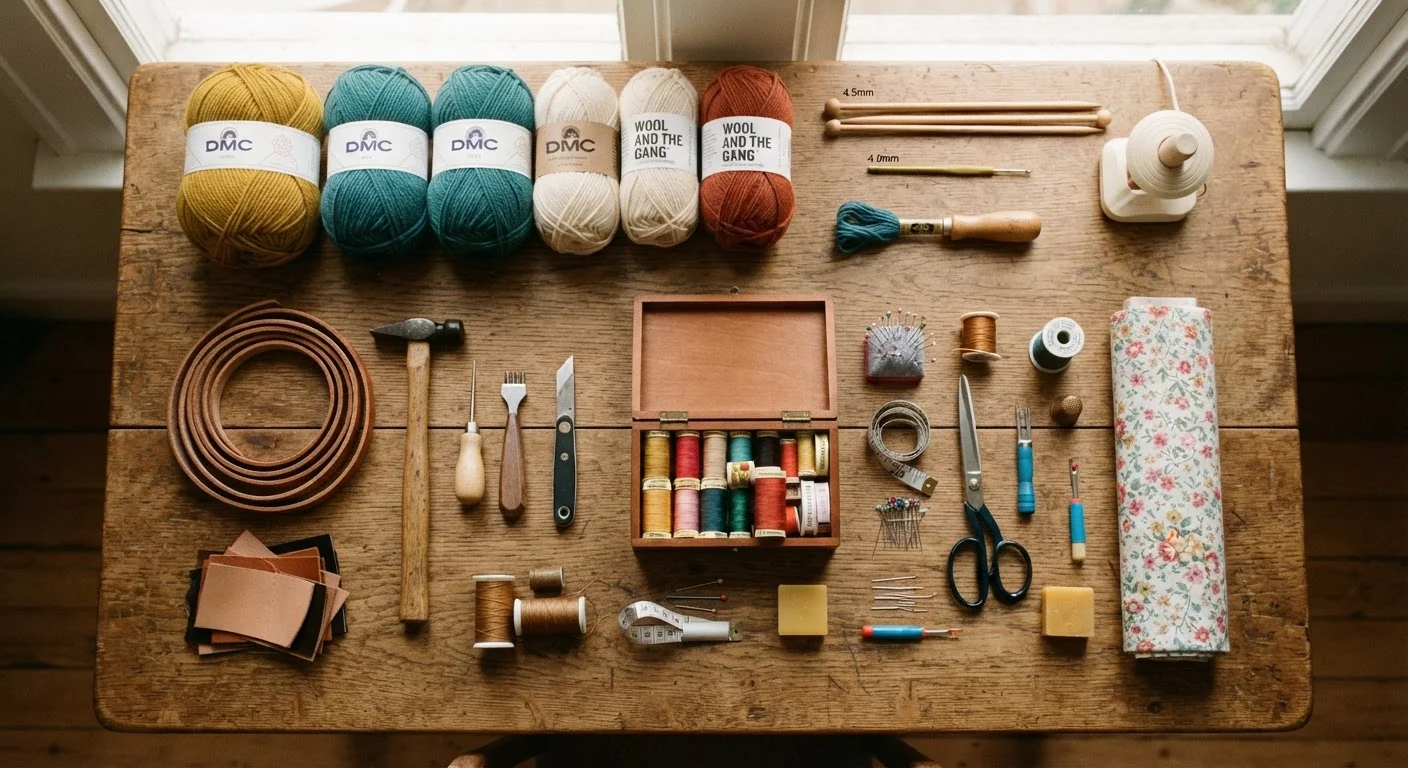
What you will need
Step-by-Step: Building a Hobby Habit That Lasts
Follow these steps in order. The early stages focus on designing a sustainable structure; later steps address what to do when motivation naturally dips.
Define exactly what "doing the hobby" means
Vague goals like "I want to paint more" don't translate into action. Instead, define a minimum session: "I will sketch for 20 minutes" or "I will practice three guitar chords." The smaller and more specific, the better. A clear, completable action is much easier to start - and finishing it builds the sense of progress that keeps you coming back.
Anchor the habit to an existing routine
Choose a consistent cue - something you already do every day - and attach your hobby session to it. Common anchors include: after your morning coffee, before dinner, or right after work ends. This "habit stacking" technique leverages an established behavior as a reliable trigger, so you don't have to rely on remembering or feeling motivated.
Block time on your calendar
Treat hobby sessions the same way you'd treat a meeting or appointment. Put them on your calendar with a specific duration. Even a recurring 20-minute block signals to you - and to others in your household - that this time is intentional and protected. Without a scheduled slot, hobby time is perpetually vulnerable to displacement.
Reduce setup friction as much as possible
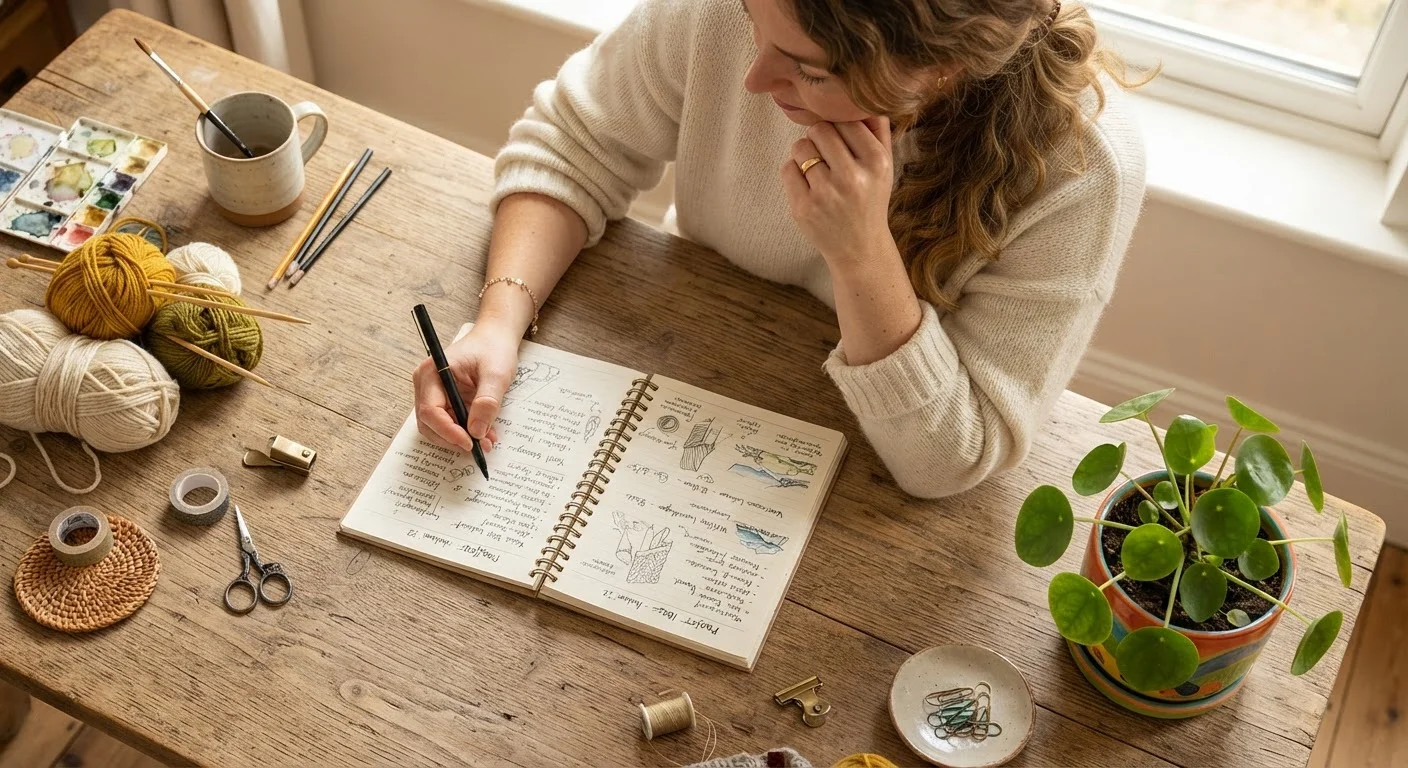
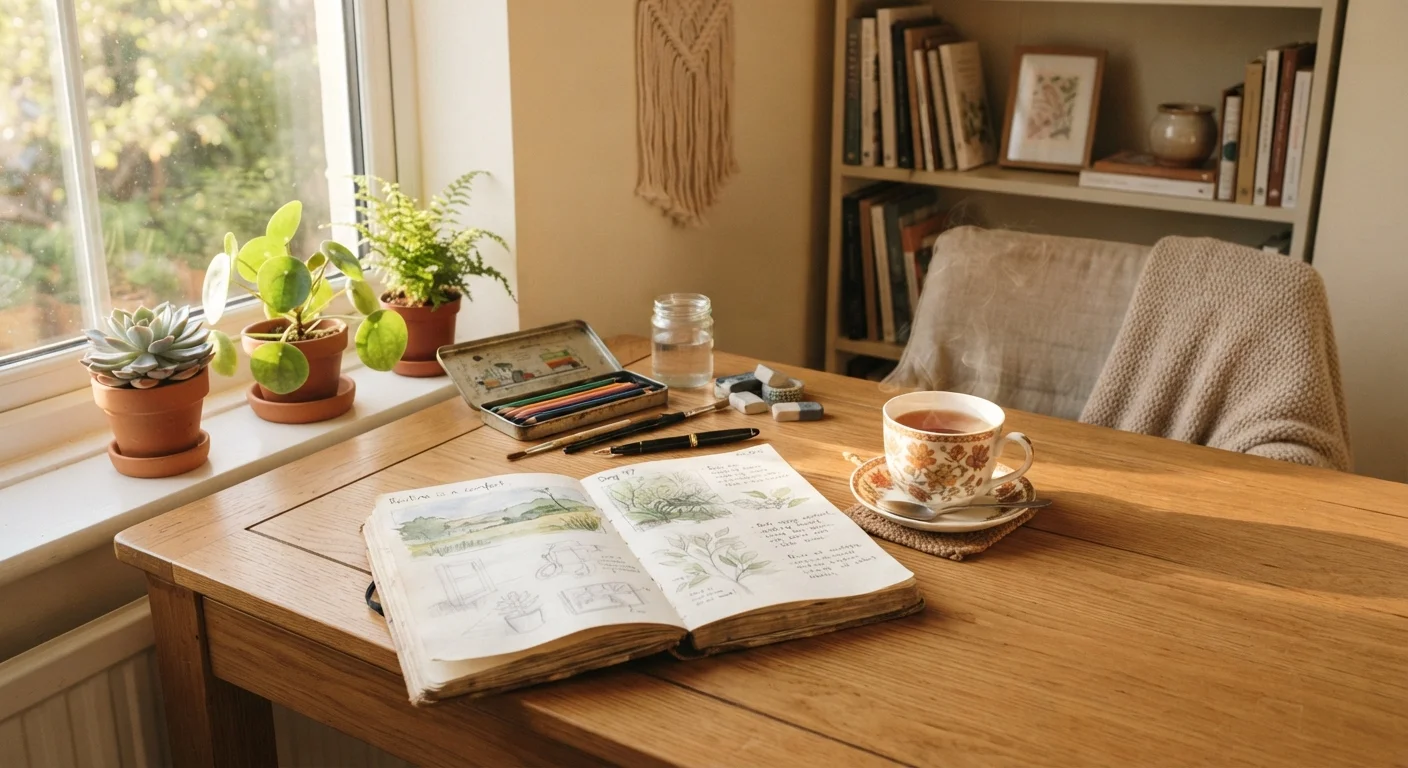
The easier it is to start, the more likely you are to follow through. Keep your hobby materials visible and accessible - yarn on the coffee table, a journal open on your desk, running shoes by the door. A five-minute setup barrier is often enough to derail a session when motivation is low. Design your environment so starting requires almost no effort.
Track your sessions simply
Keep a simple log of completed sessions - a checkmark on a paper calendar, a brief note in a journal, or a basic habit-tracking app. Visible streaks create a mild psychological pull to maintain consistency. More importantly, reviewing your log during a rough week reminds you that you've already built something worth protecting.
Schedule a monthly review
Once a month, spend ten minutes asking: Is my session length still realistic? Am I enjoying this as much as I hoped? Do I need to adjust the time, the format, or the challenge level? Hobbies that evolve with your interests and schedule last longer than those locked into a rigid structure. Small adjustments prevent the quiet drift toward quitting.
Start Smaller Than Feels Necessary
When building a new habit, most people overestimate what they can sustain in the early weeks. A 15-minute session three times a week is far more powerful than a two-hour block you attempt once and abandon. Consistency over duration is the foundational rule. Once the habit is established - typically after several weeks of reliable repetition - you can extend the sessions naturally.
Maintaining Momentum Past the Early Phase
Even well-designed habits encounter friction. A missed week, a life disruption, or a stretch of slow progress can make it tempting to quit. A few strategies help you recover without losing ground.
Lower the bar when needed. If your usual 30-minute session feels impossible on a difficult week, a five-minute check-in still counts. Partial engagement preserves the identity of being someone who does this activity - which matters more than any single session.
Connect with others who share the interest. Whether that's a local club, an online forum, or one friend who knits or hikes or sketches, social context creates light accountability and genuine enjoyment. Hobbies practiced in community tend to outlast solitary pursuits.
Watch for early signs of burnout. A hobby should feel restorative, not obligatory. If you're dreading your usual sessions, our guide on keeping a hobby from burning you out covers warning signs and how to protect what you enjoy. For those exploring activities with built-in physical benefits, hobbies that double as exercise can add a motivating dimension to your routine.
Don't Let Achievement Goals Replace Enjoyment
Setting progress milestones can be motivating, but when the primary focus becomes performance or output, leisure starts to feel like work. If you find yourself dreading sessions or only feeling satisfied when you hit a target, scale back the goal-setting and return to the activity itself. A hobby's core value lies in the doing, not just the results.