Defining 'Hobby' in the American Context
The word hobby covers a vast territory in everyday American life. At its core, a hobby is a voluntary, regular leisure activity pursued for personal satisfaction rather than professional obligation. What makes hobbies distinct from simple relaxation - like watching television passively - is the element of active engagement. Whether someone is tying fishing flies, learning a new language, or tending a vegetable garden, they are investing attention and often skill into the activity.
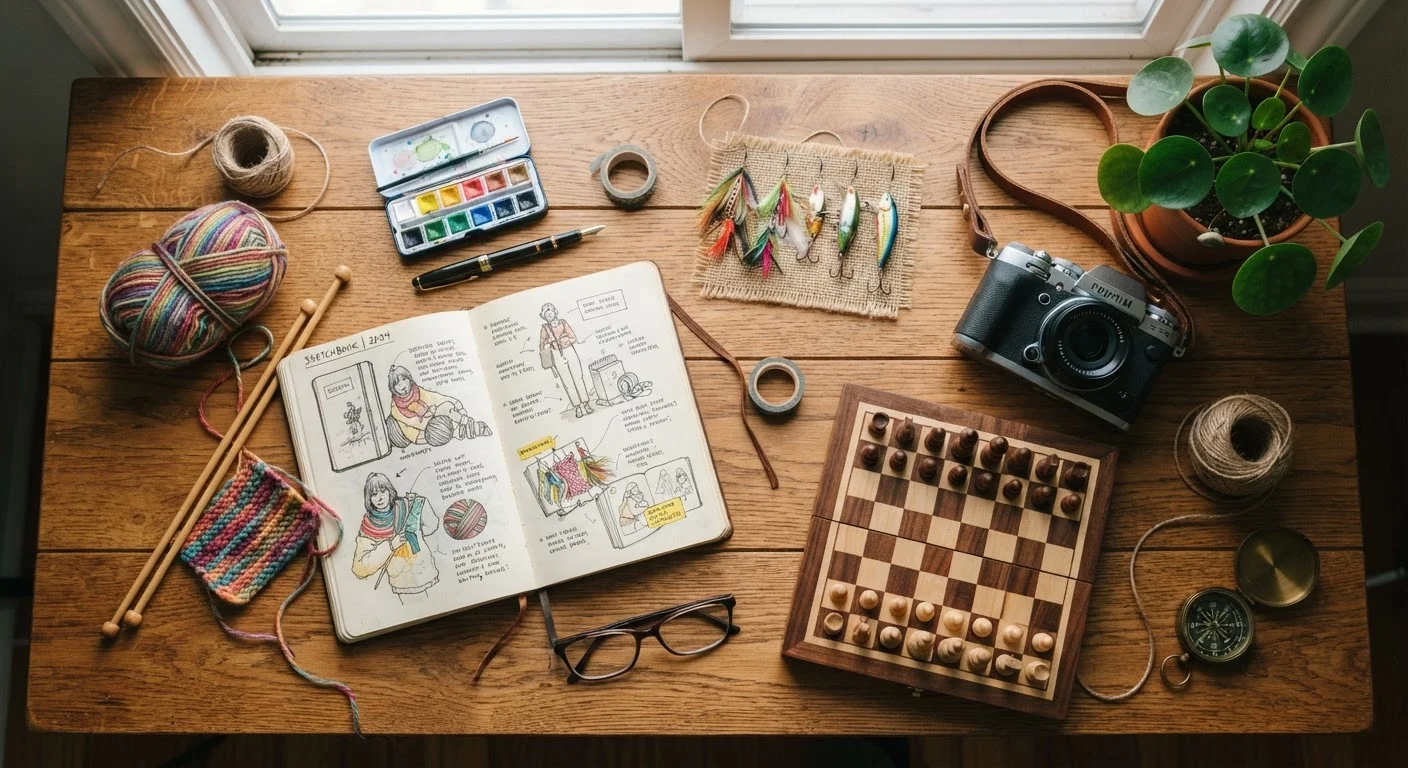
American hobbies tend to fall into four broad clusters: outdoor and physical activities, creative and craft pursuits, social and competitive pastimes, and digital and media-based hobbies. These categories overlap frequently. A runner who joins a club is combining physical activity with social connection; a gamer who streams live brings digital media into a public, interactive space. Understanding these clusters helps map the full landscape of what Americans do when they clock out.
Hobbies vs. Side Hustles: A Useful Distinction
It's worth separating hobbies from side hustles, even when they involve the same activity. A person who bakes for pleasure is pursuing a hobby; one who sells baked goods for income is running a small business. Many activities can function as either, but mixing financial pressure into a beloved pastime sometimes changes the experience significantly. Understanding your own motivation helps clarify which you're actually after.
Outdoor and Physical Hobbies
Outdoor pursuits remain among the most participated-in hobbies in the country. Hiking, fishing, cycling, hunting, kayaking, and birdwatching collectively draw tens of millions of participants each year. The appeal is rooted in both physical benefit and the psychological draw of nature - fresh air, open space, and a break from screens.
Outdoor activities vary enormously in cost and accessibility. Walking and jogging require almost no equipment; pursuits like rock climbing or sailing have significant gear and skill thresholds. Geography plays a meaningful role: coastal residents are more likely to surf or fish saltwater, while those in mountainous regions trend toward skiing or trail hiking. Recreational sports - from pickleball to ultimate frisbee - sit at the intersection of physical hobby and social game, making them a distinct and growing segment.
~5 hrs
Average daily leisure time for Americans
According to the U.S. Bureau of Labor Statistics' American Time Use Survey, Americans average roughly five hours of leisure and sports time per day.
168M+
Americans who participate in outdoor recreation
The Outdoor Industry Association has reported that more than half the U.S. population participates in outdoor recreation activities each year.
Top 3
Most common leisure activities: TV, socializing, and reading
The BLS American Time Use Survey consistently identifies television watching, socializing, and reading as the three most time-consuming leisure activities for Americans.
Creative, Craft, and DIY Pursuits
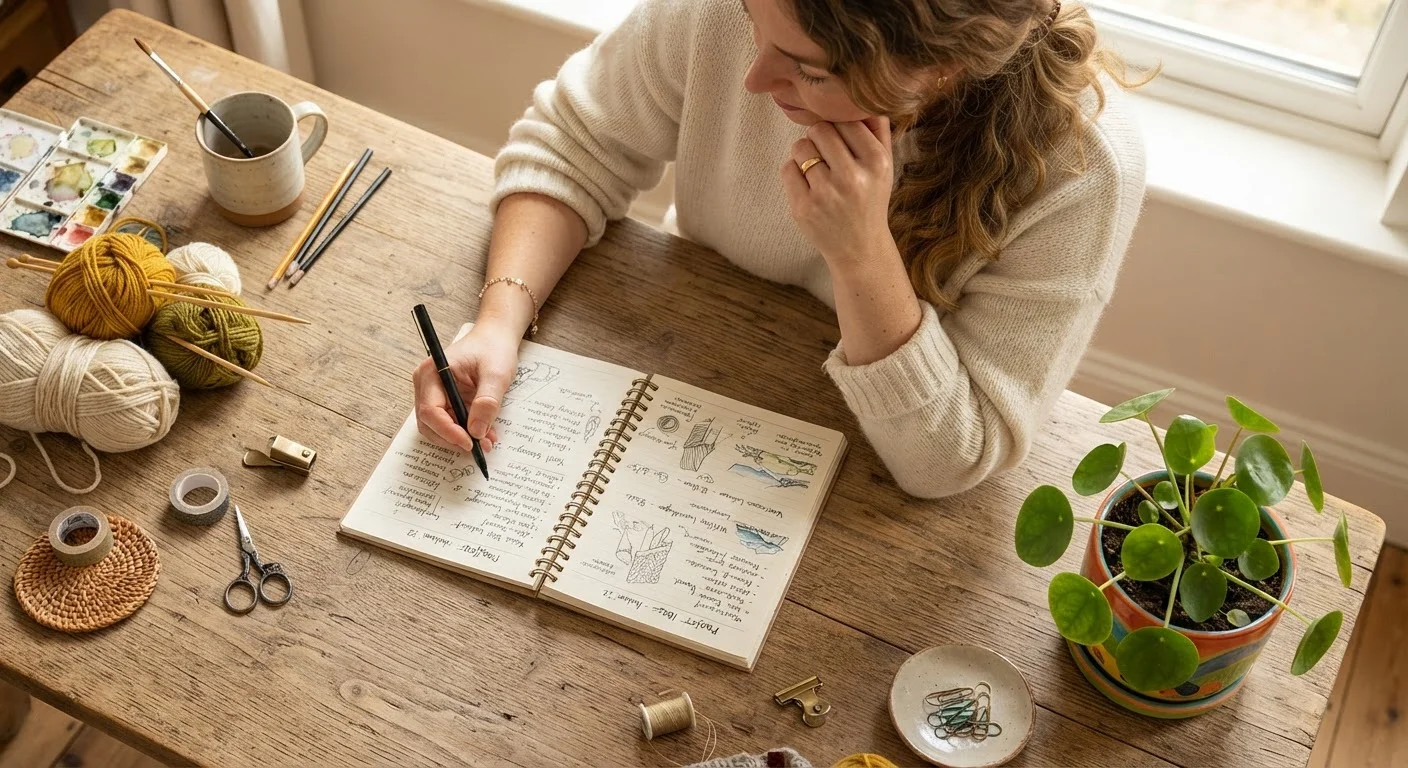
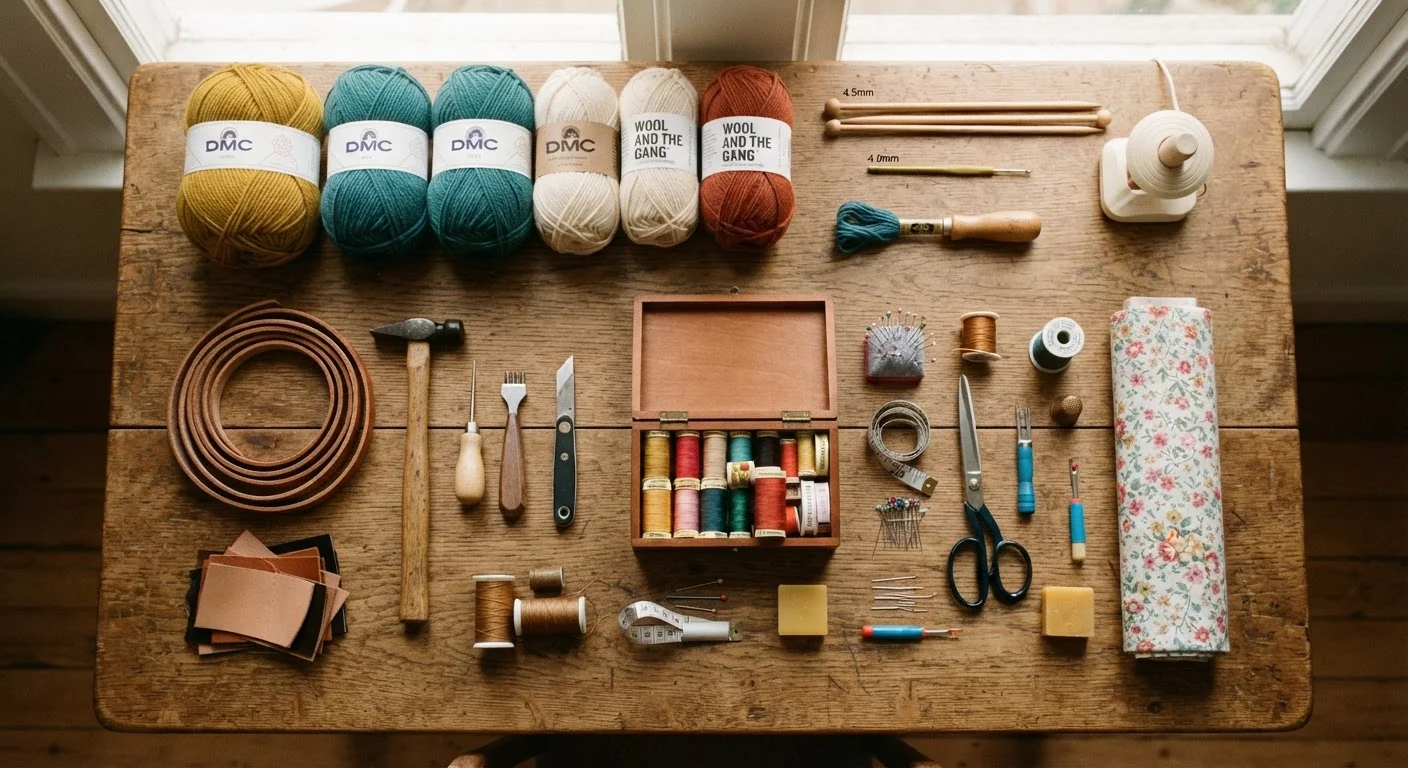
Creative hobbies span a remarkable range, from fiber arts like knitting and crochet to woodworking, painting, ceramics, and digital illustration. What these activities share is a focus on making something - a finished product that reflects the maker's skill and imagination. This category has seen sustained growth, partly driven by online communities and video tutorials that lower the barrier to entry for learning new crafts.
For a detailed look at hands-on making, see our guide to crafting and DIY hobbies, which covers everything from leathercraft to woodworking. Those drawn to fine and expressive arts will find a broader map of disciplines in the wide world of creative arts hobbies.
Social, Competitive, and Digital Pastimes
Many Americans structure their leisure time around other people. Book clubs, trivia nights, tabletop gaming groups, and community theater all blend activity with human connection. The social dimension of a hobby can be as rewarding as the activity itself - sometimes more so. Research in leisure studies consistently highlights belonging and shared identity as key drivers of sustained hobby participation.
Digital hobbies have grown substantially since the early 2000s. Video gaming, podcasting, content creation, online chess, fantasy sports leagues, and digital photography now command serious time and investment from millions of Americans. These aren't passive activities: competitive gaming, for instance, involves strategic depth comparable to traditional board games or sports. Understanding whether you prefer solo or group engagement in leisure can shape which hobbies feel most fulfilling - a question explored in depth in our piece on solo pastimes vs. group activities.
Starting a New Hobby? Begin Small
Many people abandon new hobbies because they invest heavily upfront in equipment or classes before confirming their interest. Try borrowing gear, attending a free community class, or watching instructional videos before committing significant time or money. Building a habit gradually is more sustainable than an all-or-nothing launch.
What Shapes Hobby Participation in America
No two Americans have exactly the same hobby profile, and several factors explain the variation. Age is one of the strongest predictors: younger adults skew toward active and digital hobbies, while older adults often favor gardening, reading, and crafting. Income and geography shape access - someone in a rural area with outdoor access will have different options than an urban apartment dweller. Time availability matters too; parents of young children and full-time workers navigate real constraints on leisure hours.
Cultural background and community also influence what hobbies feel natural or available. Immigrant communities may preserve traditional crafts, music, or cooking styles as leisure activities that carry cultural meaning beyond personal enjoyment. Ultimately, the American hobby landscape is as diverse as the population itself - a reflection of individual circumstance, personality, and the simple human need to spend some time doing something we love.