Before You Arrive: Tickets, Timing, and What to Bring
Preparation is what separates a stressful first experience from a memorable one. Most major venues - from NFL stadiums to NBA and NHL arenas - now issue tickets exclusively as mobile barcodes. Download your ticket to your phone's wallet app the night before, so a weak signal at the gate doesn't cause problems.
Check the venue's bag policy before packing anything. Many NFL stadiums follow a clear-bag rule limiting you to a small transparent tote. NBA arenas and MLB parks each have their own standards, but all venues prohibit outside food and alcohol.
Plan your transportation early. Game-day traffic around large stadiums is significant. Public transit - where available - is often faster and cheaper than driving. If you drive, research parking lots and their walking distance to the gate in advance.
Download Your Ticket Before Leaving Home
Cell service near large stadiums can be unreliable just before game time when tens of thousands of people are accessing data simultaneously. Save your mobile ticket to your phone's wallet app while you're still on Wi-Fi at home. A screenshot works as a backup but may not scan correctly at all gates.
Getting In: Gates, Security, and Finding Your Seat
Security lines move faster than they used to, but crowds still bottleneck at gates. Wear shoes you can move through a metal detector in without removing, and take electronics out of your pockets before you reach the front of the line.
Once inside, use the venue's app or printed map to navigate. Sections are numbered, and each section is served by a specific entry tunnel - look for the aisle number that matches your ticket. Ushers are stationed throughout and are genuinely there to help first-timers.
Your seat number runs along a row within the section. Lower numbers typically start on one side of the aisle; verify before you squeeze past a full row. For more detail on exactly what to check off before you walk in, the first live game preparation checklist covers entry logistics thoroughly.
Following the Action: Sport-by-Sport Basics
Each league has its own pace and scoring system, which shapes what it feels like to watch in person.
Down (NFL)
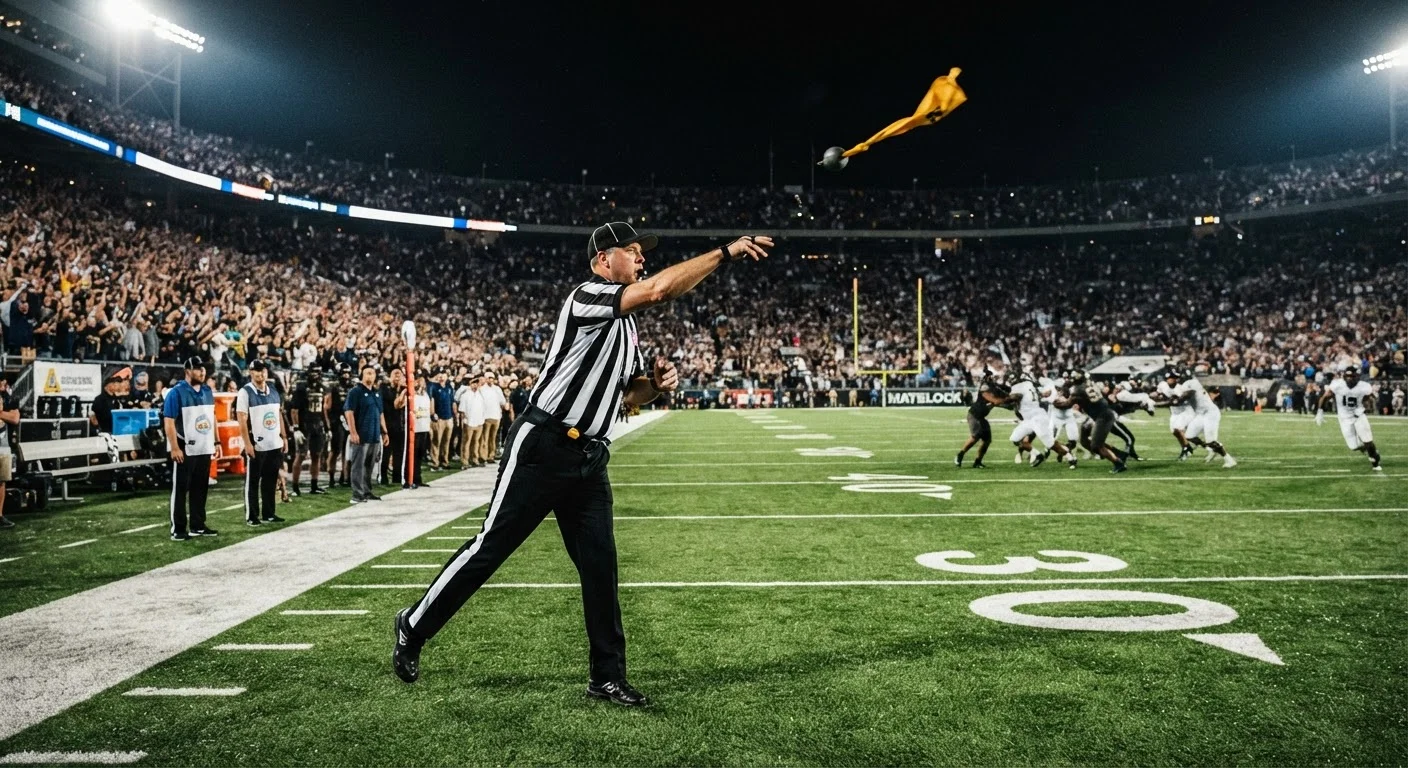
One of four chances an offensive team gets to advance the ball 10 yards. If they succeed, they earn a new set of four downs.
Shot clock (NBA)
A 24-second timer that requires the offensive team to attempt a shot before it expires, keeping the game moving.
Inning (MLB)
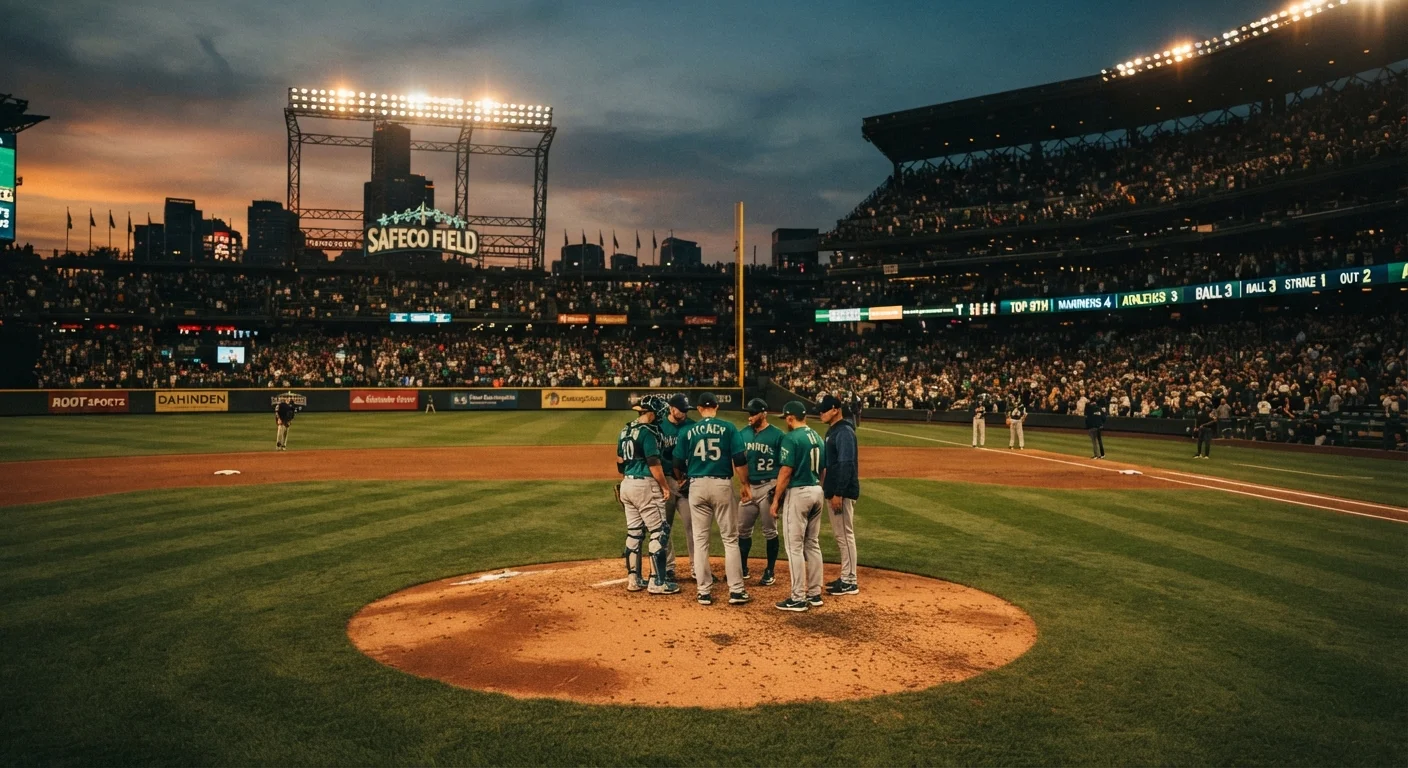
One round of play in baseball where both teams take a turn batting. A game consists of nine innings.
Icing (NHL)
A rule violation that occurs when a player shoots the puck from their own half of the ice all the way past the opposing goal line without it being touched. Play stops and the puck is brought back.
Power play (NHL)
A temporary advantage where one team has more skaters on the ice because an opposing player is serving a penalty in the penalty box.
Third down (NFL)
The third attempt in a set of four downs. It's a high-stakes play that often determines whether the offense keeps the ball or punts it to the other team.
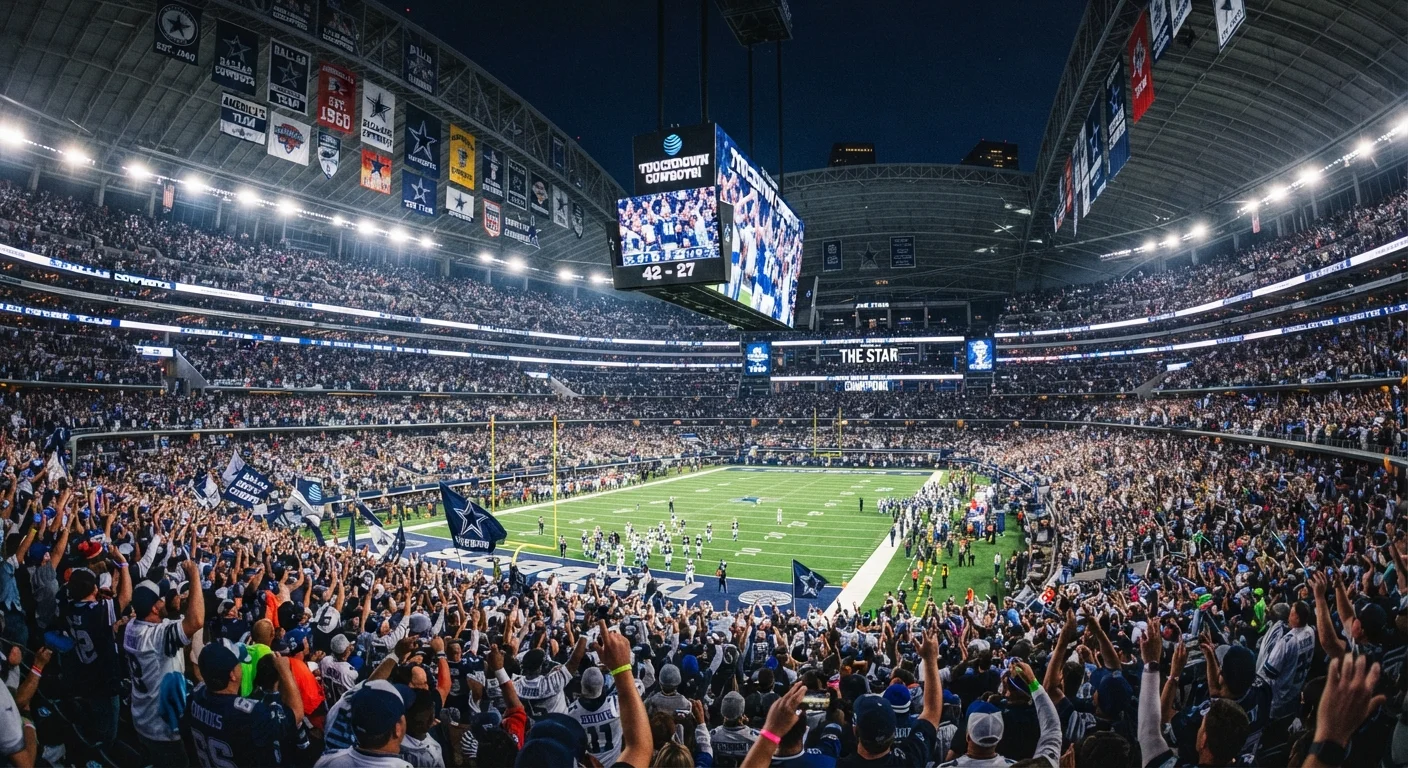
- NFL (football): Each game consists of four 15-minute quarters. Teams score touchdowns (6 points) and field goals (3 points). Games typically run about three hours. The scoreboard displays down and distance, which tells you how many plays the offense has to advance 10 yards.
- NBA (basketball): Four 12-minute quarters with a halftime break. Teams score 2-point field goals, 3-pointers from beyond the arc, and 1-point free throws. Action is nearly continuous; the shot clock - 24 seconds - keeps the pace high.
- MLB (baseball): Nine innings with no game clock. A team must record three outs per inning to change sides. Games can run anywhere from two and a half to over four hours. The pace is more conversational - many fans treat it as a social event as much as a sporting one.
- NHL (hockey): Three 20-minute periods. Teams skate a puck into the opposing net to score. Offside and icing are the two rules that cause the most stoppages, and the scoreboard will show the reason for each stoppage.
In every sport, watch the scoreboard and listen to the crowd - their reactions are reliable cues for what just happened.
Fan Etiquette and Stadium Culture
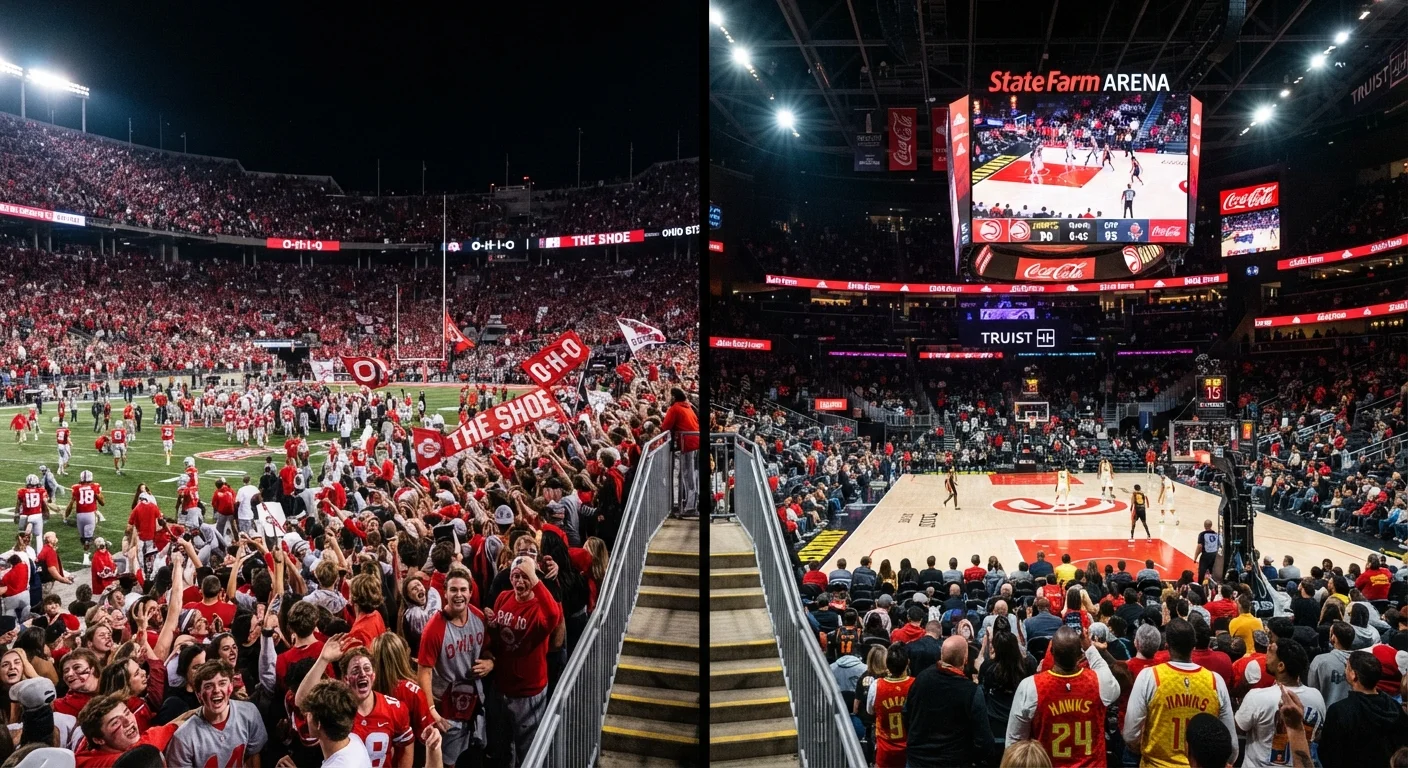
Sports venues have unwritten social norms that most fans learn intuitively. Cheering loudly for the home team is not only acceptable - it's expected and encouraged. Standing during big moments (a third-down stop in football, a power play in hockey) is part of the communal experience.
Respect the fans around you. Excessive language, blocking sightlines while standing when no one else is, or direct verbal harassment of opposing fans crosses a line that stadium staff will enforce. Most venues now operate fan conduct hotlines reachable by text from inside the building.
Concession runs work best during natural breaks: halftime, between-inning changes in MLB, or TV timeouts in the NBA and NFL. If you need to exit your row, turn toward the people you're passing, say excuse me, and move quickly. That simple courtesy goes a long way.
Fan culture varies meaningfully by league. The cultural norms across the NFL, NBA, MLB, and NHL break down what each league's crowd expects and how traditions differ.
Home and Away Fan Sections
Many stadiums designate informal sections where away fans tend to cluster. Sitting in these areas as a home fan - or vice versa - is not prohibited, but it can lead to more friction. If you're attending as a neutral, sections farther from both clusters tend to offer the most relaxed viewing.
After the Final Whistle: Leaving Safely and Next Steps
Exiting a major stadium immediately after the game ends puts you in the middle of tens of thousands of people funneling toward the same parking structures and transit stops. If you're not in a hurry, staying in your seat for five to ten minutes lets the heaviest crowds clear. Some venues show post-game highlights or interviews on the scoreboard during this window.
If you drove, walking a few extra blocks to a lot that's slightly farther from the stadium can cut exit time significantly. Transit riders should check the transit authority's game-day schedule - extra trains or buses are often added but fill quickly.
After your first game, you'll likely have questions about how leagues work, how seasons are structured, and how to pick a team to follow. The first-timer's roadmap to following a professional sports team is a practical next step for building that foundation. Many fans also find that online fan communities extend the experience well beyond the final buzzer - the guide to getting started in your first online community can help you find the right group.