Why Trade Coverage Trips Up Even Devoted Fans
Few things in sports fandom generate more chatter - or more confusion - than a major trade. Player movement stories break at odd hours, spread fast on social media, and arrive wrapped in contract language and league-specific jargon that can feel impenetrable. Even fans who follow a team closely often find themselves unsure whether a deal is good news, bad news, or still just a rumor.
The root cause isn't a lack of interest. It's that US professional sports leagues each operate under their own distinct rules for how players can be moved, what compensation is required, and when trades are even permitted. Blending those systems in your head without a clear map leads to real misunderstanding. If you're just getting started following a team, the First-Timer's Roadmap to Following a Professional Sports Team offers helpful grounding before diving into trade mechanics.
The mistakes below are the most common ones fans make when trying to follow trades - and each one has a straightforward fix.
Assuming all leagues trade players the same way.
Why it happens: Fans often follow multiple sports and unconsciously apply NBA logic to NFL moves, or MLB rules to NHL deals.
Ignoring the salary cap when evaluating a trade.
Why it happens: Player names and stats are visible; salary cap math is buried in contract databases most casual fans never visit.
Confusing a trade with a free-agent signing.
Why it happens: Both involve a player changing teams, so headlines can blur the distinction - especially on social media where context gets stripped away.
Misreading a 'sign-and-trade' as a straightforward signing.
Why it happens: The term includes the word 'sign,' which leads fans to treat it like a free-agency move rather than a negotiated exchange between teams.
Not accounting for trade deadlines specific to each league.
Why it happens: Fans hear 'trade deadline' and assume one annual cutoff applies across sports, when in reality the NFL, NBA, MLB, and NHL each have different deadline structures and waiver processes.
Treating every reported trade rumor as confirmed news.
Why it happens: Sports media and social platforms move fast, and the line between 'teams have discussed' and 'deal is done' often collapses in fan conversations.
Building a Clearer Framework for Following Trades
Once you've identified which mistakes to sidestep, it helps to build a simple mental framework. Start by separating each league's trade logic into three questions: What can teams trade? When can they trade? And what are they actually getting in return?
4
Major US leagues with distinct trade rules
The NFL, NBA, MLB, and NHL each operate under separate collective bargaining agreements that govern player movement, deadlines, and compensation structures.
~$136M
NBA salary cap (approximate 2023-24 season)
The NBA's salary cap directly limits which trades are legally permissible under league rules, making cap awareness essential for understanding any deal.
July 30
MLB trade deadline (standard annual date)
Major League Baseball's trade deadline, typically set around July 30, is one of the most active 24-hour windows in American sports for player movement.
In the NFL, draft picks are so valuable that entire team-building philosophies revolve around accumulating them. In the NBA, trade exceptions and max contracts shape almost every deal. MLB trades frequently involve prospects from minor league systems - so evaluating a deal may require knowing players most fans have never seen in a game. The NHL blends several of these elements, with picks and prospects both featuring prominently.
Understanding league-specific vocabulary is part of the process. Terms like 'waiver wire,' 'no-trade clause,' 'qualifying offer,' and 'franchise tag' mean very different things depending on the sport. The Sports Fandom Glossary breaks down many of these terms in plain language. And for fans who want to evaluate trades more analytically, Sports Stats That Actually Matter explains which numbers are genuinely useful versus which ones can mislead.
Rumor vs. Confirmed Trade: Know the Difference
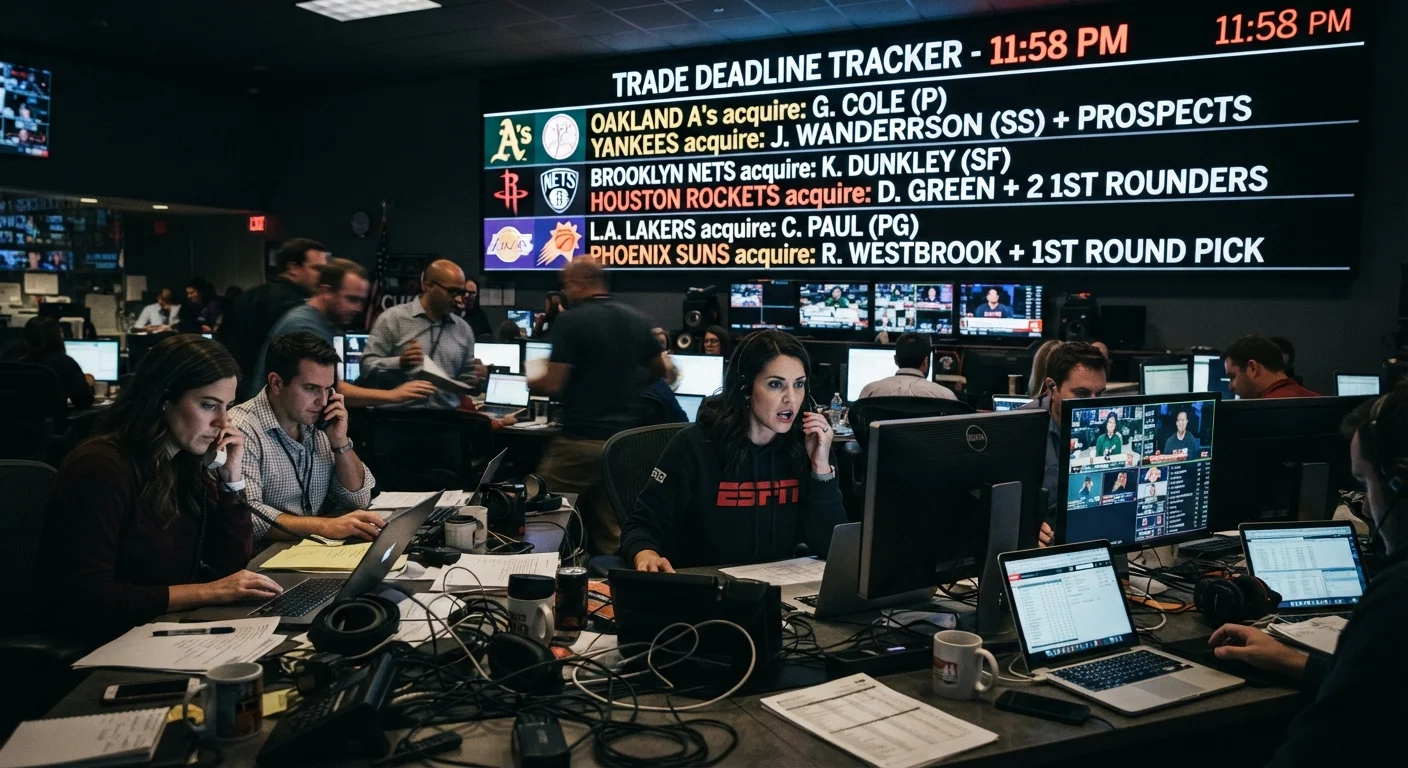
In professional sports, 'teams have discussed a deal' and 'a trade has been agreed upon' are categorically different stages - but headlines don't always make that clear. A trade is only final once it clears league review and, in some leagues, a physical examination of the players involved. Until official confirmation comes from the teams or the league, treat any report as unconfirmed.
Trade rumors are also a normal, constant feature of the sports news cycle - not every reported conversation becomes a deal. Following credible beat reporters who cover your team's front office directly is the most reliable way to separate real movement from noise. Fan communities on platforms like Reddit can surface news quickly, but verification still matters - for more on how those spaces work, see Online Fan Communities: How They Work.