The Landscape of Online Fan Spaces
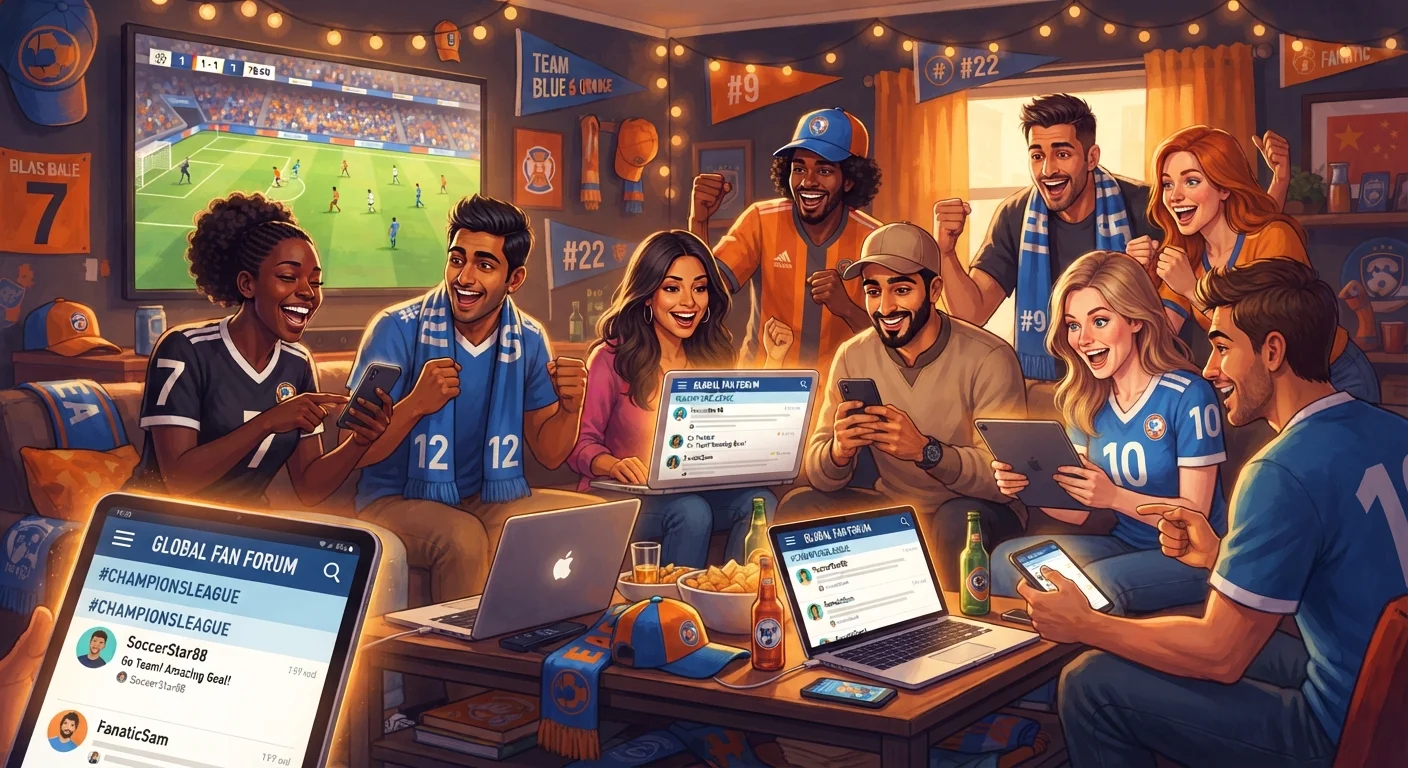
Millions of American sports fans no longer rely solely on TV broadcasts or newspaper columns to follow their teams. A significant portion of fan life has moved online - into subreddits, Discord servers, Facebook Groups, and dedicated team forums where conversations run 24 hours a day. These communities didn't replace traditional fandom; they extended it.
Each platform shapes how fans interact. Reddit organizes conversation through upvotes and threaded comments, rewarding posts the community finds most useful or entertaining. Discord operates more like a chat room, with channels dedicated to specific topics - game threads, trade rumors, fantasy leagues - and real-time voice or text conversations. Facebook Groups tend to skew toward older demographics and emphasize connections between people who may already know each other. Each platform works differently, and understanding those differences helps fans choose where to invest their time.
3.1B+
Reddit registered users globally
Reddit reported surpassing 3.1 billion registered accounts as of its 2024 IPO filing, with sports subreddits among the most active communities on the platform.
19M+
Discord servers in operation
Discord has publicly reported hosting over 19 million active servers, a substantial portion of which are organized around sports teams, leagues, and fantasy games.
73%
US sports fans who engage with sports content online
According to Nielsen's Fan Insights research, a strong majority of American sports fans regularly consume sports-related content through digital and social channels.
How These Communities Are Organized
The backbone of most online fan communities is volunteer moderation. Fans - not leagues or broadcasters - create and manage these spaces. Moderators write the rules, approve or remove posts, and set the tone for discussion. In large subreddits like those for NFL or NBA teams, moderation teams can number in the dozens, handling thousands of posts during a busy game week.
Within communities, content is typically organized by type. Game day threads serve as real-time reaction hubs. Weekly discussion posts invite broader conversation. Pinned announcements highlight major news. This structure helps readers navigate high-volume spaces without missing important updates. For a deeper look at how different platform structures serve different community needs, see this comparison of forums, Discord, subreddits, and Facebook Groups.
During an NBA playoff run, a team's subreddit swells to hundreds of thousands of active users posting play-by-play reactions in a live game thread.
A dedicated Discord server for a college football program maintains separate channels for recruiting news, game analysis, historical trivia, and off-topic banter.
A Facebook Group for a regional soccer team serves fans who share local geographic ties and frequently coordinate watch parties and meetups.
Why Fans Join and What They Get Out of It
The motivations for joining online fan communities are varied but consistent across sports. Many fans seek real-time company during games - someone to share the tension of a fourth-quarter comeback or the frustration of a bullpen collapse. Others want informed analysis beyond what broadcast commentators provide, including statistical breakdowns, historical context, and scouting perspectives from fellow enthusiasts.
There's also a social dimension that matters. Fan communities create a sense of shared identity, particularly valuable for fans whose geographic location doesn't match their team allegiance. A Kansas City Chiefs fan living in Boston has fewer opportunities for in-person connection with fellow supporters - an online community fills that gap. This interplay between local loyalty and national digital presence reflects the broader dynamics explored in the complete picture of sports fandom in America.
Fan culture also varies meaningfully by sport. The pace of an MLB season produces different community rhythms than the compressed NFL schedule - and those differences show up in how communities organize their conversation. Fan culture differs across the NFL, NBA, MLB, and NHL in ways that shape online community norms as well.
“Online communities have fundamentally changed the relationship between fans and their teams. Fans now expect to be part of an ongoing conversation, not just an audience.”
— Henry Jenkins, Media scholar and author on participatory culture
Getting Started as a New Participant
Joining an online fan community for the first time can feel overwhelming. Large subreddits and Discord servers have established cultures, inside jokes, and unwritten expectations. Most communities post their rules visibly - reading those before posting is the most practical first step.
Newcomers typically benefit from spending time reading before participating. Observing what kinds of posts get traction, how disputes are handled, and what the community values helps new members contribute productively rather than accidentally stepping on cultural norms. Posting thoughtful questions or reactions - rather than low-effort content - tends to lead to more positive first experiences.
Over time, participation can deepen into moderation, content creation, or leadership within the community. Some fans build reputations as trusted analysts, statisticians, or humor contributors. Others prefer to stay as readers, which is a completely valid way to engage. Sustaining long-term enjoyment as a fan - online or off - comes down to finding the level of engagement that genuinely energizes rather than drains you.