How Activity Patterns Evolve Across a Lifetime
Physical activity is rarely a fixed habit. As Americans age, the sports they play - and why they play them - shift in response to changing bodies, schedules, social circles, and priorities. Understanding these patterns helps explain not just what people do for fun, but how recreation functions as a thread running through American life from childhood to retirement.
Data from the Physical Activity Council and the Outdoor Foundation consistently show that overall sports participation declines in early adulthood before stabilizing or even rebounding in middle age and beyond, often shifting toward lower-impact pursuits. The sports that dominate each decade reflect the competing demands of that life stage as much as they reflect personal preference. For a broader look at who plays what and why, see our overview of recreational sports in America.
Childhood (Under 12): Organized Youth Sports and Free Play
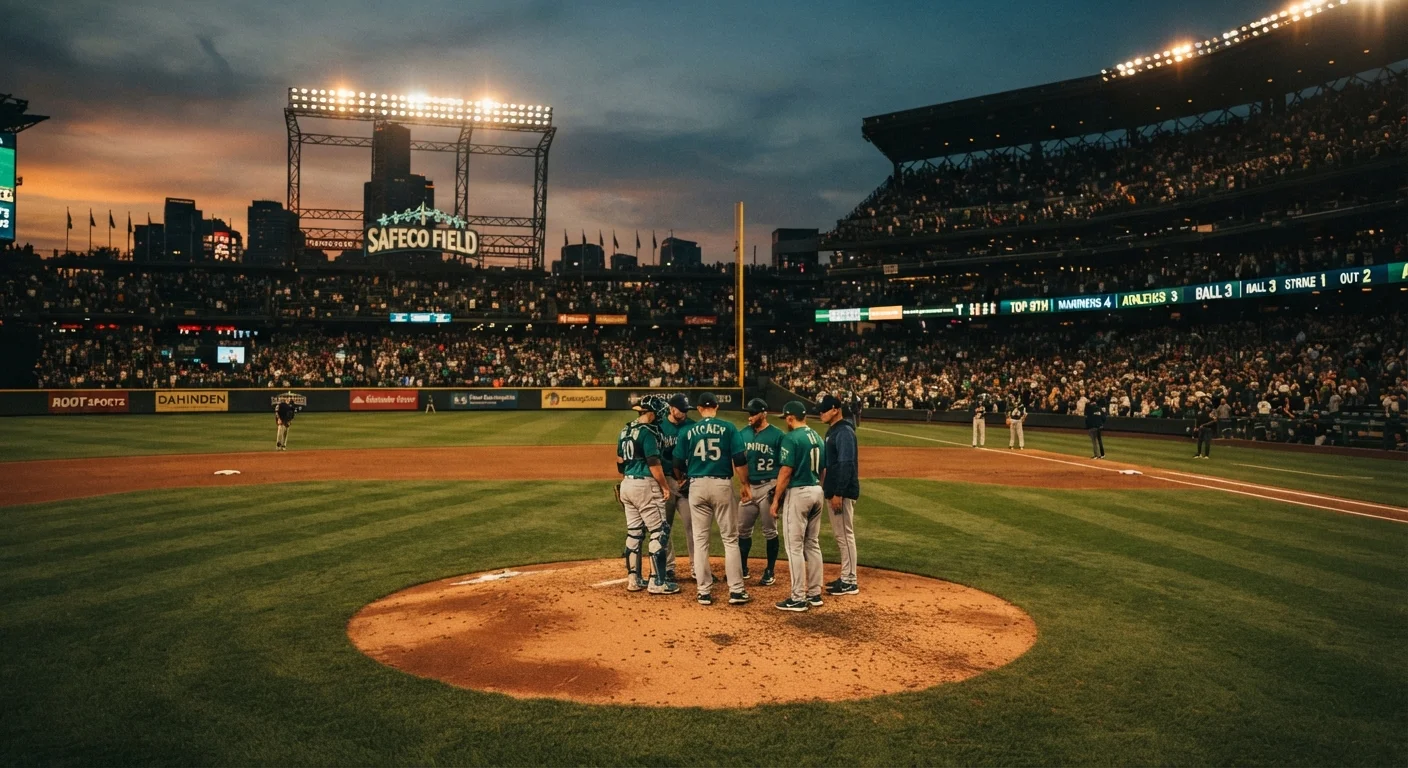
American children are introduced to sport primarily through school programs, community leagues, and unstructured outdoor play. Soccer, swimming, baseball, and basketball dominate organized youth participation, while playground games and neighborhood activities fill informal time. Youth leagues managed by organizations like Little League Baseball and the American Youth Soccer Organization give millions of children their first structured athletic experience.
The emphasis at this stage is less on competition than on motor skill development, socialization, and fun. Research from the Aspen Institute's Project Play has documented a long-term decline in free play among children, with organized sport filling more of the gap - a trend that carries its own tradeoffs regarding early specialization and burnout risk.
Soccer, swimming, and baseball dominate youth sport, but unstructured play remains a vital and increasingly rare complement.
Teens (13-19): High School Athletics and Pickup Culture
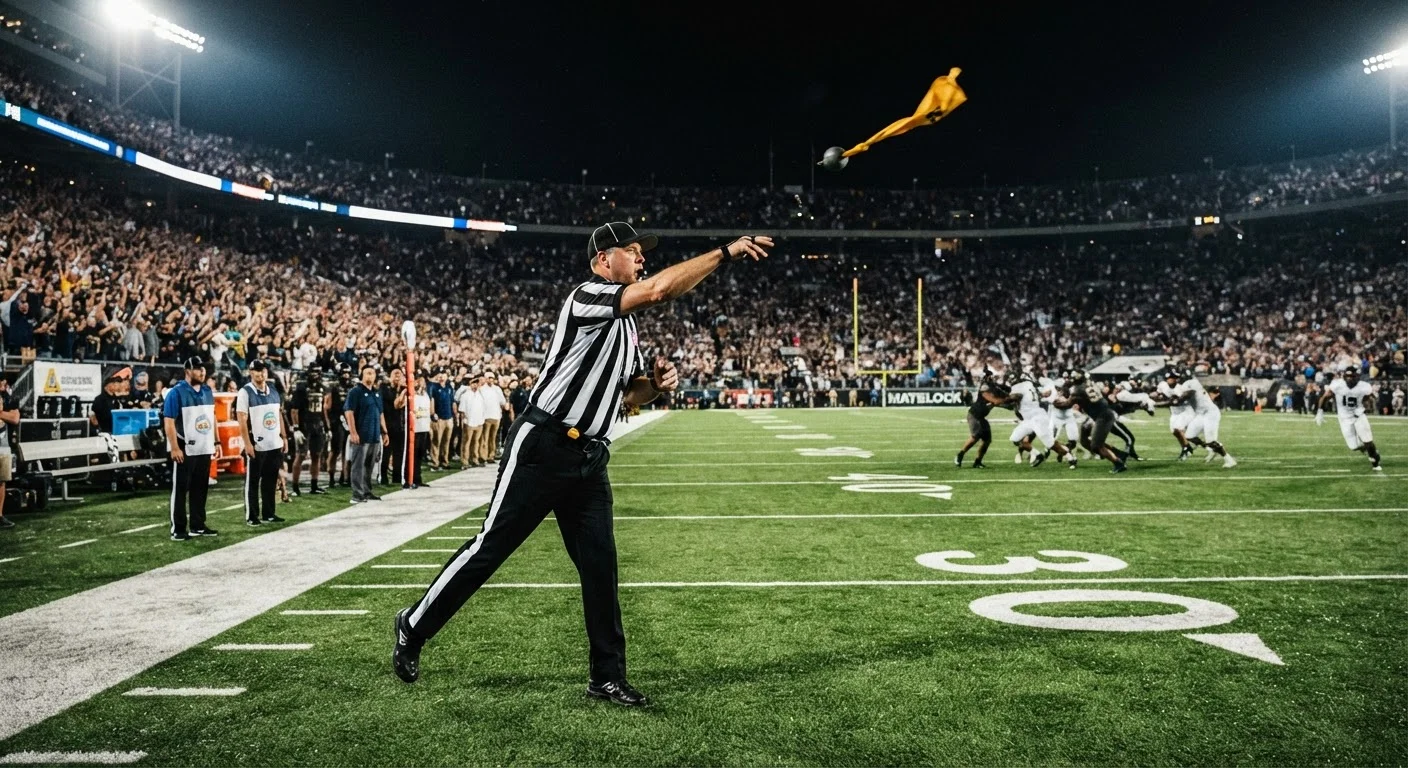
Adolescence is peak participation time for team sports in America. High school athletics - football, basketball, track and field, volleyball, and cross country - draw millions of participants annually. According to the National Federation of State High School Associations, more than seven million students participate in high school sports each year.
Alongside school programs, teens are significant participants in pickup basketball, skateboarding, surfing, and cycling. Social dynamics matter enormously at this age: sport functions as identity, community, and status as much as fitness. The teen years also see the first significant drop-off - students who don't make school teams or who lose interest often disengage from sport during this window, sometimes for years.
Over seven million American students participate in high school sports annually, making adolescence the peak decade for team sport involvement.
Young Adults (20s): Transition From Team to Individual Pursuits
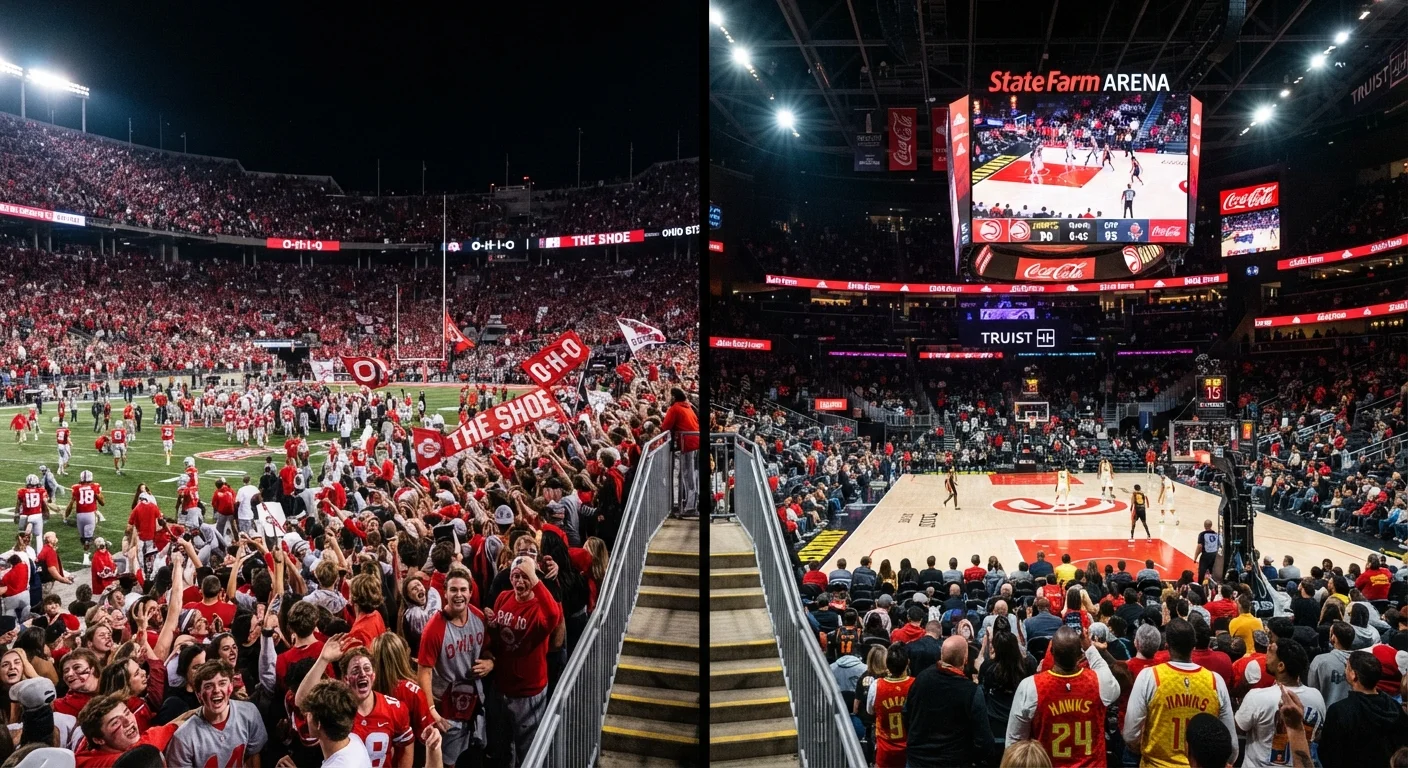
The twenties bring a meaningful shift. College intramurals, adult recreational leagues, running clubs, and gym-based fitness become the primary outlets as school-sponsored sport disappears. Running and cycling see strong participation in this demographic, partly for fitness and partly for the accessible community structure of local races and clubs.
This is also when lifestyle sports - rock climbing, yoga, ultimate frisbee, and recreational soccer leagues - gain traction. Adult rec leagues are especially popular among young adults maintaining social bonds after college. Time constraints from early career demands begin shaping what's feasible, with many gravitating toward activities requiring minimal equipment and flexible scheduling. Sports that fit into a busy schedule, as part of the broader landscape of American hobbies, often outcompete those requiring significant commitment.
Running, cycling, and adult rec leagues replace school sport in the twenties, with flexibility becoming a primary factor in activity choice.
30s and 40s: Sustaining Activity Around Family and Career
The middle adult decades are often characterized by reduced time and increased responsibility. Participation rates dip, but many Americans maintain activity through activities they can share with children - swimming, hiking, cycling - or through time-efficient formats like morning runs, weekend golf, and gym workouts. Golf is a notably persistent activity in this demographic, valued for its combination of social engagement and outdoor access.
Trail running, recreational tennis, and adult flag football leagues see strong participation among 30- and 40-somethings. The social science of solo versus group activities is particularly relevant here - some adults in this age group actively seek solitary outdoor pursuits as a form of mental recovery, while others lean on group activities for social connection they can't find elsewhere.
Americans in their 30s and 40s often gravitate toward time-efficient or family-compatible activities like hiking, cycling, and recreational tennis.
50s and Beyond: Low-Impact Sports and the Rise of Pickleball
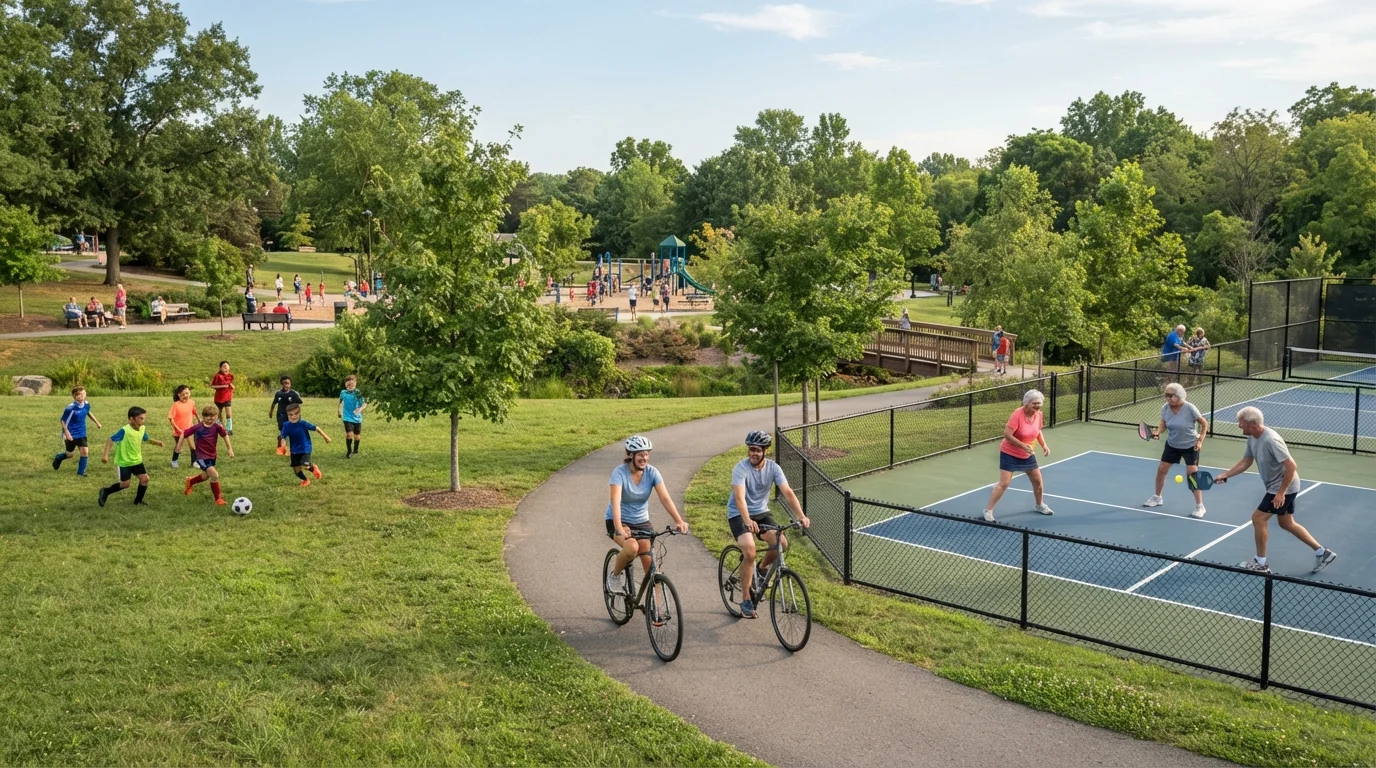
No recreational trend better illustrates how sport adapts to aging than the explosive growth of pickleball among Americans over 50. A paddle sport played on a smaller court with a wiffle-style ball, pickleball combines elements of tennis, badminton, and ping-pong in a format accessible to people with varying fitness levels. The Sports & Fitness Industry Association has tracked pickleball as one of the fastest-growing sports in the country, with much of that growth coming from older adults.
Alongside pickleball, walking, swimming, golf, cycling, and yoga dominate participation among Americans in their 50s through 70s and beyond. These activities prioritize joint-friendly movement, social engagement, and sustainability over intensity. Senior softball leagues and masters-level swimming programs extend team and competitive sport participation well into retirement, showing that structured sport isn't just for the young.
Pickleball's rise reflects a broader truth: low-impact, social sport participation among Americans over 50 is growing, not declining.
Finding Your Fit at Any Stage
One consistent pattern across decades is that social connection - or the desire to maintain it - shapes sport choices as much as physical preference does. Team leagues matter most when you're young; partner activities and community classes often fill that role later. If you're considering a more structured entry into adult recreation, our guide on what to realistically expect from adult rec leagues offers an honest starting point.
Recreation also intersects with where you live and what each season offers. Americans in different regions have access to distinct outdoor opportunities year-round, a dimension explored in our look at seasonal outdoor activities across U.S. regions. Whether you're rediscovering movement after a long gap or looking to diversify your activity mix, the key insight is this: there's no single right sport for any age - only what fits your life as it is now.
Starting or Returning at Any Age
If you're returning to sport after a long gap or trying something new later in life, starting with community recreation centers, parks and recreation departments, or senior center programs is often the most accessible first step. These programs typically welcome beginners, offer structured scheduling, and cost less than private clubs or gym memberships. Consulting with a healthcare provider before starting a new physical activity is especially worth doing if you have existing health considerations.