Why Fan Burnout Is Real - and Common
Rooting for a team through a rebuilding season, a string of heartbreaking losses, or a messy front-office controversy can wear on even the most devoted fan. The emotional investment that makes sports meaningful can also make fandom feel exhausting when things go wrong. Fan burnout - a gradual disengagement driven by frustration, disappointment, or emotional fatigue - is a well-recognized pattern across every major American sport.
Understanding that these feelings are normal is itself a useful starting point. The complete picture of American sports fandom shows that the relationship between fans and their teams goes through natural cycles. Protecting your enjoyment isn't about caring less - it's about caring smarter.
60%
Fans who report stress from following sports
A survey by the American Psychological Association found that roughly six in ten sports fans report some degree of emotional stress tied to their team's performance.
3x
Higher well-being among fans with strong community ties
Research on fan identification consistently finds that fans embedded in supportive communities report significantly higher enjoyment than isolated fans, regardless of team performance.
Core Practices for Sustaining Long-Term Fandom
The fans who stick around the longest tend to share a set of recognizable habits. These aren't rigid rules - they're flexible approaches that can be adapted to your schedule, temperament, and the team you follow.
Decouple your mood from game outcomes as much as possible.
When wins and losses directly govern how you feel day to day, a bad stretch can make fandom feel more like a burden than a pleasure. Creating some emotional separation - acknowledging disappointment without dwelling in it - keeps the hobby sustainable over years and decades.
Broaden your interest beyond the scoreboard.
Fans who follow player backstories, team history, coaching strategy, and league-wide storylines have more to engage with when their team is struggling. This depth of interest keeps the sport interesting even when the wins aren't coming.
Take deliberate breaks when fandom stops feeling fun.
Forcing yourself to watch games you're not enjoying doesn't build loyalty - it breeds resentment. Giving yourself permission to step back for a week or a month is a healthy boundary, not a betrayal.
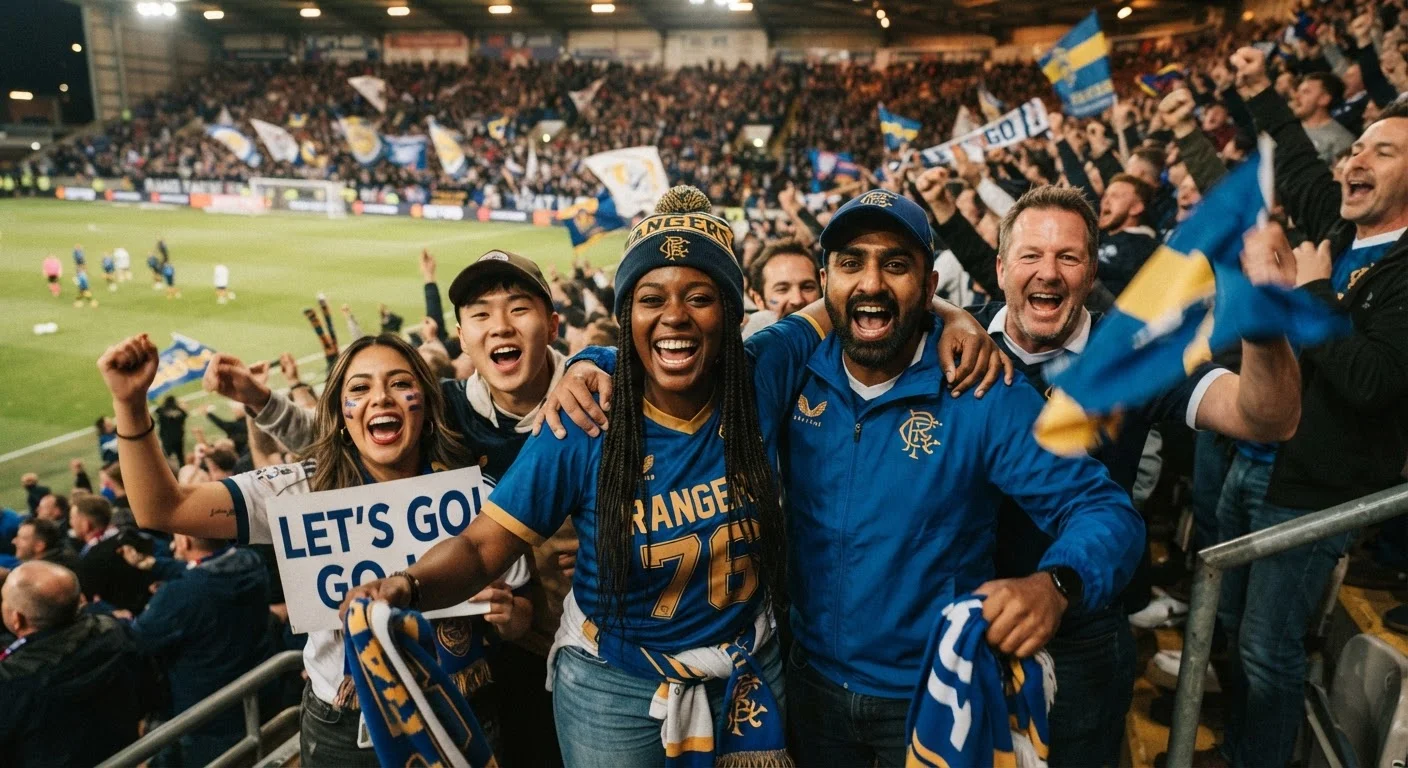
Seek out in-person fan experiences to reinforce community bonds.
Attending a game, a watch party, or a local fan meetup reminds you that fandom is a shared human experience - not just a transaction between you and a screen. That social dimension is one of the most durable sources of long-term enjoyment.
Be selective about the media you consume around your team.
Sports talk and social media are designed to maximize engagement, which often means amplifying outrage and anxiety. Curating your intake - choosing measured analysis over reactive hot takes - keeps your perspective grounded.
Managing Your Relationship With Fan Media and Online Spaces
Social media and fan forums can be a genuine source of community and insight, but they can also amplify negativity during losing stretches. Hot takes, trade rumors, and post-game pile-ons can turn a disappointing loss into a multi-day spiral. Setting practical boundaries on online platforms - muting certain accounts, stepping away from comment sections after losses - can meaningfully protect your enjoyment.
That said, online communities also provide real value. Fan forums and team subreddits connect you with people who share your passion, offer historical context, and can make the experience feel less isolating during tough seasons. The key is being intentional about when and how you engage, rather than letting the algorithm dictate your mood.
It's also worth recognizing when fan spaces become toxic. Intense fandom can sometimes tip into hostility, and finding communities with a healthier tone is entirely reasonable.
“The most passionate fans are often the most vulnerable to burnout, because they've tied so much of their identity to outcomes they can't control. The healthiest relationship with a team involves genuine care alongside a recognition that the sport exists to add to your life, not define it.”
— Daniel Wann, Sports psychology researcher and professor, known for extensive study of fan identification and well-being
Quick Actions to Recalibrate Your Fandom
If you've felt the energy draining from following your team, a few deliberate changes can help restore it. These aren't long-term commitments - they're small resets you can make right now.
For fans just getting started, a first-timer's guide to following a professional sports team offers a useful foundation for building habits from day one rather than correcting them later.