Why These Myths Spread in the First Place
Most people's mental image of an online community was shaped by a handful of early, high-visibility spaces - comment sections, old message boards, and social media feeds dominated by arguments. That snapshot hardened into assumptions that haven't kept up with how these spaces have actually evolved.
The result is a large group of people who avoid online communities not because they tried and disliked them, but because they expect a bad experience before they even log in. The myths below are the ones we hear most often - and the ones most worth examining. For a broader look at how participation actually works from start to finish, see this comprehensive overview.
Myth
Online communities are toxic and full of harassment. It's just not worth the risk.
Fact
Toxicity exists in some spaces, but many communities maintain active moderation and clear conduct rules that make them genuinely welcoming.
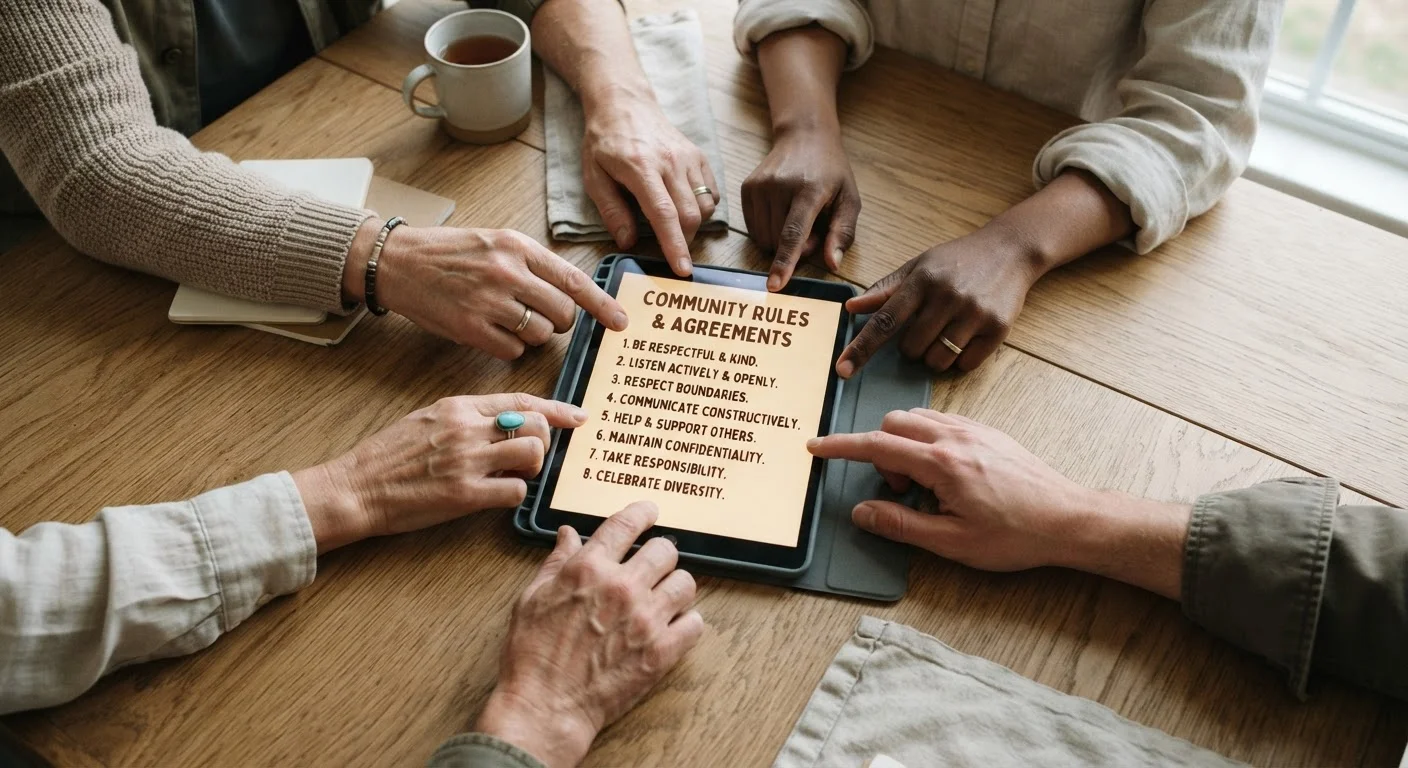
High-profile incidents of harassment online get widespread coverage, which makes toxic behavior feel more universal than it is. In practice, communities built around specific interests - gardening, local history, tabletop games, parenting - tend to be tightly moderated and far less combative than open social media feeds. Moderators in many communities actively remove rule-breaking content and ban repeat offenders. The experience varies significantly by platform and community, but selecting spaces with visible rules and active leadership makes a meaningful difference.
Myth
You have to be an expert to participate. Beginners aren't welcome.
Fact
Most communities actively value questions from newcomers and explicitly create space for people at different knowledge levels.
Communities built around learning - language learning, amateur radio, home improvement, writing - depend on a steady flow of new members asking foundational questions. Without newcomers, communities stagnate. Many forums have dedicated beginner threads or channels precisely because experienced members want to help people get started. The assumption that you'll be ridiculed for not knowing something is more common than the reality of it happening in well-run spaces.
Myth
Online communities are only for young people or tech-savvy users.
Fact
Active online communities exist across every age group and skill level, covering interests that span generations.
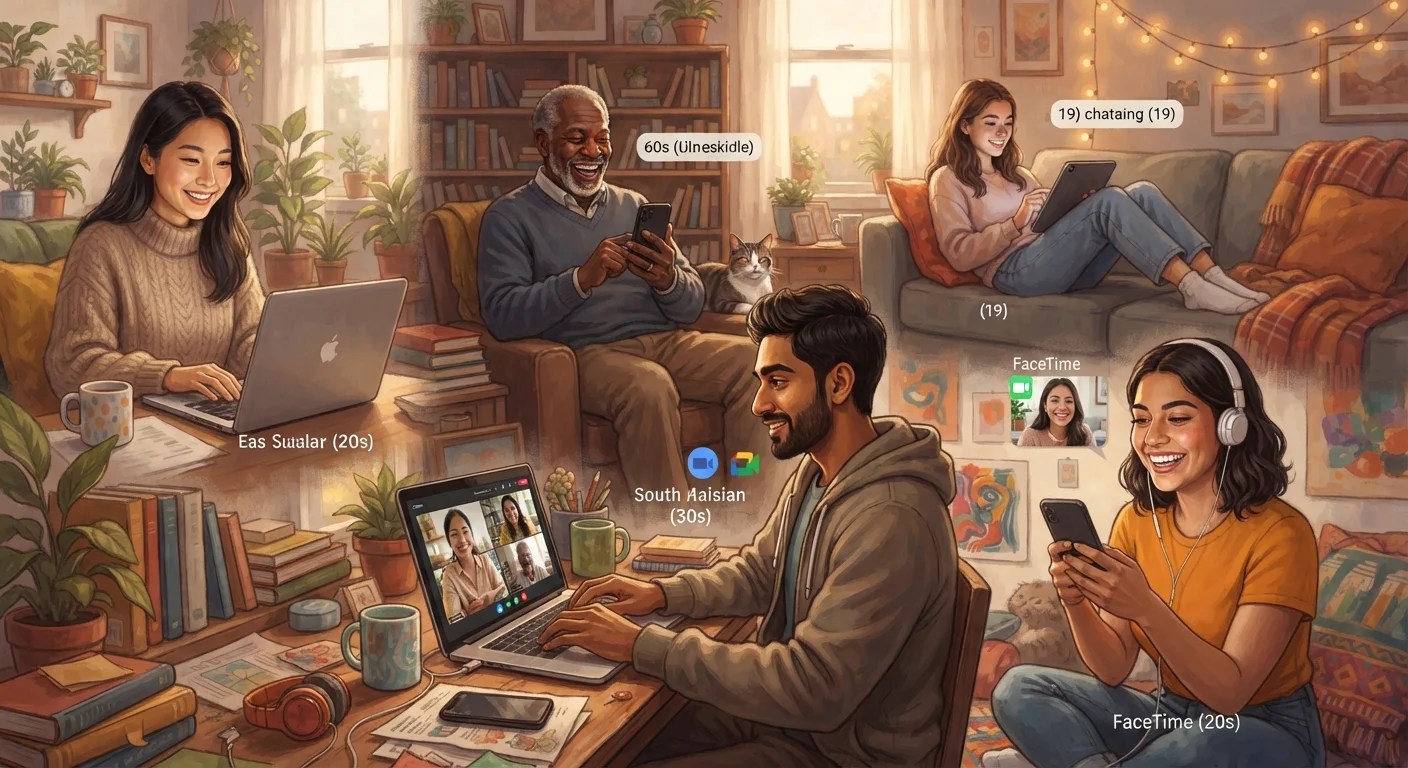
Thriving communities exist for genealogy, classic literature, vintage crafts, retirement planning, birdwatching, and nearly anything else you can think of. The demographic makeup of these groups reflects their subject matter, not some universal online-community profile. Plenty of spaces are designed specifically for older adults or people who don't consider themselves digitally fluent. The learning curve for basic participation - reading posts, replying, uploading an image - is lower than most people expect.
Myth
Lurking is rude. If you don't contribute, you shouldn't be there.
Fact
Lurking - reading without posting - is not only accepted but expected, and it's how most people start out.
Community researchers have long documented what's sometimes called a 90-9-1 pattern: in many online spaces, a small fraction of members create most of the visible content, while the majority participate by reading, observing, and occasionally voting or reacting. This is normal, not a problem. Reading before posting helps you understand the community's tone and norms, which makes your eventual contributions better received. Most community guidelines explicitly encourage new members to read first.
Myth
Everything you say online is anonymous, so there are no real consequences.
Fact
Online actions are rarely as anonymous as people assume, and community behavior carries real social consequences within those spaces.
Many platforms tie accounts to email addresses, phone numbers, or payment methods. Even pseudonymous accounts accumulate a history that moderators and other members can see. Beyond technical traceability, communities have their own social memory - how you behave shapes how people respond to you over time. Being unhelpful, dismissive, or dishonest tends to follow an account around within a community. For more on what digital anonymity does and doesn't protect, this piece on digital citizenship myths adds useful context.
What Getting Started Actually Looks Like
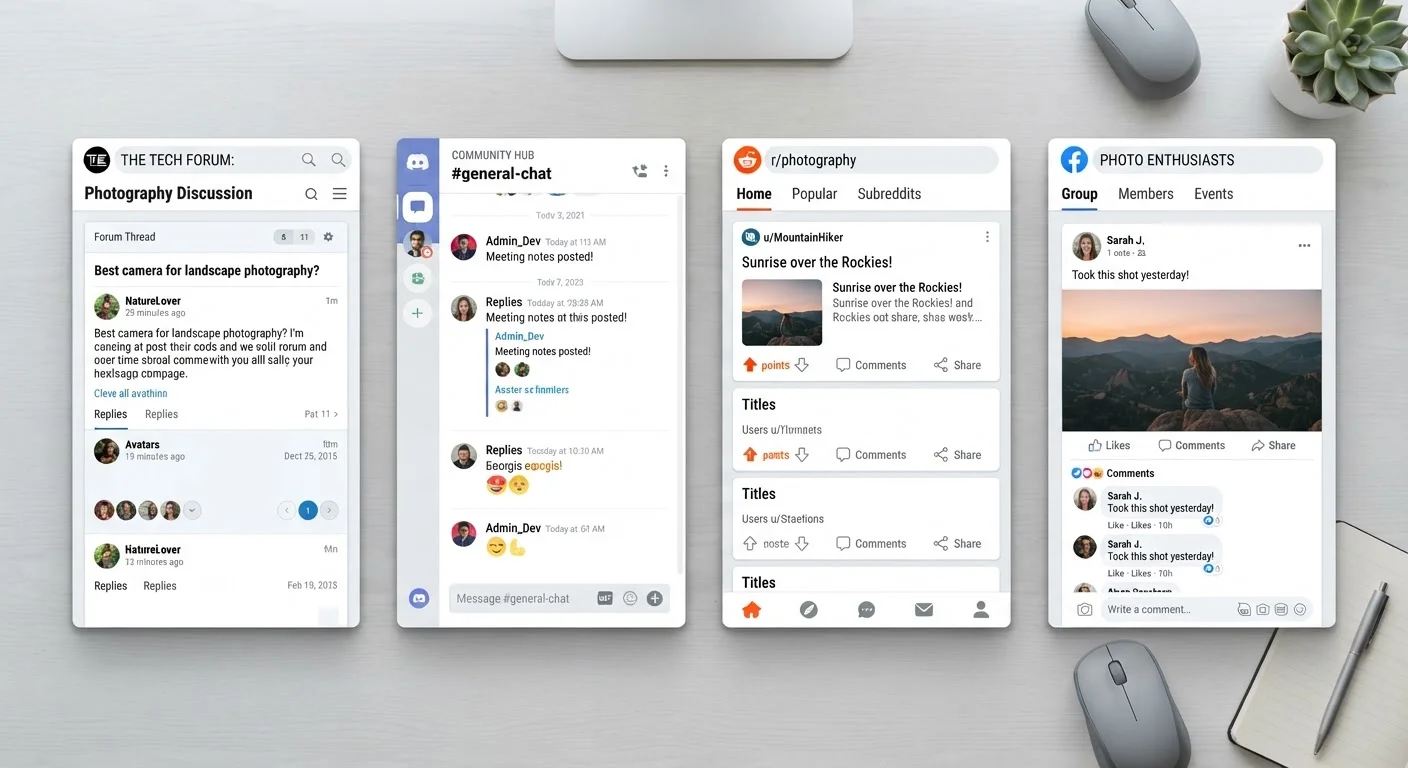
Joining an online community doesn't require a polished introduction or an established reputation. Most communities - whether they're forums, Discord servers, subreddits, or niche groups on other platforms - expect newcomers to read a bit before diving in. That's not a barrier; it's just how you get your bearings.
One concern people raise is timing: feeling like they need to be available constantly to stay relevant. That's rarely how it works. Real-time and asynchronous participation look very different, and the majority of communities operate on threads and posts you can read and respond to on your own schedule.
Not Every Community Is a Good Fit
While many online communities are well-moderated and welcoming, some are not. Before investing time in any space, check whether it has visible rules, active moderation, and a track record of treating members respectfully. If a community's existing conversations feel hostile or unwelcoming on day one, that's useful information - there are almost always alternatives covering the same topic.
If you want to understand what tends to trip newcomers up after they do join, this breakdown of common new-member missteps is a useful next read. The short version: most mistakes are minor and correctable, and communities that are worth your time expect an adjustment period.