Stage One: Formation
Every online community begins with a spark - usually one person or a small group who shares a strong interest, question, or need that isn't being met elsewhere. This founding moment sets the community's DNA: its tone, its purpose, and the unwritten rules that will govern behavior for years.
Early communities are characterized by high enthusiasm and a tight-knit feel. Because membership is small, conversations are personal and participation is easy to track. Founders often know every member by name. This period is energizing, but also fragile - if the early group doesn't find enough people who share the core interest, momentum stalls before it starts.
For a deeper look at where these communities take root, see types of online platforms that shape how people connect.
Starting Strong Matters More Than Starting Big
New community founders often focus on attracting large numbers quickly. In practice, a small group of genuinely engaged early members does more for long-term health than rapid but shallow growth. Prioritize depth of participation over raw member count in the early stages.
Stage Two: Growth
If the formation stage succeeds, a community enters rapid growth. New members arrive faster, threads multiply, and the community starts developing recognizable subgroups and recurring voices. This is often the most exciting phase from the outside - activity is high and the community feels alive.
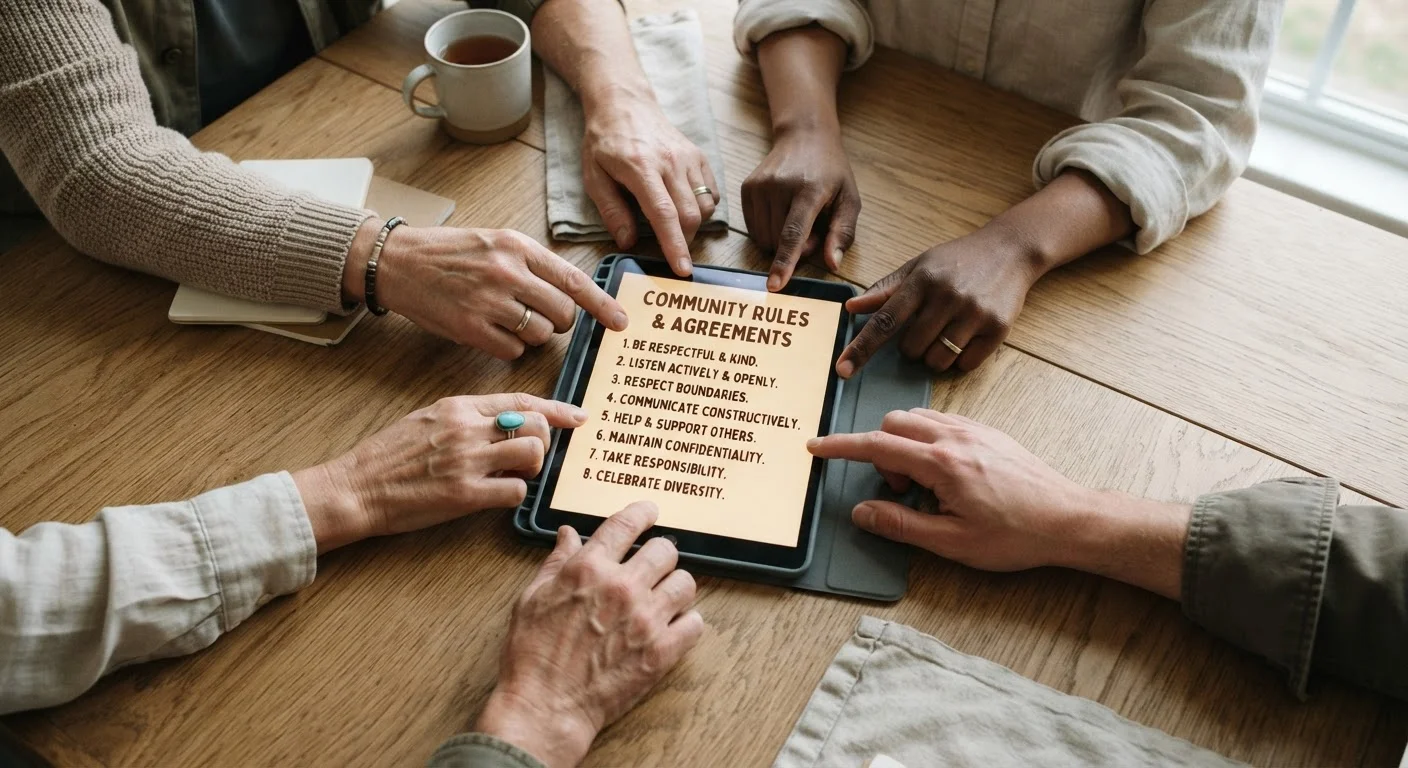
But growth introduces friction. As membership expands, the tight culture of the founding group gets diluted. Norms that were implicit now need to be explicit. Moderation becomes necessary, not optional. Conflicts arise between longtime members who remember how things used to be and newcomers who have different expectations.
How a community navigates this tension largely determines whether it reaches maturity or collapses under its own weight.
90%
Members who read but rarely post
Research on online communities consistently finds that roughly 90% of users are 'lurkers' - they consume content without actively contributing, a pattern that shapes how community growth is measured.
1-3%
Share of members who create most content
The '1% rule' in online participation suggests a small fraction of a community's members generate the majority of posts and discussions, making active contributor retention critical.
~3 years
Median active lifespan of small online communities
Community researchers have observed that many smaller, niche online communities reach peak activity within their first few years before entering a slow decline phase.
Stage Three: Maturity
A mature community has established routines, recognized leaders, and a stable membership base. Content quality is often at its peak - the community has developed enough shared knowledge to produce genuinely useful discussions. New members can find answers to longstanding questions, and regulars provide continuity.
The challenge at this stage is sustaining engagement. Participation may plateau or gradually slow. Moderators and organizers face burnout. The most active founding members sometimes move on, leaving a leadership vacuum. Communities that fail to develop the next generation of engaged contributors often begin a slow slide toward decline from this point.
If you're participating in a community at this stage, managing your involvement sustainably becomes especially relevant.
Stage Four: Decline - and What Comes After
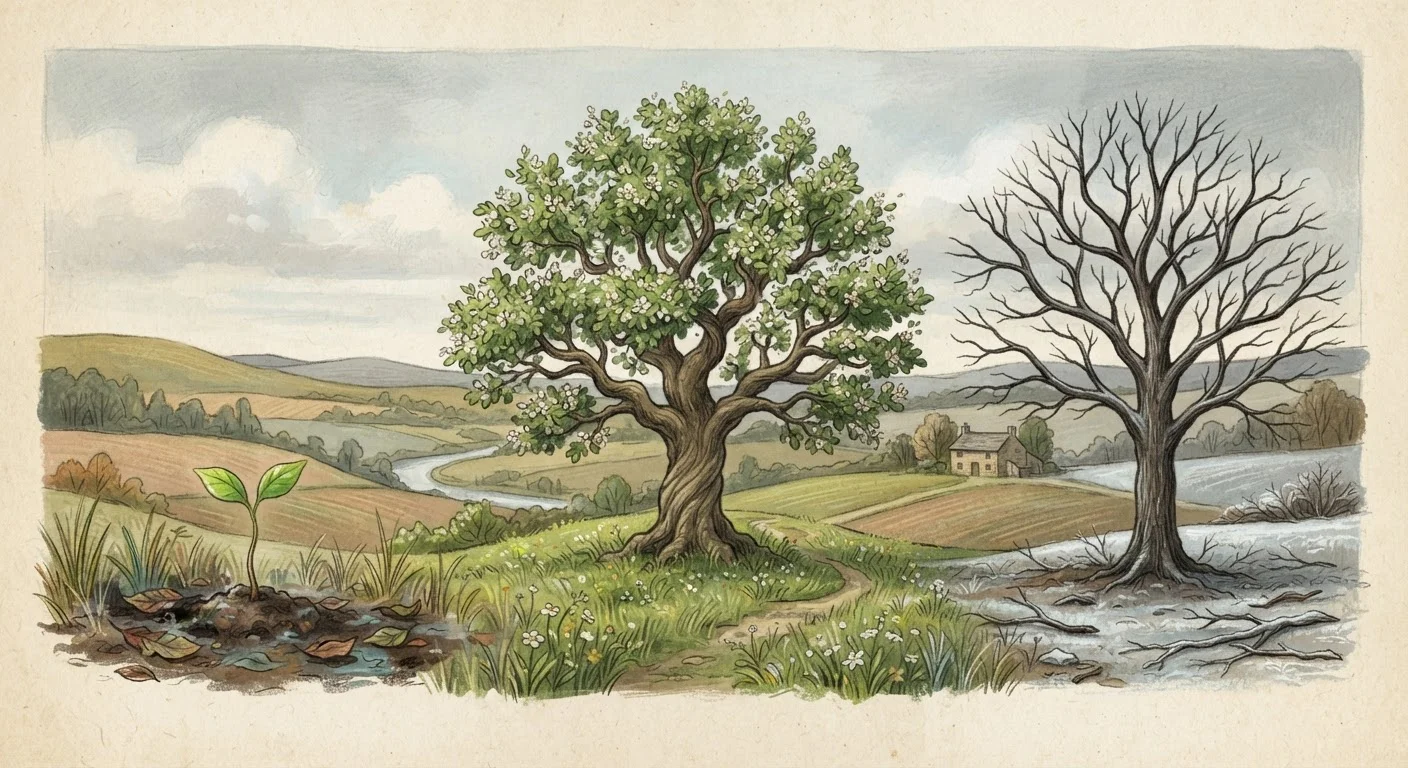
Decline doesn't always arrive dramatically. More often, it's gradual: post frequency drops, familiar voices go quiet, and new members find the culture confusing or unwelcoming. Sometimes an external shock - a platform policy change, a controversial event, or the rise of a competing community - accelerates the process.
Not all decline ends in dissolution. Some communities successfully reinvent themselves, attracting new leadership or shifting their focus to stay relevant. Others slow to a near-standstill but persist as archives of useful knowledge, continuing to serve readers who find them through search engines long after active posting has ceased.
For readers thinking about how they personally fit into these phases, the full picture of online participation covers community norms, conflict, and long-term involvement in depth.
Decline Looks Different Across Platform Types
How decline manifests depends heavily on the platform. A forum may show declining post counts, while a social media group might see falling engagement rates or algorithm deprioritization. Understanding the specific signals on your platform helps you recognize which stage a community is in. For context on how platform type shapes community dynamics, see different types of online platforms.