The First Pull: Why People Show Up
The most common reason someone joins an online community is simple: they had a question and found a place with answers. A new gardener searches a problem and lands in a gardening forum. A parent of a newly diagnosed child finds a support group within hours. These initial moments are driven by instrumental motivation - needing something specific, whether that's information, advice, or a solution.
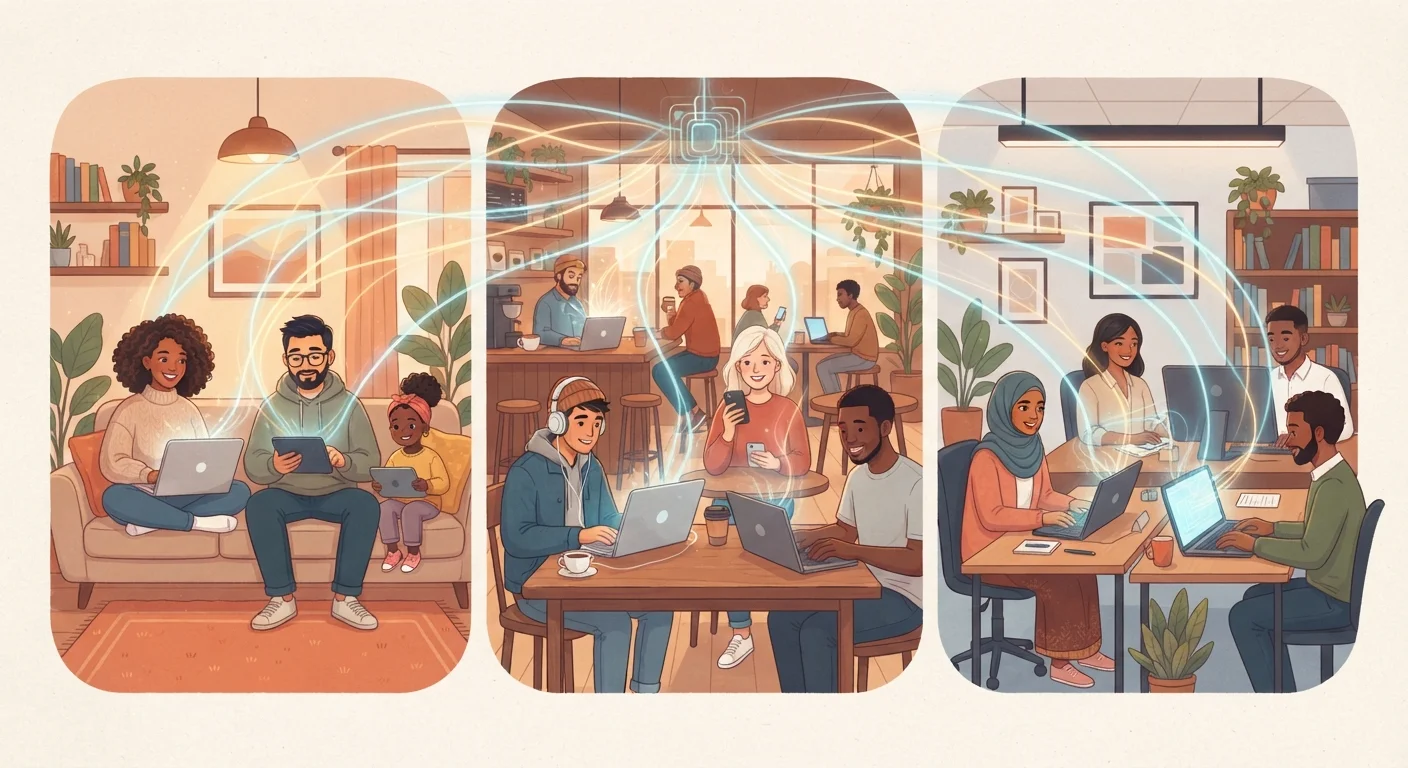
But need isn't the only entry point. Some people arrive because they feel isolated in their offline lives. A person with a niche interest - say, vintage radio restoration or competitive puzzle-solving - may find almost no one nearby who shares it. Online, that same person can find hundreds of enthusiastic peers. This is one reason communities built around hobbies tend to be particularly sticky: the interest itself is the bond, and the internet removes geography as a barrier.
See our overview of what defines an online community for a closer look at what separates true communities from casual gatherings.
76%
U.S. adults who use at least one online group or community
According to Pew Research Center survey data on Americans' online social experiences.
90%
Typical share of lurkers in most online communities
The '90-9-1' rule of online participation, widely referenced in internet research, estimates roughly 90% of members observe without posting.
Top reason
Shared interest cited as primary motivation for joining
Multiple surveys of online community members consistently rank shared interest or hobby as the most common reason for initially joining a group.
What Keeps People Coming Back
Joining is easy. Staying is harder - and more telling. Research into online participation consistently finds that the shift from occasional visitor to regular member hinges on one factor above most others: a sense of belonging.
When someone feels recognized - even just acknowledged in a comment thread - they're more likely to return. When they see their contributions matter, or when they start to know the regulars by name, the community stops feeling like a website and starts feeling like a place. That distinction is significant. A place has social stakes. You don't want to disappoint the people there.
Identity also plays a major role. Many communities become part of how members describe themselves. Being a member of a particular running group, book club, or professional community shapes how people see their own interests and values. That kind of identity investment is hard to walk away from.
For a fuller picture of how engagement deepens over time, see how online participation evolves from entry to long-term involvement.
A first-time homeowner joins a local neighborhood forum after a pipe bursts and they need a plumber recommendation fast.
Someone living with a chronic illness finds a private Facebook group for people with the same diagnosis and begins reading others' experiences.
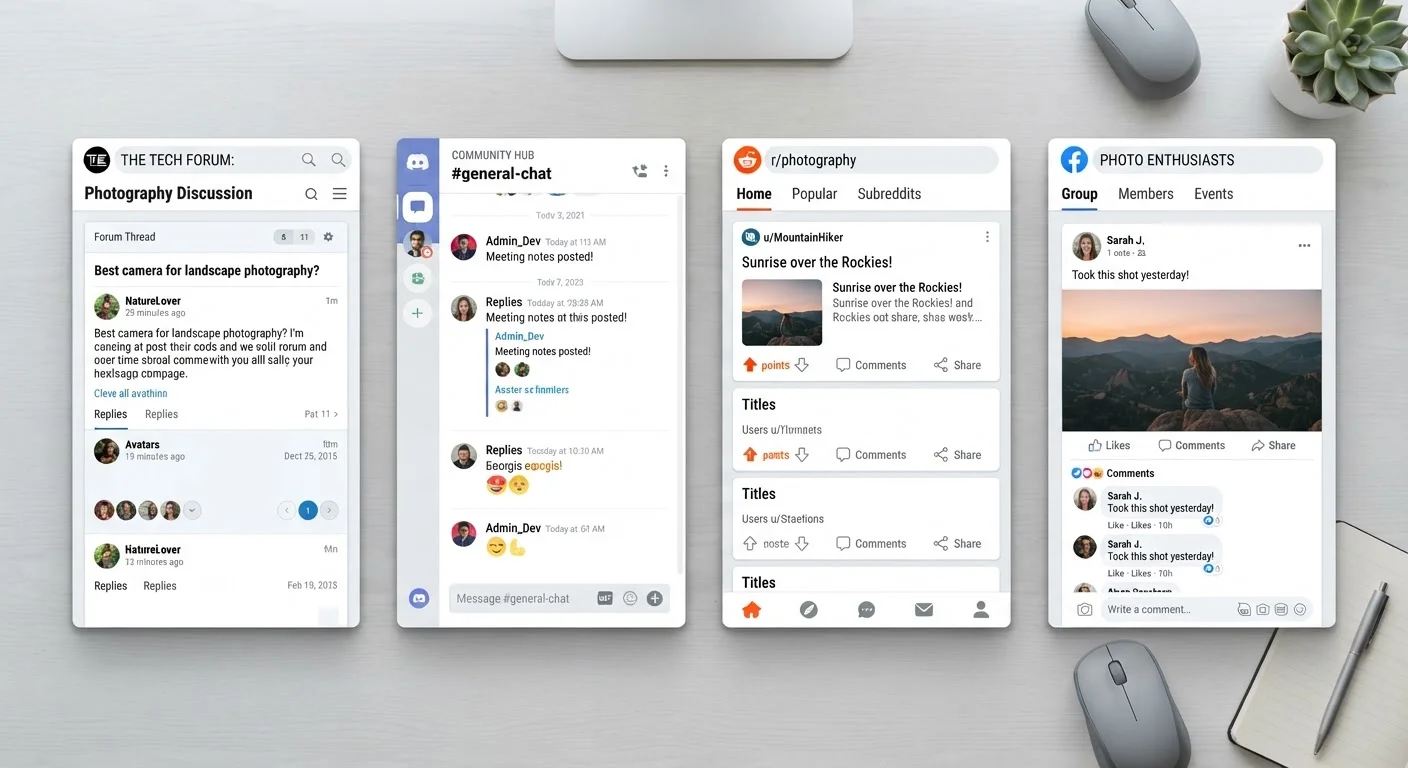
A hobbyist woodworker joins a Reddit community, asks a question about joinery, and receives detailed, respectful replies from experienced members.
A reader joins an online book club hosted on Discord, participates in a monthly discussion, and is later invited to co-host a session.
The Structure That Makes Staying Feel Safe
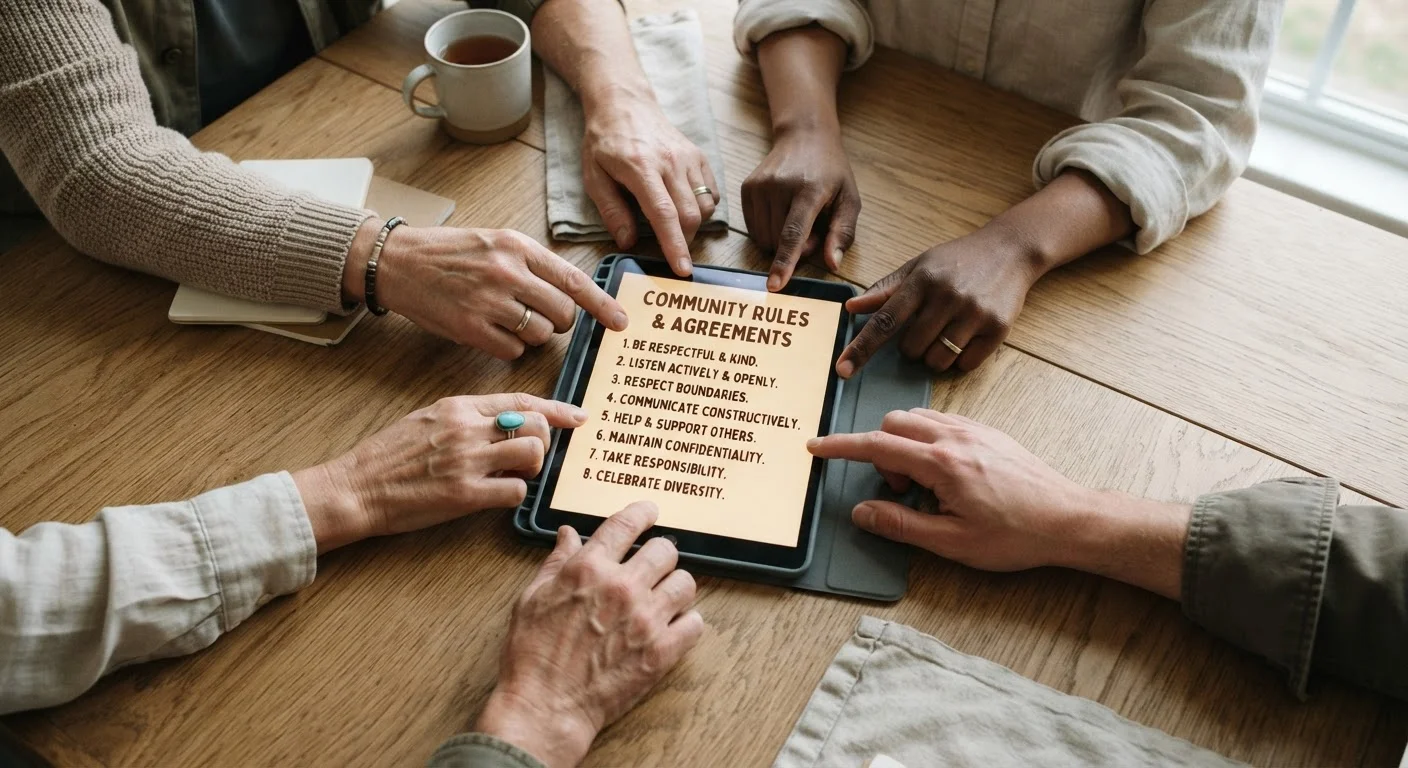
Belonging doesn't happen in a vacuum. It develops when the environment feels predictable and fair. Communities with clear norms - expectations about how people treat each other, what topics are welcome, and how disputes get handled - tend to retain members better than those without them.
This is why the roles people play within a community matter so much. Moderators set tone. Veteran contributors model behavior. Even lurkers, by reading without disrupting, help establish a sense of audience and accountability. Every participant type contributes to the ecosystem, whether or not they realize it.
Learn more about the different participant types in online communities and how each one shapes the group's culture.
Trust is the underlying currency. When members trust that bad behavior will be addressed, that their data is handled reasonably, and that the community won't suddenly change into something unrecognizable, they invest more of themselves in it. That investment - emotional, social, sometimes even creative - is what transforms a platform into a community people genuinely value.
Start by Observing Before You Post
If you're new to an online community, spending a week or two reading before participating is a widely recommended practice. It helps you understand the group's norms, tone, and recurring topics - so your first contribution lands well. Most communities are more welcoming to newcomers who've done this groundwork.