A Group Chat Isn't Automatically a Community
The internet is full of groups - chats, forums, feeds, servers, pages. But not all of them are communities in any meaningful sense. What separates a true online community from a random cluster of accounts?
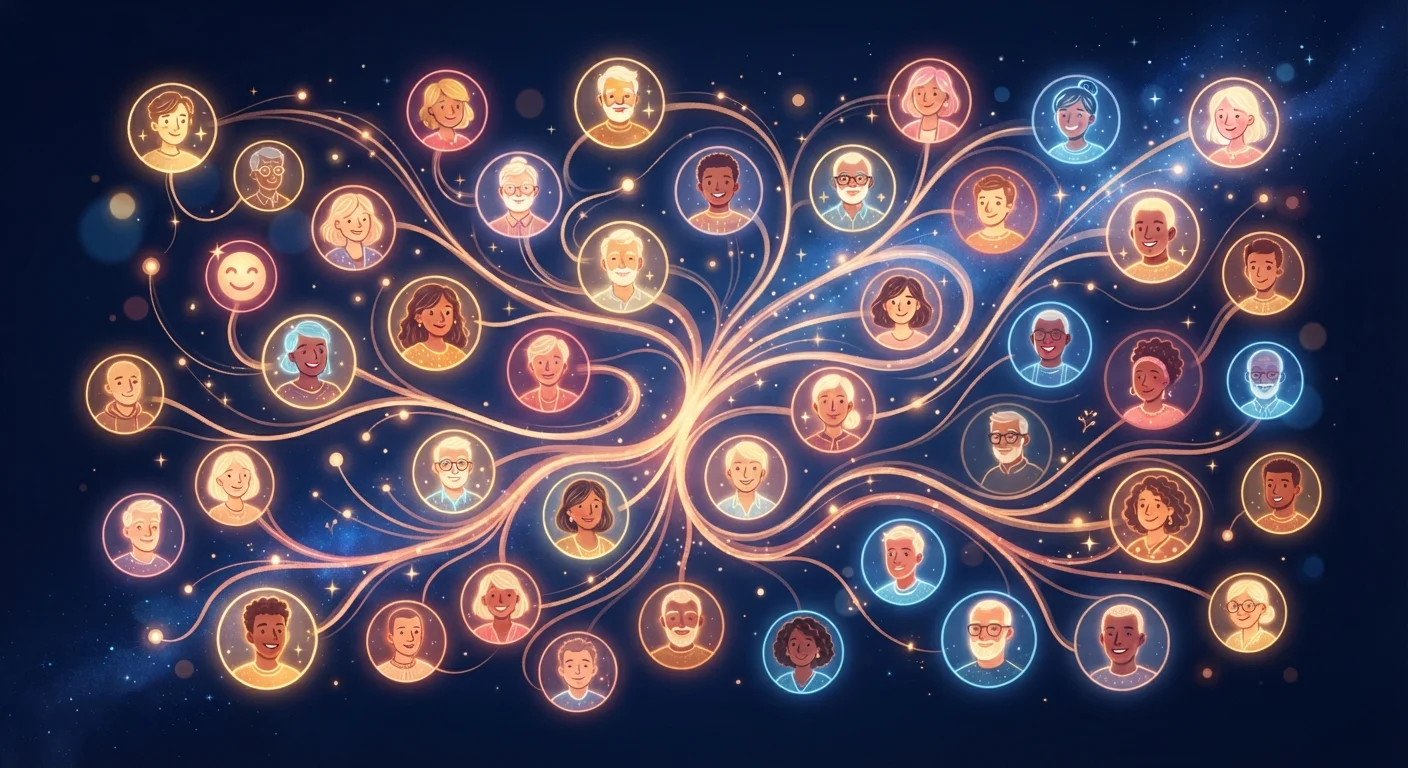
The simplest answer: relationship. A community forms when people don't just share a space, but actually connect with each other over time. They respond to one another, recognize familiar names, and feel some stake in what happens there.
Think about the difference between a supermarket and a neighborhood. Both bring people to the same location. But a neighborhood involves repeated contact, mutual recognition, and a sense that what happens there affects everyone in it. Online communities work the same way.
Lurkers Count Too
Not everyone in a community posts actively. Many people read, observe, and absorb without contributing directly - a behavior known as "lurking." Research suggests that the majority of online community members lurk at least some of the time. Lurkers still benefit from and contribute to a community's vitality by providing an audience that motivates active contributors.
The Core Elements That Define an Online Community
Researchers and community practitioners generally point to a few key ingredients that separate a genuine community from a looser gathering:
- Shared interest or purpose: Members come together around something specific - a hobby, a cause, a profession, a life situation. This common ground is what brings them to the same place and gives their interactions meaning.
- Ongoing, reciprocal interaction: Community isn't just posting into the void. Members respond to each other, build on each other's ideas, and develop relationships over multiple exchanges - not just one-off comments.
- Mutual recognition: Regular members become familiar with each other, even across usernames and avatars. There's a sense of "I know you from here."
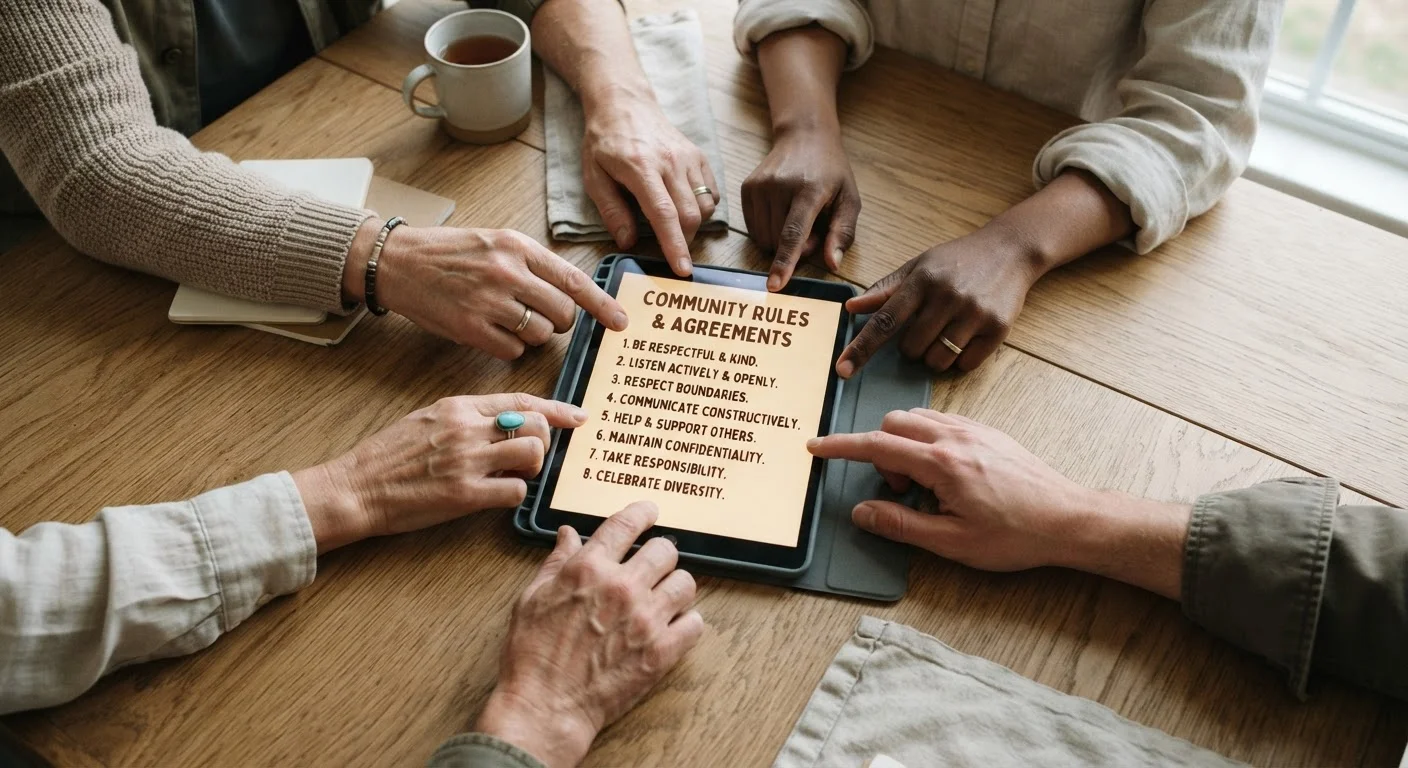
- Shared norms: Every community develops informal rules about what's acceptable, what's valued, and how to treat each other. These often emerge organically before any written rules exist.
- A sense of belonging: Members feel they're part of something. This sense of membership - even loosely - is what distinguishes a participant from a passerby.
76%
Adults who have participated in an online group or community
According to Pew Research Center survey data, a large majority of American adults have taken part in some form of online group activity.
3-5 years
Typical timeframe for a stable online community to mature
Community researchers generally observe that it takes years of consistent participation before group norms and culture become well established.
These elements don't all appear instantly. Communities grow and develop over time, which is why early-stage groups can feel uncertain while more established ones feel like home.
Why Platform Doesn't Determine Community
It's tempting to define online communities by where they live - a subreddit, a Facebook Group, a Discord server. But the platform is really just infrastructure. The community is the people and the relationships inside it.
The same Reddit format can host a thriving, tightly knit group of woodworking enthusiasts and a half-abandoned page that nobody posts in anymore. What makes one a community and the other just a page isn't the software - it's the sustained human connection.
That said, platforms do shape the kind of community that can form within them. Some favor real-time conversation; others work better for long-form discussion or asynchronous sharing. See our overview of major online platforms for a sense of how different environments support different kinds of connection. And if you're curious how specific platforms compare, this breakdown of forums, Discord, subreddits, and Facebook Groups walks through the key differences.
When a Group Becomes Something More
There's no single moment when a group tips into being a community. It's a gradual process. Early on, a group might feel transactional - people asking questions and getting answers, nothing more. Over time, if the same people keep showing up and engaging, something shifts. Inside references develop. Regulars start welcoming newcomers. Members begin to look out for the group itself, not just their own posts.
That shift - from using a space to caring about it - is the heart of community.
Understanding this helps explain why some online groups feel warm and alive while others feel hollow even with thousands of members. Community isn't a feature you switch on. It's something that grows through repeated, genuine human interaction.
If you're ready to explore what makes communities function internally - roles, rules, and shared purpose - see our article on the anatomy of an online community. Or if you're looking to join one for the first time, our guide on getting started in your first online community is a good next step.
“A group becomes a community when members start to feel responsible for each other, not just interested in the same thing.”
— Howard Rheingold, Author and early theorist of virtual communities