
Why Participation Habits Matter
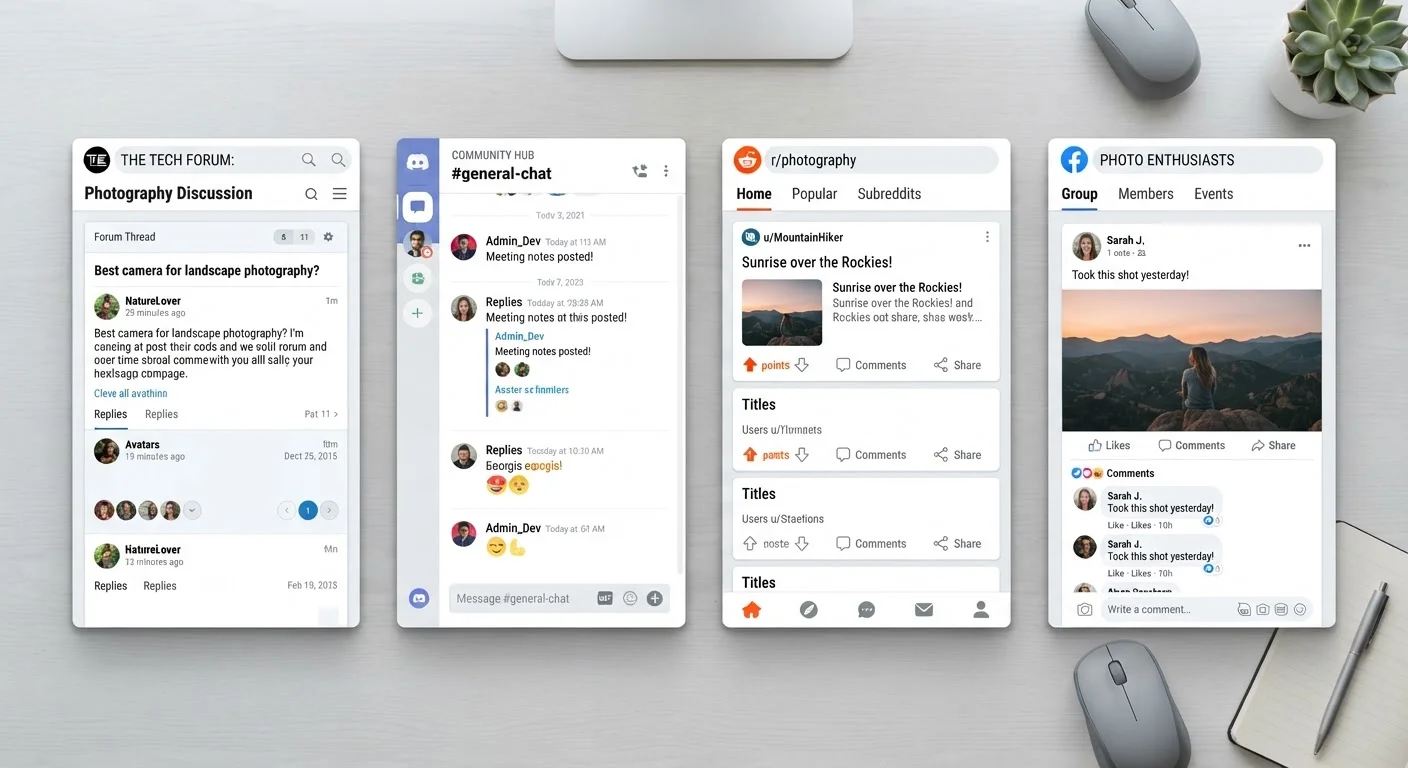
Online communities are only as healthy as the habits their members bring. A single forum, subreddit, Discord server, or Facebook group can be a genuinely useful resource or a frustrating place to avoid - and the difference usually comes down to how people choose to show up.
That's not abstract. Research on online group dynamics consistently finds that community health is shaped more by everyday member behavior than by any platform feature or moderation policy alone. Understanding how communities are structured helps, but the real work happens at the individual level.
The principles below aren't rules handed down from above. They're habits that experienced, well-regarded community members tend to share - and that newcomers can start practicing right away.
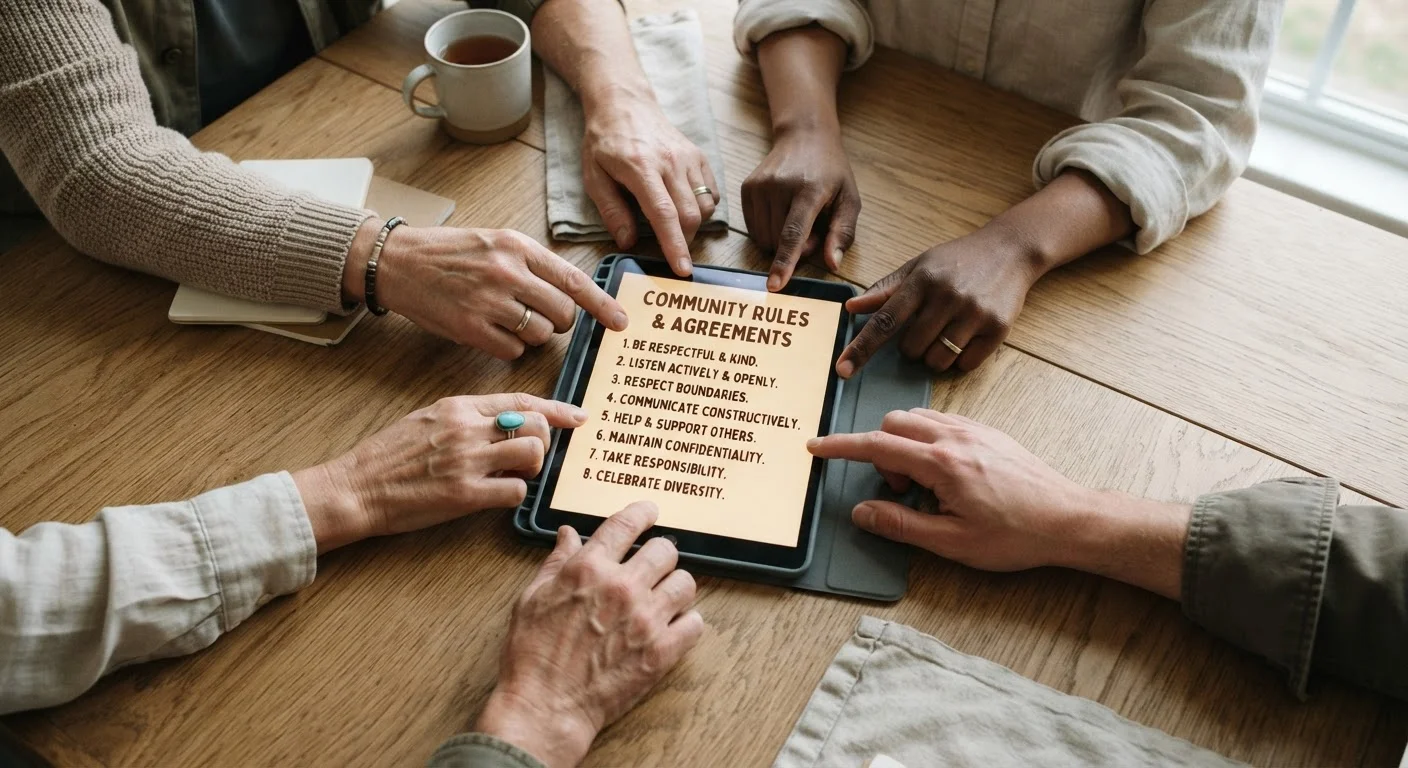
Read the community rules before you post anything.
Every community has norms - some written, some unspoken. Ignoring them, even unintentionally, signals that you haven't bothered to understand the space. Community guidelines exist for specific reasons and reading them saves you from avoidable friction on your first day.
Contribute value before making requests.
Communities notice members who only show up to ask for help. Offering something first - an answer, a resource, genuine encouragement - establishes you as someone worth helping in return. This is basic social reciprocity applied to a digital context.
Be specific and complete when asking questions.
Vague questions waste other people's time and often get ignored. A well-formed question that includes context, what you've already tried, and exactly what you need gets faster, more useful answers - and shows respect for the volunteers answering.
Acknowledge and credit others' contributions.
Community goodwill is built on recognition. When someone helps you, saying so publicly encourages more of that behavior and signals that the community is a rewarding place to contribute. Silence after receiving help is a subtle but real discouragement.
Stay on topic for the community's stated purpose.
Communities form around a shared focus. Consistently off-topic posts dilute that focus, frustrate members who joined for a specific reason, and can shift a community's culture in ways that drive out its most knowledgeable contributors.
Assume good faith until you have real evidence otherwise.
Tone is notoriously hard to read in text. A blunt reply often reflects someone's communication style rather than hostility. Treating ambiguous messages charitably prevents unnecessary conflict and models the kind of culture most members want to be part of.
Practices That Make You a Better Community Member
These habits apply across nearly every type of online community, from hobbyist forums to professional networks to local neighborhood groups.
It's also worth knowing that even well-meaning participation can go sideways. Common missteps frustrate communities even when the person making them had good intentions - so pairing these practices with an awareness of what to avoid gives you a real edge.
Handling Disagreement and Conflict
No community stays friction-free forever. Disagreements happen, misunderstandings pile up, and strong opinions clash. The question isn't whether conflict will arise - it's how you handle it when it does.
“The health of an online community is a collective responsibility. Moderation sets the floor, but members set the ceiling.”
— Howard Rheingold, Author and pioneer researcher of virtual community dynamics
The most durable online communities normalize respectful pushback while making personal attacks clearly unwelcome. If you disagree with someone, address the argument, not the person. If a conversation is heating up, it's often smarter to step away than to escalate. Constructive disagreement is a learnable skill, and it's one that community members notice and appreciate.
When something genuinely violates community standards, use the report tools rather than calling out the person publicly. This keeps moderation efficient and avoids pile-ons that often do more harm than the original offense.
Sustaining Your Participation Over Time
Healthy participation isn't just about individual posts - it's about showing up consistently in a way that's sustainable for you. Many people start enthusiastically and burn out within weeks, which doesn't serve them or the community.
1-9-90
Typical online community participation split
The "1% rule" - a well-documented pattern in online communities - suggests roughly 1% of members create content, 9% comment or engage lightly, and 90% lurk without posting.
~75%
Users who report harassment affects their platform use
According to Pew Research Center surveys on online harassment, a large majority of Americans who have experienced or witnessed harassment say it influences which online spaces they choose to participate in.
Setting realistic limits on how much time and energy you invest protects both your well-being and the quality of your contributions. Sustainable engagement habits are worth building early. And if you're curious about the broader arc of community involvement - from first post to long-term member - the full picture of online participation is a useful resource to explore.
Open vs. Private Communities Have Different Norms
The principles above apply broadly, but the specific culture of a community also depends on how it's structured. A public forum open to anyone operates differently from a private group with an application process. How access shapes community culture is worth understanding before you adjust your participation style to fit a new space.