What We Mean by Creative Arts
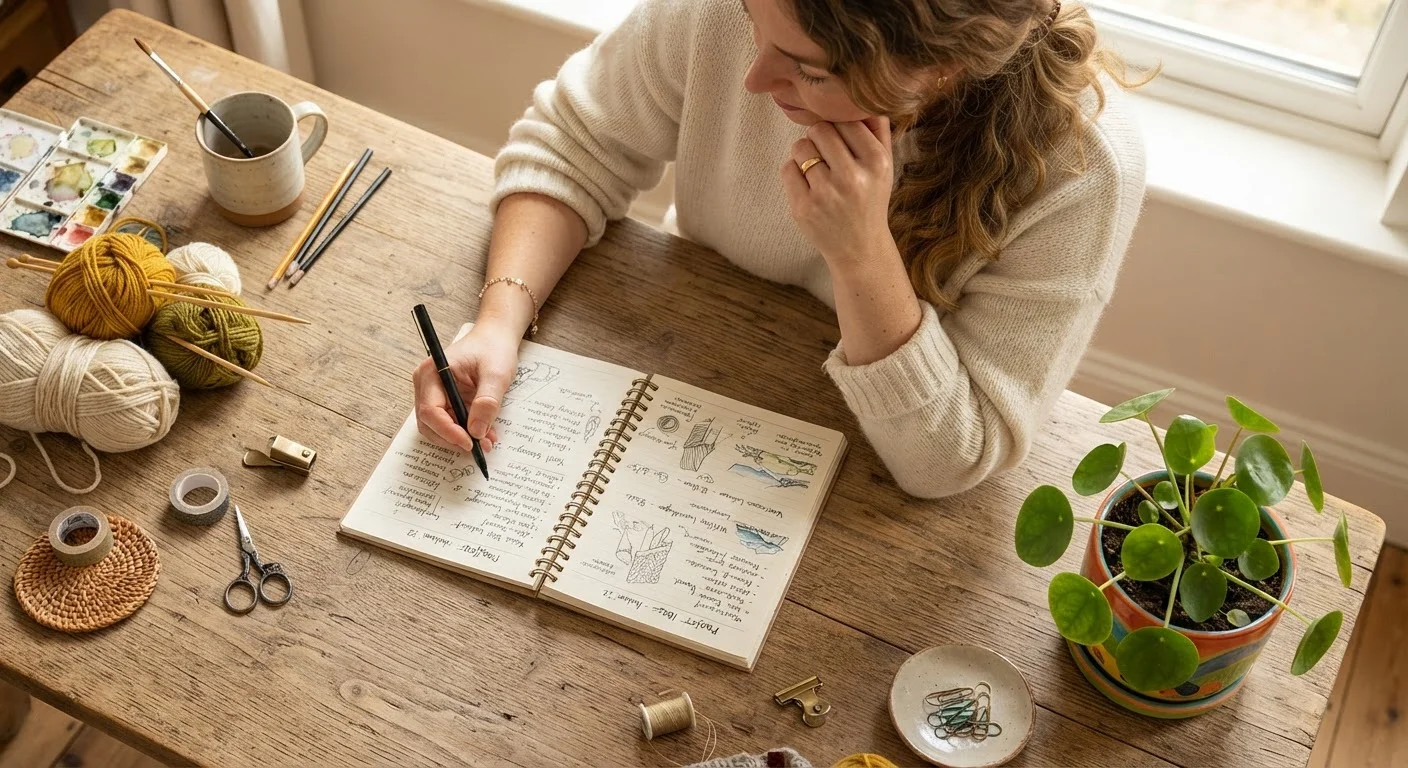
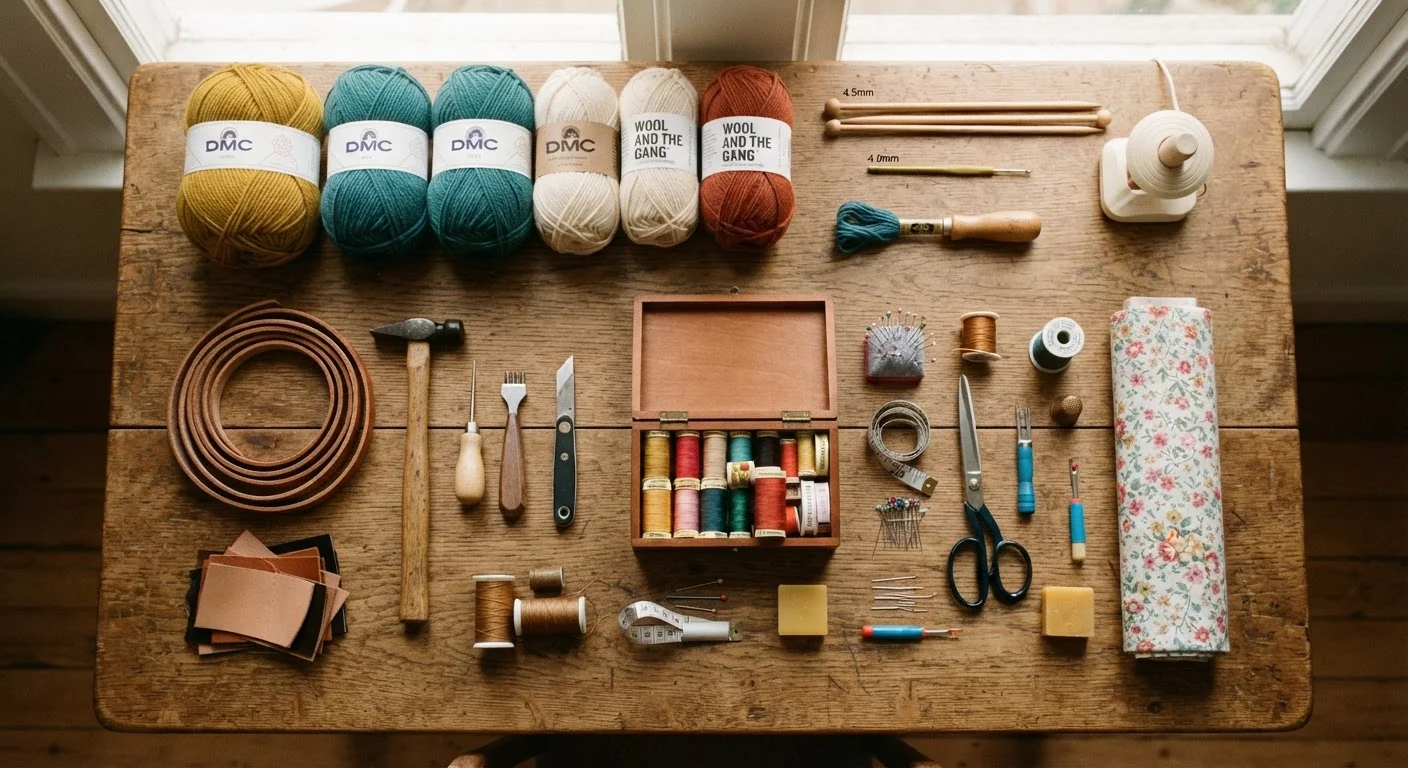
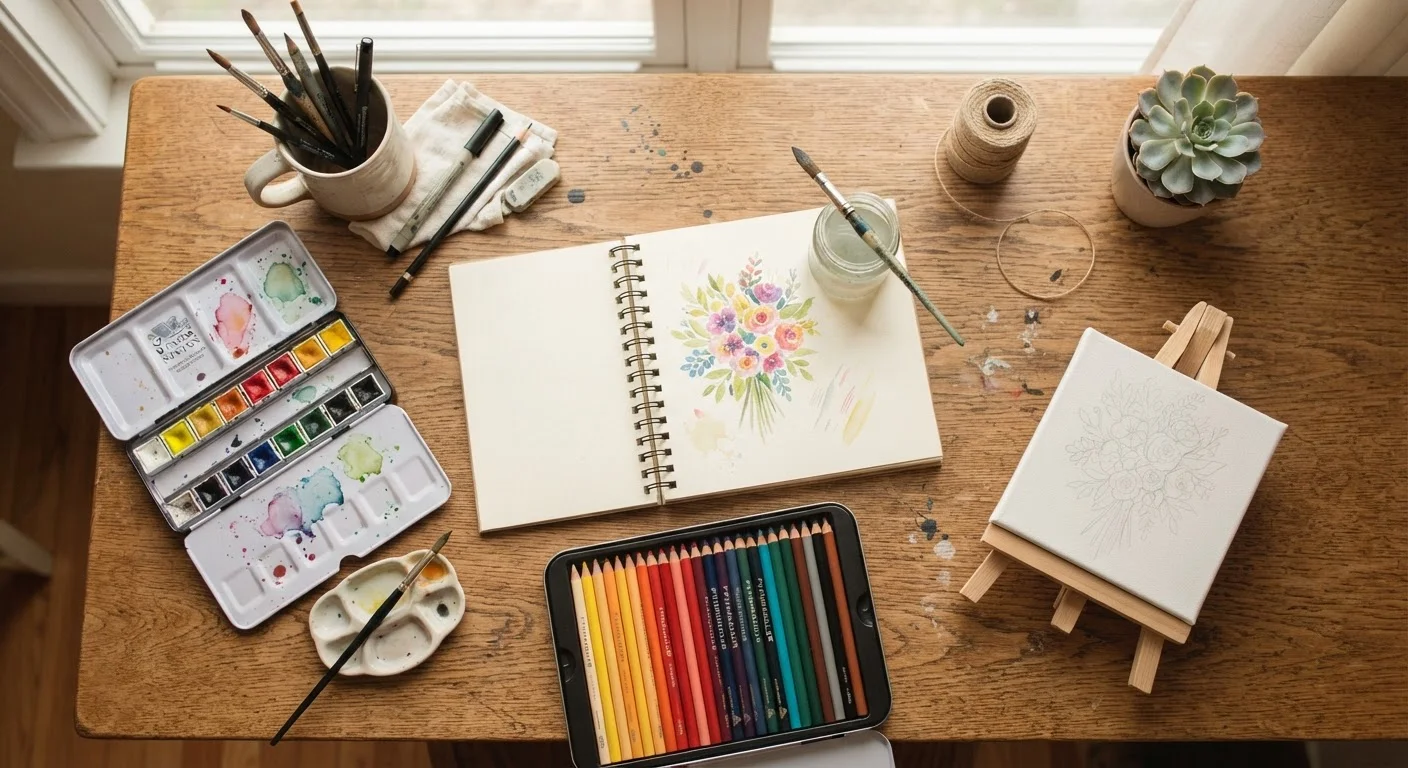
The term creative arts covers a broad, sometimes overlapping landscape of human-made expression. It includes visual arts like drawing, painting, and printmaking; fiber arts such as knitting, weaving, and embroidery; three-dimensional crafts like ceramics and woodworking; and increasingly, digital disciplines including illustration, animation, and photography. Even bookbinding, calligraphy, and paper crafts fall within this umbrella.
What connects these disciplines isn't a shared tool or technique - it's the act of making something intentionally, with some degree of personal creative input. That's a meaningfully different orientation from purely skill-based hobbies, and it's part of what makes creative arts both rewarding and, at times, emotionally challenging.
For a fuller picture of how these disciplines are organized and what makes each distinct, see our overview of creative arts hobbies. Understanding the landscape helps you make a more informed choice about where to begin.
Finding the Right Medium for You
One of the most common mistakes beginners make is choosing a medium based on what seems impressive rather than what genuinely appeals to them. Watercolor painting looks beautiful in tutorial videos, but if you dislike working with water-sensitive materials or need clean, crisp lines, oil pastels or pen-and-ink illustration might suit you better.
A few practical filters worth applying:
- Space: Some disciplines - pottery, large-scale painting - require dedicated space. Others, like sketchbook drawing or embroidery, travel well.
- Time commitment: Certain crafts like quilting involve long projects with slow visible progress. Others, like linocut printing, yield finished pieces relatively quickly.
- Physical comfort: Fine detail work requires good close-up vision and steady hands. Larger-format work may be more accessible for those with mobility considerations.
- Analog vs. digital: If you're drawn to screen-based tools, see our comparison of analog and digital creative arts for an honest look at both paths.
Trying two or three different media before committing is a reasonable approach. Many community centers and art studios offer single-session classes that let you sample before investing in supplies.
Try Before You Commit
Before purchasing a full set of supplies, look for single-session workshops at local art centers, community colleges, or craft stores. Many libraries also offer free access to basic art materials. A hands-on trial session often tells you more than hours of online research about whether a medium is right for you.
What to Realistically Expect as a Beginner
Most beginners experience what's sometimes called the taste-skill gap: your artistic sensibility - what you recognize as good work - develops much faster than your technical ability to produce it. This gap is normal, and understanding it helps prevent early discouragement.
Early creative work is typically characterized by uneven results: some pieces feel surprisingly satisfying, others are disappointing. This isn't a sign of lack of aptitude - it reflects the nonlinear nature of skill acquisition. Progress tends to be invisible for stretches, then suddenly noticeable.
If you find your output consistently falls short of your vision, our article on why early creative work looks different than imagined explains the mechanics behind this experience and how most practitioners move through it.
Setting reasonable goals helps. Rather than aiming to produce impressive work early on, focus on completing projects, building basic technique, and showing up consistently.
Building a Sustainable Practice
A creative hobby becomes genuinely rewarding when it stops feeling like a performance and starts feeling like a practice. That shift usually happens when you remove pressure around outcomes and build consistent habits around the making itself.
Practically, this means:
- Scheduling short, regular sessions rather than waiting for large blocks of free time
- Keeping materials accessible so starting feels low-effort
- Accepting that not every session will produce something worth keeping
- Tracking your own progress over months, not days
The question of whether to practice alone or with others is worth considering. Solo practice offers privacy to experiment freely; creative communities offer accountability, feedback, and connection. Our piece on solo vs. community creative practice explores how each shapes your development differently.
For a comprehensive end-to-end look at what sustaining a creative hobby actually involves over time, see our guide to building a lasting creative hobby.
Avoid Overloading at the Start
It's tempting to buy a wide range of supplies when enthusiasm is high, but beginners rarely use most of what they purchase early on. Starting with a focused, minimal set of materials keeps costs manageable and reduces decision fatigue. You can expand your toolkit gradually as you learn what you actually need.
Where to Go From Here
If you've read this far and feel ready to take a concrete next step, the most useful move is to narrow your options and prepare thoughtfully. Our guide to picking up a creative hobby without wasting time or money walks through how to assess your interests, budget, and learning style before you spend anything.
Before you buy supplies or sign up for a class, it's also worth running through our readiness checklist for new creative hobbies, which helps you think through goals, space, time, and budget in one place.
And if terminology is holding you back - if words like value, composition, or negative space feel unfamiliar - our glossary of creative arts terms is a useful reference to keep open as you learn.
Creative arts reward patience and curiosity in roughly equal measure. Starting is the hardest part - everything else follows from showing up.
Creative Arts Readiness Checklist
A structured checklist to help you think through goals, time, space, and budget before committing to a new creative art form. Useful for anyone who wants to start with a clear head.
Creative Arts Glossary
A plain-language reference covering the terms beginners most often encounter - from medium and composition to value and negative space - organized for easy lookup.
Local Community Art Centers
Community art centers often offer affordable single-session and multi-week classes across a range of disciplines. Searching for one in your area is one of the most practical first steps a beginner can take.