Revenue and Business Scale
In terms of raw financial power, the NFL sits at the top of American professional sports. The league generated approximately $18-19 billion in revenue in recent years, fueled primarily by its television rights deals - among the most lucrative in broadcast history. The NBA, while still a financial powerhouse, operates at a somewhat smaller scale, with league revenues estimated around $10 billion annually in recent seasons.
Both leagues earn income through a combination of national broadcast deals, merchandise, ticket sales, and sponsorships. The NFL's model leans heavily on television, where rights agreements with NBC, CBS, Fox, ESPN/ABC, and Amazon Prime Video collectively represent billions per year. The NBA's media agreements - spanning ESPN, Turner Sports, and a newer deal with Amazon and NBC - are also substantial, though the NBA's per-game audience is smaller.
| Criterion | NBA | NFL |
|---|---|---|
| Estimated Annual Revenue | ~$10 billion | ~$18-19 billion |
| Regular Season Games (per team) | 82 games | 17 games |
| Season Duration | October - June | September - February |
| Active Roster Size | 15 players | 53 players |
| Primary Broadcast Partners (recent) | ESPN, Amazon, NBC | NBC, CBS, Fox, ESPN, Amazon |
| International Reach | Very broad globally | Primarily North American |
| Average Game Length | ~2 hours 15 minutes | ~3 hours |
For a broader look at how these leagues fit into American sports culture overall, see our breakdown of the four major pro sports leagues.
Season Structure and Game Format
The structural difference between these two leagues is dramatic. NBA teams each play 82 regular-season games across roughly six months, followed by a playoff bracket that can extend into mid-June. This creates a marathon season where individual games carry less weight but fan engagement is nearly constant.
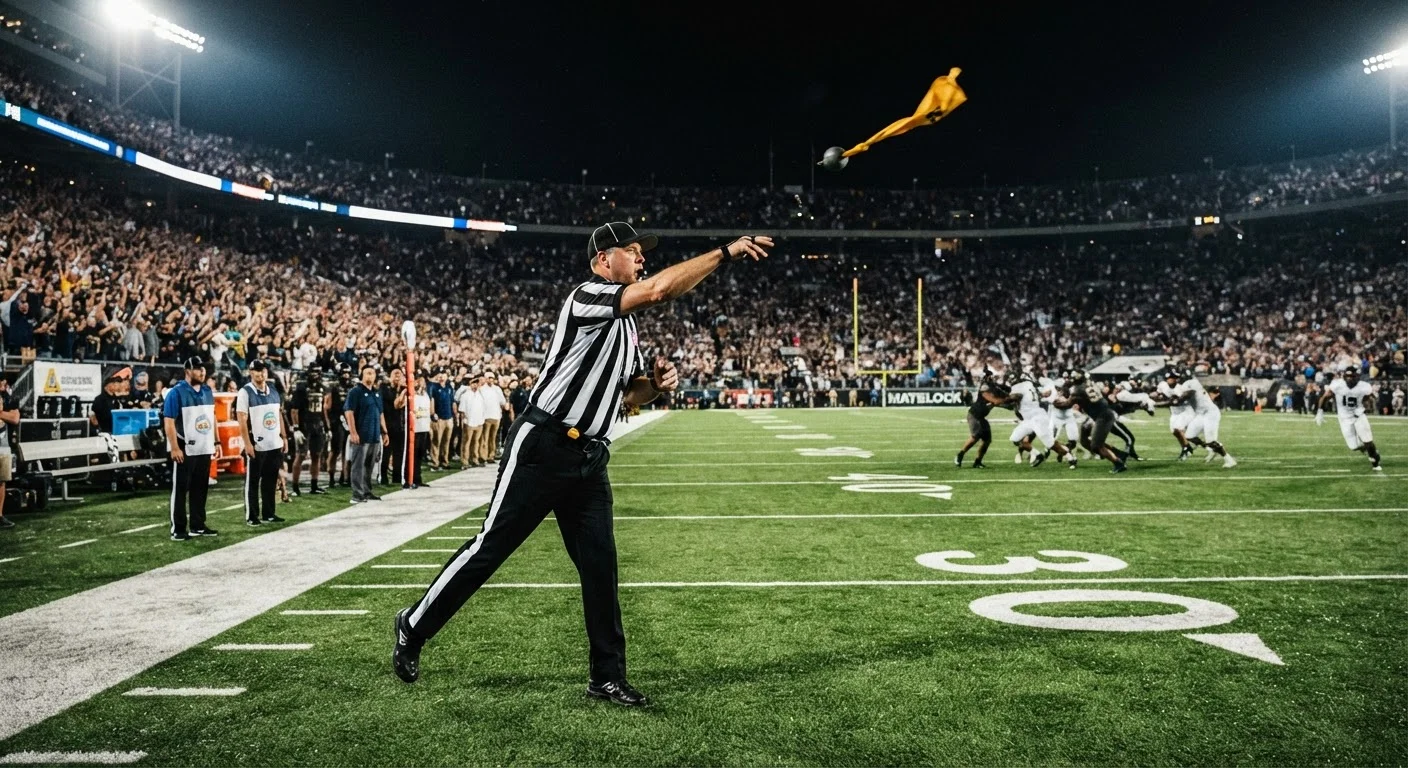
The NFL, by contrast, compresses its competition into 17 regular-season games per team - played almost entirely on weekends between September and January. Every game matters considerably more in terms of playoff positioning. The scarcity of NFL games is a deliberate feature; it's part of why each matchup feels like an event.
82
NBA regular-season games per team
Compared to 17 in the NFL, the NBA's schedule gives fans nearly five times as many games to follow each season.
~$18B
NFL estimated annual revenue
The NFL's revenue reflects the dominance of its television rights deals, which are among the largest in broadcast media history.
30
Teams in each league
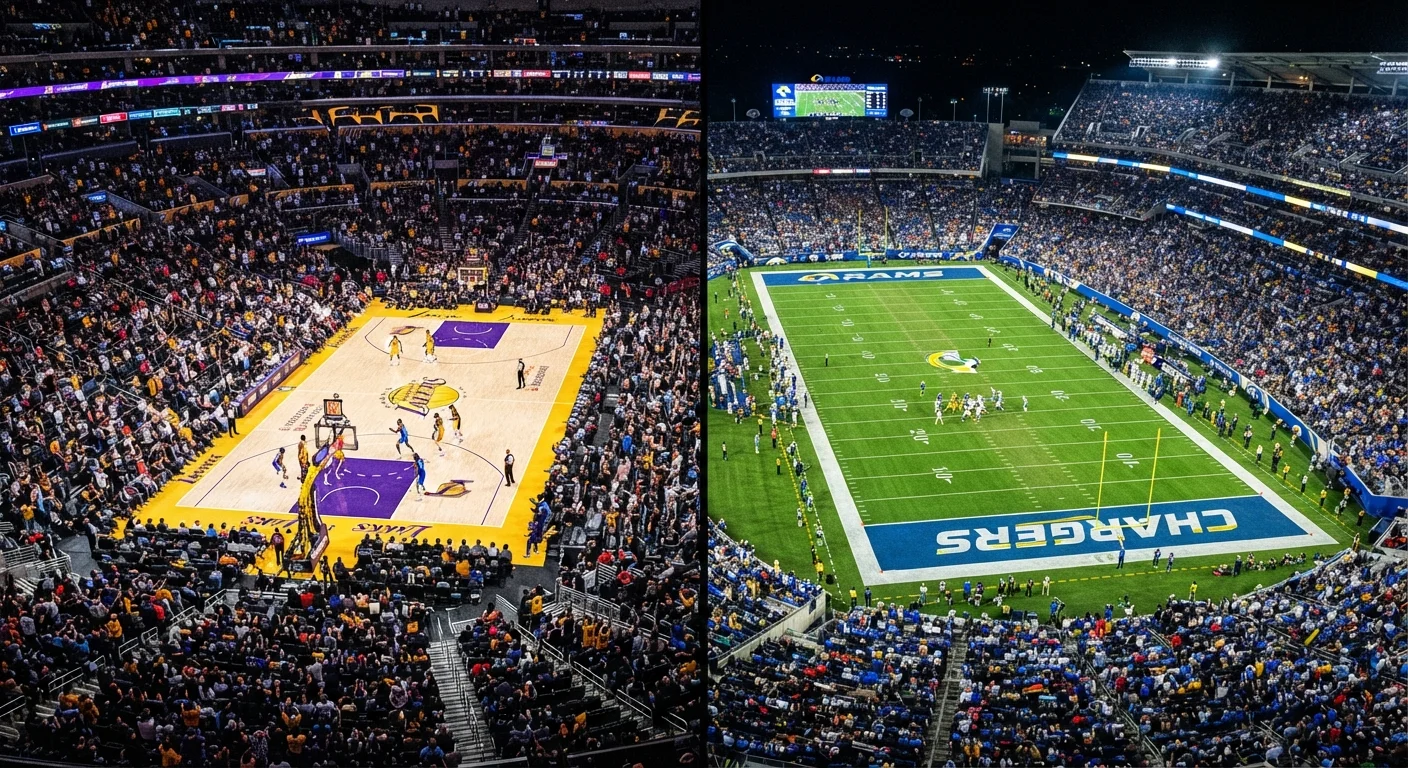
Both the NBA and NFL each field exactly 30 and 32 franchises respectively, spread across major markets nationwide.
Game format also differs meaningfully. An NBA game runs four 12-minute quarters with a fast pace - teams commonly score 100-120+ points. An NFL game uses four 15-minute quarters but includes frequent stoppages, timeouts, and replay reviews, making broadcasts run roughly three hours. For a breakdown of how each league handles tied games, visit our guide to overtime and tiebreaker rules.
Fan Culture and Cultural Footprint
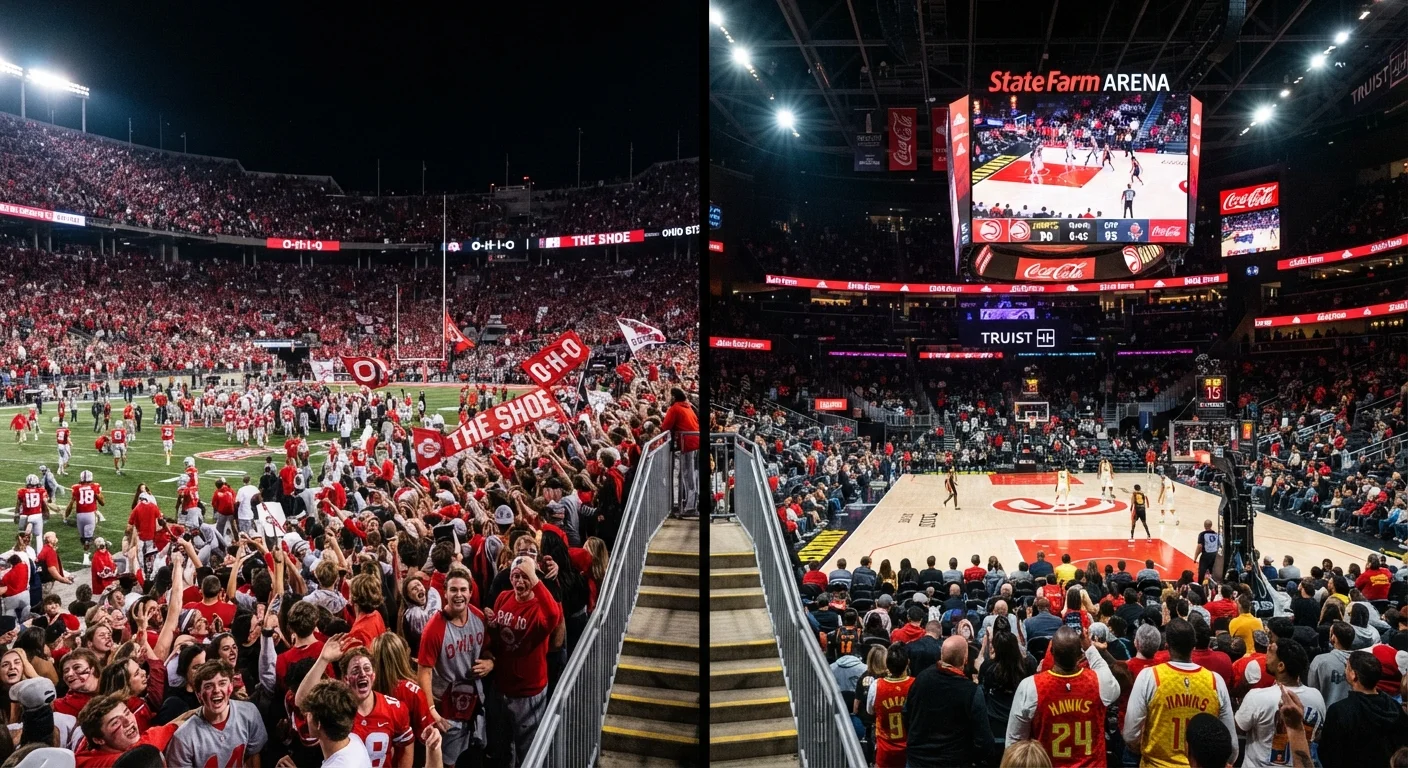
Fan culture in these two leagues reflects their structural differences. NFL fandom tends to be intensely regional and ritualistic - tailgates, fantasy football leagues, and weekly watch parties define the experience. The league's scarcity of games concentrates fan energy into a handful of annual moments per team.
NBA culture skews younger and is more intertwined with music, fashion, and celebrity. Player personas carry outsized cultural weight in basketball - individual stars drive storylines in ways more comparable to entertainment than traditional team sport fandom. The NBA also leads among major American leagues in international recognition, with widespread followings across Europe, Africa, and Asia.
See how fan culture compares across all four major leagues for a deeper look at what makes each league's community distinct. For those curious about grassroots sports participation beyond professional fandom, recreational sports participation in America offers useful context.
Roster Sizes Shape the Sport
The NFL's 53-man active roster reflects the sport's physical demands and specialized positions - offensive linemen, special teams units, and position-specific backups are all standard. The NBA's 15-man roster means every player is visible and individual contributions are easier to track. This structural difference shapes how fans follow and discuss each sport.