Why Fan Traditions Matter
American sports fandom is far more than watching a game unfold. The rituals fans practice - before, during, and after competition - have evolved into cultural institutions in their own right. Some traditions date back over a century; others emerged in a single memorable playoff run and never left. Together, they form the lived texture of what it means to root for a team.
As explored in what it actually means to be a sports fan, fandom is shaped by shared rituals as much as individual loyalty. The traditions below have proven especially durable - woven into stadium culture, broadcast history, and everyday fan identity across the country.
Tailgating Before the Game
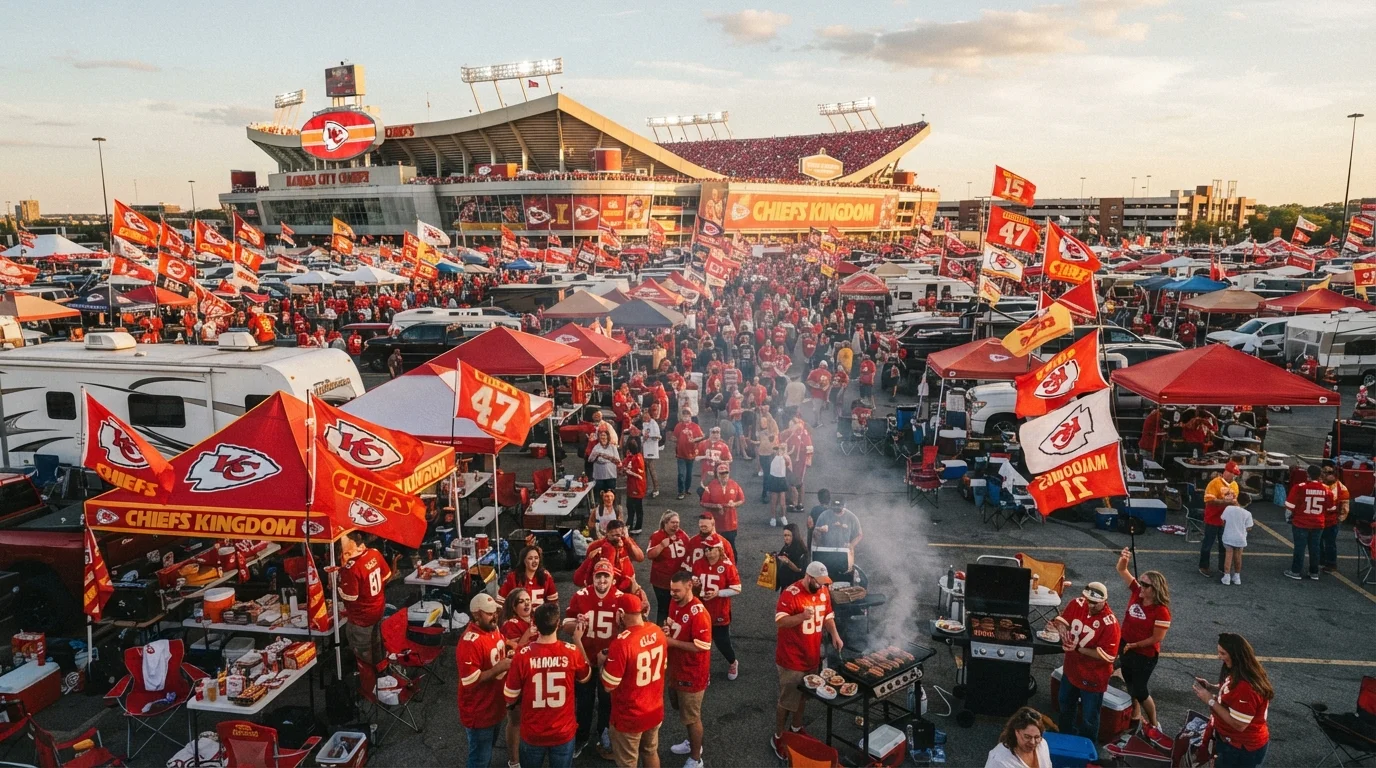
Tailgating - gathering in stadium parking lots to grill, socialize, and celebrate before kickoff - is arguably the most distinctly American of all sports traditions. Its roots trace to the 19th century, when spectators arrived by horse-drawn carriages and gathered around wagons before college football games. The advent of the automobile transformed the practice into what fans recognize today.
More than a pre-game meal, tailgating functions as a community ritual. It builds camaraderie among strangers who share team colors, extends the event experience well beyond the stadium walls, and in many cases has become the primary social reason fans make the trip at all.
For many fans, tailgating is the main event - the game is the encore.
The Rally Towel
The rally towel entered American sports consciousness during the 1975 NBA Finals, when a team staffer distributed white towels to fans during a tense series. The Pittsburgh Steelers later popularized the concept with their iconic gold "Terrible Towel," introduced by broadcaster Myron Cope in 1975. Fans waving it in unison at Heinz Field became one of the most recognizable visual signatures in professional football.
The concept spread across the major leagues. Today, rally towels appear in playoff hockey arenas, baseball postseasons, and basketball championship runs - a simple prop that channels crowd energy into a visible, unified display.
A simple piece of cloth became one of the most powerful symbols of collective fan energy in American sports.
Singing 'Take Me Out to the Ball Game'
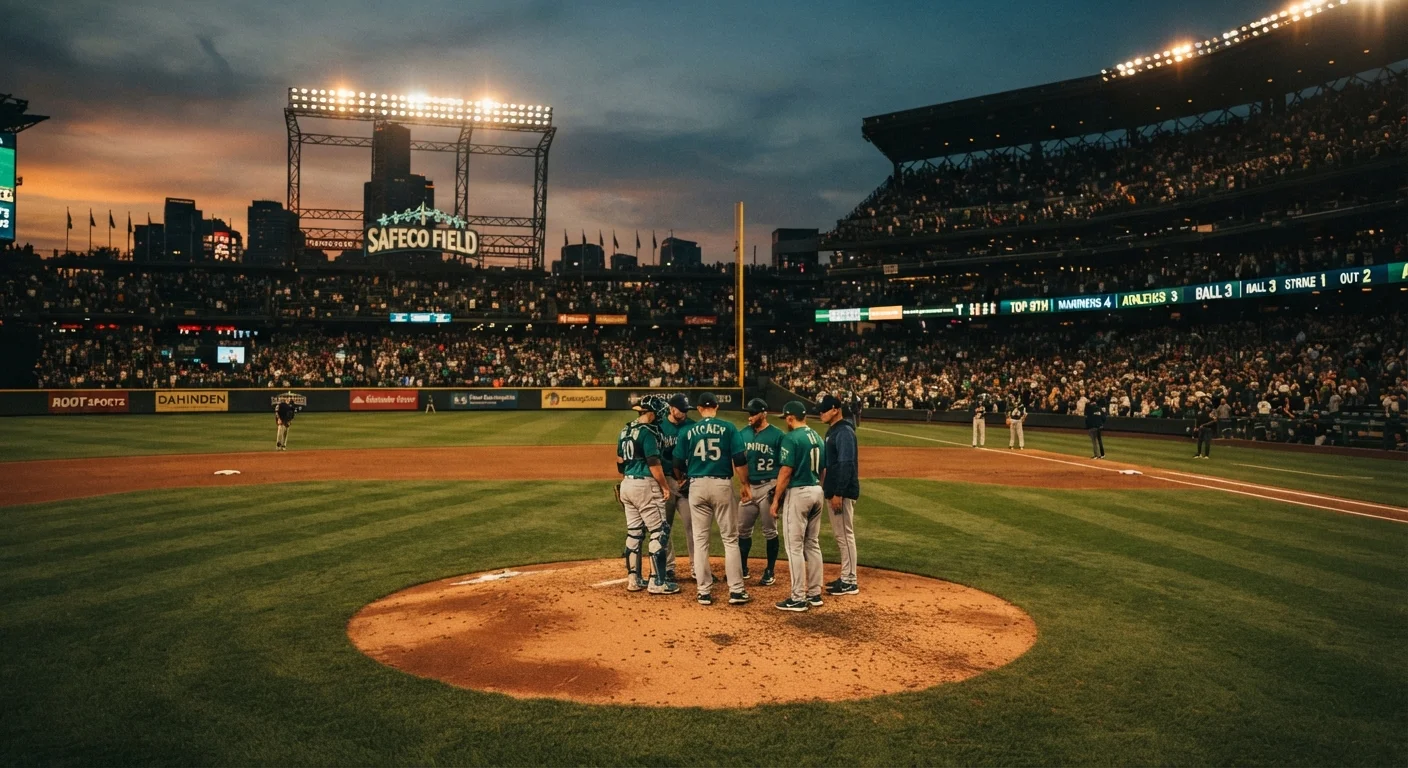
During the seventh-inning stretch of nearly every Major League Baseball game, fans rise to sing "Take Me Out to the Ball Game" - a song written in 1908 that had no connection to professional baseball at the time of its composition. Broadcaster Harry Caray popularized the in-game sing-along during his tenure with the Chicago Cubs in the 1980s, and the tradition was adopted league-wide.
The song's staying power reflects baseball's comfort with ceremony and its deep relationship with American nostalgia. It's one of the few moments in professional sports where the crowd collectively performs, not just spectates.
Harry Caray turned a century-old pop song into a national baseball ritual simply by singing it out loud.
Face Paint and Team Colors
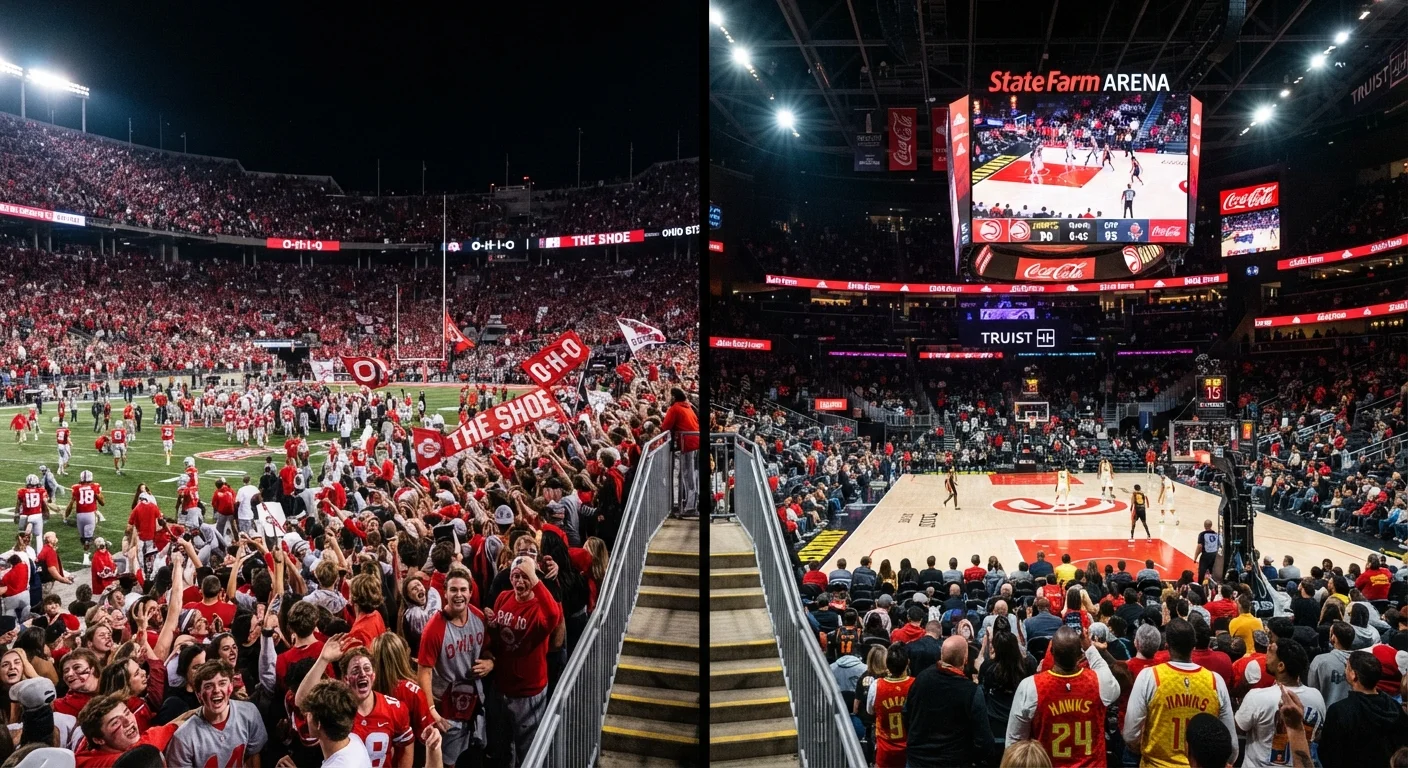
Wearing team colors to games predates the professional era, but the practice of body and face painting evolved significantly through college football culture in the mid-20th century. Fans painted themselves to express tribal belonging and create visual solidarity in stadiums. Television amplified the effect - cameras seeking out the most dramatically decorated fans turned individual expression into broadcast entertainment.
Today, dedicated fan sections known as "superfan" groups maintain elaborate visual identities - coordinated outfits, painted faces, and choreographed chants - that have become part of team brand identity. As documented in the complete picture of sports fandom in America, these visual traditions reinforce community belonging.
Television transformed face paint from a personal statement into a broadcast tradition seen by millions.
The 'De-fense' Chant
Simple, rhythmic, and universally understood - the two-syllable "De-fense" chant, often accompanied by clapping, is one of the most universal vocalizations in American sports. Its exact origin is difficult to pinpoint, but it became widespread in college basketball arenas during the 1960s and has since migrated seamlessly to the NFL, NHL, and beyond.
What makes it enduring is its accessibility. No prior knowledge of the sport is required. Any first-time attendee can participate within seconds of hearing it, making it one of the most effective tools for crowd unification in any arena context.
The 'De-fense' chant requires no sports knowledge - it unites first-timers and veterans in a single moment.
The Postseason Playoff Beard
The playoff beard is a superstition-driven tradition in which hockey players and fans alike stop shaving once their team enters the postseason. The NHL tradition is generally traced to the New York Islanders dynasty teams of the early 1980s, when players let their beards grow as a sign of collective focus and solidarity through a long playoff run.
Fans adopted the custom enthusiastically, growing their own beards in solidarity. The tradition has since crossed into other sports and represents a broader category of superstition-based rituals - the lucky jersey, the unwashed hat - that fans and players use to feel connected to outcome, even knowing rationally that appearance has no bearing on play.
The playoff beard transformed a superstition into a shared identity between players and fans.
Keeping the Traditions Alive
What makes these customs endure isn't just nostalgia - it's the way each generation of fans adopts them as their own. Stadiums, broadcasters, and team organizations all play a role in sustaining rituals, but ultimately it's the fans themselves who decide what sticks. Understanding the roots of these traditions adds depth to the experience of attending or watching any game.
Attending Your First Game? Embrace the Ritual
If you're heading to a stadium for the first time, arrive early enough to observe pre-game traditions - whether that's a tailgate outside or a pregame ceremony inside. Participating in crowd rituals, even unfamiliar ones, is one of the fastest ways to feel connected to the fan community around you. You don't need to know every tradition's history to take part in it.
For a broader look at how these customs play out differently across leagues, see how fan culture differs across the NFL, NBA, MLB, and NHL. And if you're new to the vocabulary surrounding fan life, the sports fandom glossary is a helpful starting point. These traditions are also part of a wider common pastimes that define American recreational life.