The Constant Churn of Platform Rules
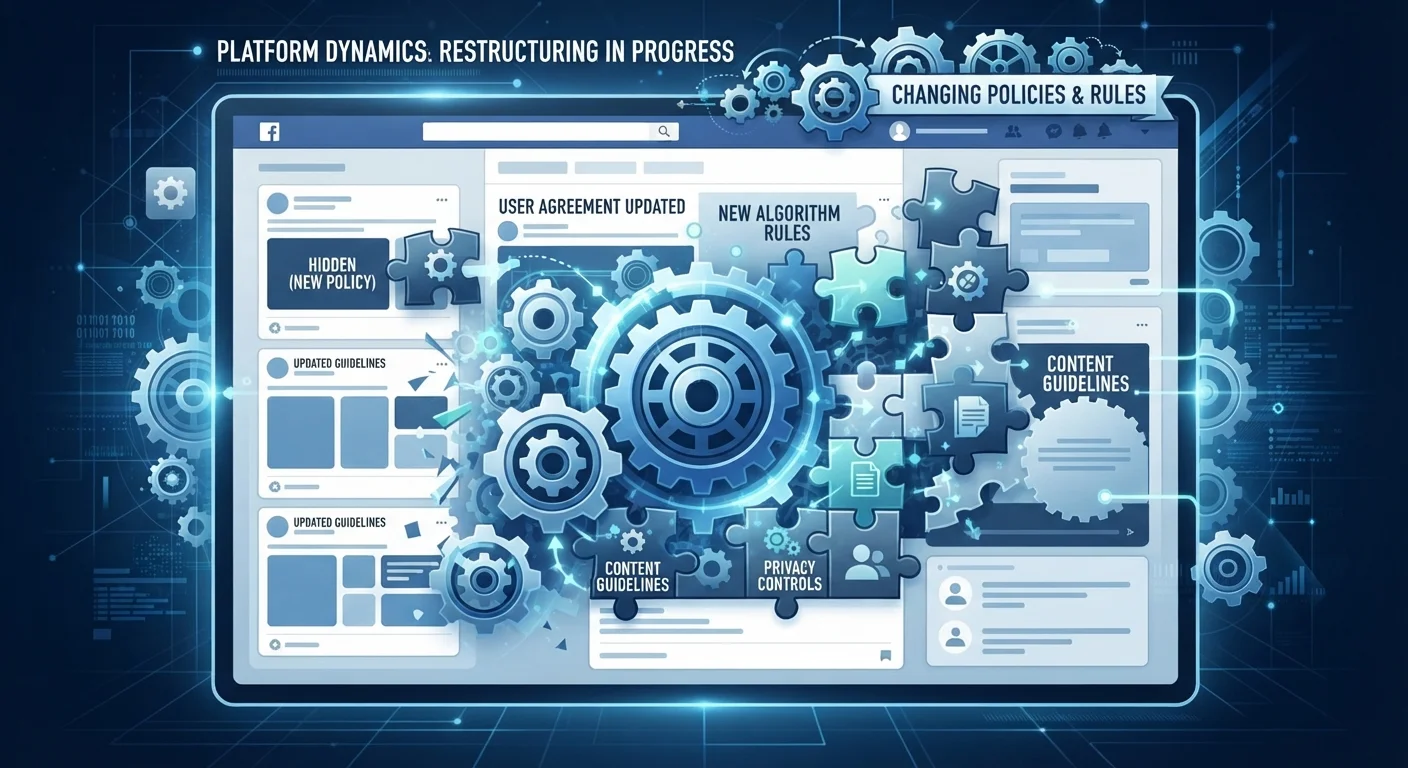
If you've ever logged in to find your favorite community restricted, a key feature removed, or your content suddenly flagged - you've experienced what millions of users encounter regularly. Online platforms update their policies constantly, and those updates can reshape or even destroy communities that took years to build.
Understanding why these changes happen is the first step toward protecting yourself and your community from their impact. It's also worth knowing that platforms operate very differently depending on their structure - see our explainer on what makes a platform open or closed for useful background on how that shapes what rules even get written.
79%
U.S. adults who say platforms remove too much or too little content
According to a Pew Research Center survey, most Americans feel platforms get content moderation wrong - in one direction or another.
33%
Users who say they've had content removed or accounts restricted
Pew Research Center data indicates roughly one in three U.S. social media users has personally experienced some form of content action by a platform.
Why Platforms Change Their Rules
Platform policy shifts almost never happen randomly. The most common drivers include:
- Advertiser pressure: Most large platforms depend on ad revenue. Advertisers pull spending when their brands appear next to content they consider objectionable, which pushes platforms to restrict that content - even if the community itself sees no problem with it.
- Legal and regulatory requirements: New laws - on data privacy, child safety, or political advertising - often force platforms to update their rules quickly to stay compliant. Regulatory pressure from the European Union, for example, has triggered policy changes that affected U.S. users too.
- Competitive shifts: When a new type of content or behavior becomes popular on a rival platform, companies update their own policies to attract or retain users, which can have unintended side effects on existing communities.
- Moderation at scale: As platforms grow, blanket rules replace nuanced ones. A policy written to address harassment in one context often gets applied broadly, catching legitimate communities in the crossfire.
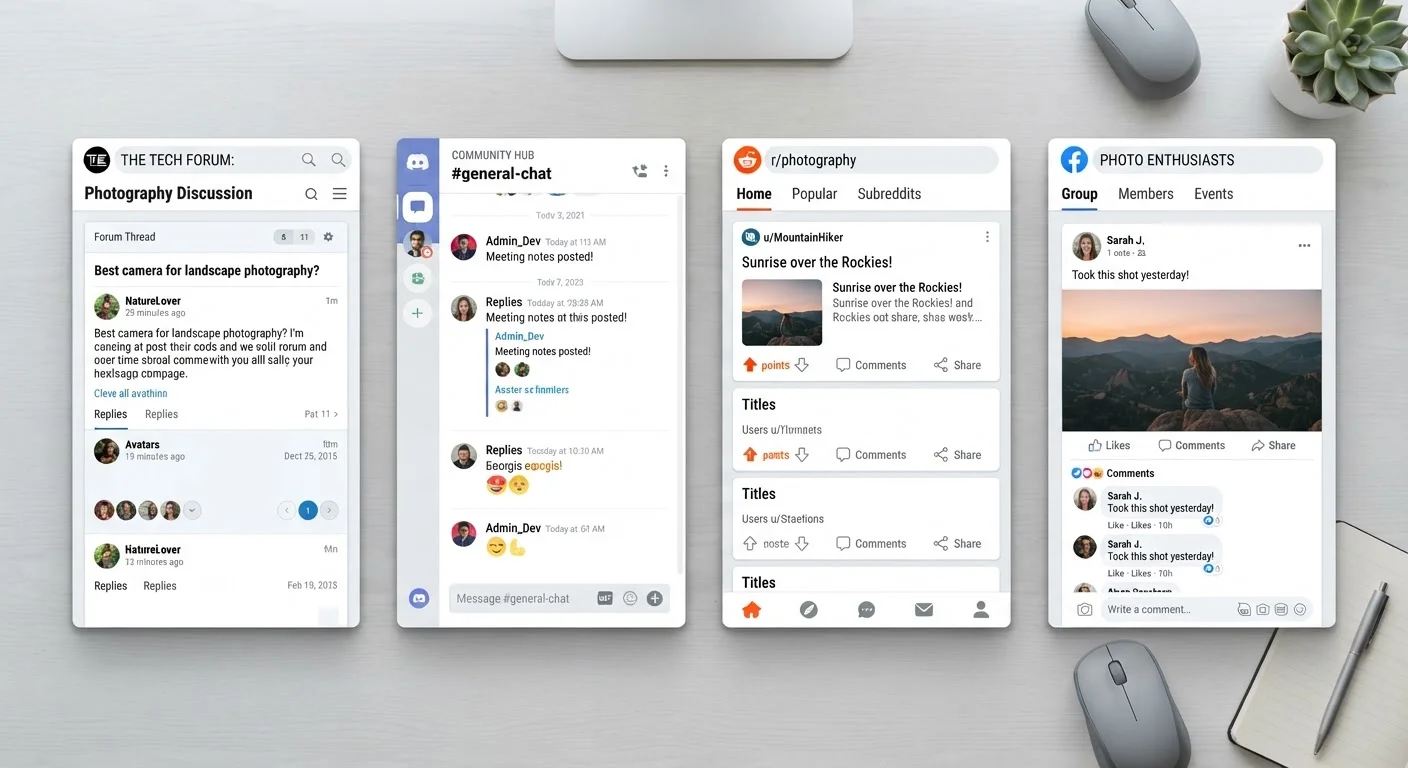
A hobbyist photography community on a major social platform finds its content suddenly restricted after the platform updates its guidelines on 'commercial-adjacent' posts - even though the group never sold anything.
A large discussion forum loses its API access after a platform changes its developer pricing, forcing dozens of third-party apps the community relied on to shut down overnight.
A support group for a health condition is removed from a platform after a policy update targets 'sensitive topic' communities, even though the group followed all prior rules.
What Users Can Actually Do
Users have less formal power than platforms, but that doesn't mean they're helpless. Here are practical steps that make a real difference:
Diversify Your Presence
Don't build your entire community on a single platform. Even if one space is your primary home, maintaining a presence elsewhere - or keeping an active email list - means a policy change doesn't erase everything you've built. Our guide on what goes wrong during community migrations is worth reading before you need it rather than after.
Export and Back Up Regularly
Many platforms allow data exports. Use them. Download your posts, member lists, and media files on a regular schedule. This gives you something to work with if access is suddenly cut off.
Stay Informed
Follow policy update announcements - even the dry, legalistic ones. Some platforms offer dedicated channels for these updates. Knowing what changed and when matters for your participation strategy.
Organize Collective Feedback
Platforms do respond to organized, public pressure in some cases. Coordinated feedback from a large community - especially if it attracts press attention - carries more weight than individual complaints. Document specific harms and keep the focus on concrete, verifiable impacts.
Build a Communication Channel You Own
An email list or newsletter is one of the few digital communication tools a platform cannot take away from you. Even a small subscriber base gives you a way to reach your community directly if your main platform changes its rules or disappears. Tools for building and managing email lists are widely available and generally straightforward to set up.
The Bigger Picture: Rules Reflect Power
Every platform's rules reflect the priorities of whoever controls that platform - not necessarily the users who make it valuable. The norms that emerge in online communities are real and meaningful, but they always exist within boundaries set by the platform itself. Knowing that distinction helps you make smarter choices about where to invest your time and how much to rely on any one service.
Reviewing your privacy settings is also worthwhile whenever a platform updates its policies - changes to data terms often accompany rule changes in other areas.
The platforms that serve communities best over the long term tend to be the ones with clear, stable, and consistently enforced policies. When those qualities are missing, users who've planned ahead are the ones who weather the disruptions best.