
Why Adults Are Turning to Outdoor Hobbies
Outdoor recreation is one of the most broadly participated leisure categories among American adults, according to data from federal land management agencies and recreational research organizations. People are drawn to it for varied reasons - fresh air, a break from screens, social connection, or simply the appeal of doing something physical without it feeling like exercise.
The range of what counts as an "outdoor hobby" is wider than many beginners assume. It includes quiet, low-key pursuits like birdwatching or nature journaling alongside more physically demanding ones like trail running, kayaking, or rock climbing. For a broader look at how Americans distribute their leisure time across both indoor and outdoor pursuits, see The Landscape of American Hobbies.
Whatever the motivation, adults who are new to spending intentional time outdoors often benefit from understanding the landscape of options before committing to any single pursuit.
The Most Common Entry Points
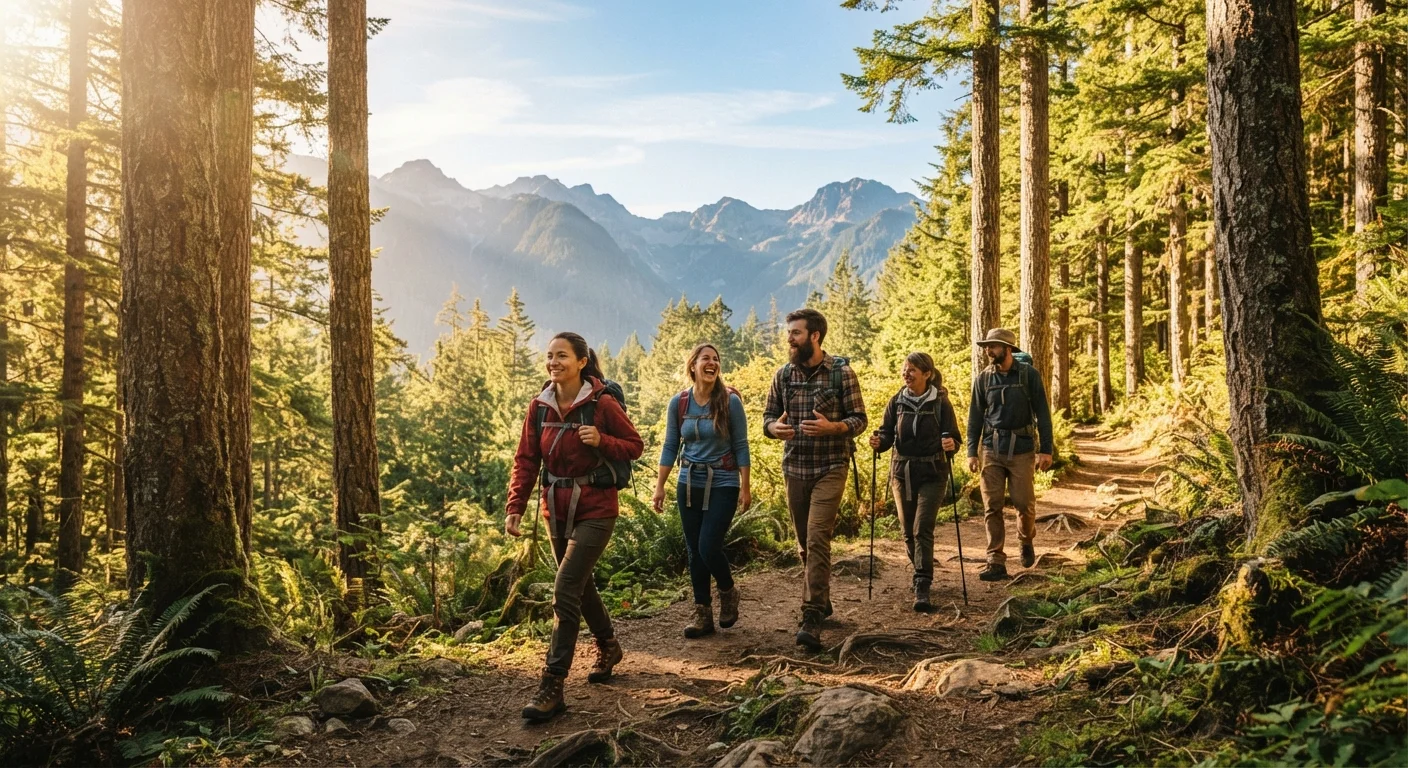
Most adults begin with activities that are geographically convenient, low-cost, and physically forgiving. Day hiking on maintained trails is consistently one of the most popular starting points - it requires little more than sturdy footwear and water, and difficulty can be calibrated to fitness level by choosing appropriate trails.
Other common entry-level activities include:
- Birdwatching - accessible anywhere, including urban parks, and rewards patience rather than athleticism.
- Cycling - paved paths and rail trails make this approachable even without off-road skills.
- Kayaking or canoeing - flat-water paddling is manageable for most beginners and widely available through rental programs.
- Camping - even a single overnight introduces a broad set of outdoor skills; see common first-timer mistakes and how to avoid them for honest preparation advice.
- Nature photography - pairs well with hiking and other outdoor pursuits as a creative addition.
More specialized activities - such as orienteering, rock climbing, or snowshoeing - are also worth exploring once you have a sense of what draws you most to being outside. Orienteering, for instance, combines navigation with physical movement in natural terrain and has an active beginner community in many regions.
Trailhead
The designated starting point of a hiking trail, usually marked with signage and often accompanied by parking, maps, and basic amenities.
Leave No Trace (LNT)
A set of seven outdoor ethics principles designed to minimize human impact on natural environments during recreation.
Day hike
A hiking trip completed within a single day, without overnight camping, typically on established trails.
Public lands
Land owned and managed by federal, state, or local government - including national parks, national forests, and state parks - that is open for public recreational use.
Topographic map
A map that uses contour lines to represent elevation and terrain shape, helping users understand the three-dimensional landscape of an area.
Flat-water paddling
Kayaking or canoeing on calm bodies of water - such as lakes or slow rivers - without significant currents or rapids, making it suitable for beginners.
How to Choose What Fits Your Life
Choosing an outdoor hobby that you'll actually continue past the first few outings means being honest about four things: available time, physical condition, budget, and local access.
Time: Some activities - like a 30-minute neighborhood walk - fit into almost any schedule. Others, like backcountry camping, require dedicated multi-day windows. Think about your realistic weekly availability, not your ideal version of it.
Physical condition: Most outdoor beginners do best starting at a lower intensity than they think they need. Gradual progression prevents both injury and discouragement. If you're returning to physical activity after a long gap, Starting a New Hobby After 40 offers grounded perspective.
Budget: Entry costs vary significantly. Hiking and birdwatching cost very little. Climbing, skiing, and paddling involve gear or access fees, though rentals can reduce the initial investment. Before spending substantially, use a structured self-assessment - this practical checklist can help clarify your priorities.
Local access: The best hobby is one you can actually reach. Check what public lands, parks, and trails exist within a reasonable distance. For regional activity ideas, Seasonal Outdoor Activities Across the U.S. offers a region-by-region breakdown.
Try Before You Commit to Gear
Renting equipment or borrowing from a friend for your first few outings is a practical way to learn what you actually need before purchasing anything. Gear preferences often shift after real experience - what looks essential in a store catalog may be unnecessary in practice.
What to Realistically Expect as a Beginner
New outdoor participants often find the first few outings more tiring, more logistically complex, or simply different from what they imagined. That's normal, not a warning sign. Physical adaptation takes weeks, navigation becomes more intuitive with practice, and gear selection improves once you know what you actually use.
A few things most beginners encounter:
- Weather variability: Conditions change, sometimes quickly. Dressing in layers and checking forecasts beforehand reduces unpleasant surprises.
- Overestimating ability early on: Starting with easier routes or shorter outings than you think you need is a well-established best practice - not a sign of low ambition.
- Navigation gaps: Even on maintained trails, basic map-reading skills add confidence. Understanding how to read a topographic map is a foundational skill worth developing.
- Cold-weather considerations: If you plan to be active in winter, staying safe during cold-weather activities covers the real risks and how to manage them.
Physical health benefits from outdoor recreation are often cited but worth evaluating carefully. For a measured look at what the evidence actually supports, Outdoor Recreation and Physical Health is a useful reference.
Responsible Participation from the Start
One advantage of learning outdoor habits early is that responsible practices become second nature rather than afterthoughts. The most widely recognized framework for minimizing environmental impact is Leave No Trace - a set of seven principles covering everything from waste disposal to wildlife interaction. Getting familiar with the Leave No Trace principles before your first outing sets a good standard.
Beyond environmental responsibility, community norms matter too. Trail etiquette, campsite courtesy, and awareness of permit systems on public lands all make shared spaces work better for everyone. Most of these expectations are straightforward once you know they exist.
Starting outdoors is less about having the right gear or peak physical fitness, and more about showing up with curiosity, reasonable preparation, and respect for the environment you're entering. Those qualities carry any beginner a long way.
Tell Someone Your Plans
Before heading out - especially alone or to unfamiliar terrain - let someone know where you're going and when you expect to return. Cell service is unreliable in many outdoor areas, and even short trips can become complicated if conditions change unexpectedly.