What Defines Each Type of Fan Community
Fan communities organize themselves in two broad ways: around a shared location or around a shared allegiance - and those two foundations create very different experiences.
A local fan club is typically a formally or informally organized group tied to a specific city, neighborhood, or region. Members often know one another personally, meet at the same sports bar week after week, and build routines together. These clubs sometimes have official recognition from their team's front office, giving them access to exclusive events or merchandise programs. Many operate through community centers, bars, or social organizations and function almost like a sports-themed civic group.
A national fan base, by contrast, is defined by loyalty to a team or athlete rather than proximity. It can include millions of fans spread across the country - or the world. These communities are generally decentralized and live primarily online, spread across team subreddits, Facebook groups, Discord servers, and Twitter communities. For a deeper look at how those platforms compare, see how different online community formats work.
How Structure and Organization Differ
Local fan clubs tend to have clearer organizational structures. Many elect officers, collect dues, plan watch parties, coordinate road trips to away games, and maintain relationships with their team's official fan relations department. That structure creates accountability and a sense of ownership among members.
National fan bases are largely self-organizing. Leadership emerges informally - popular social media accounts, prominent forum moderators, or influential podcasters often shape the culture of a national fan base without any formal title. This can mean faster-moving conversation and greater creative freedom, but also less consistency in tone and standards.
| Local Fan Clubs | National Fan Bases | |
|---|---|---|
| Primary connection | Geography and personal relationships | Shared team or athlete loyalty |
| Typical size | Dozens to a few hundred members | Thousands to millions of followers |
| Organizational structure | Formal, often elected leadership | Informal, community-driven |
| Main activities | Watch parties, road trips, events | Online discussion, social media, podcasts |
| Sense of belonging | Tight-knit and personal | Broad but potentially anonymous |
| Access to team | Sometimes official team recognition | Generally no direct team relationship |
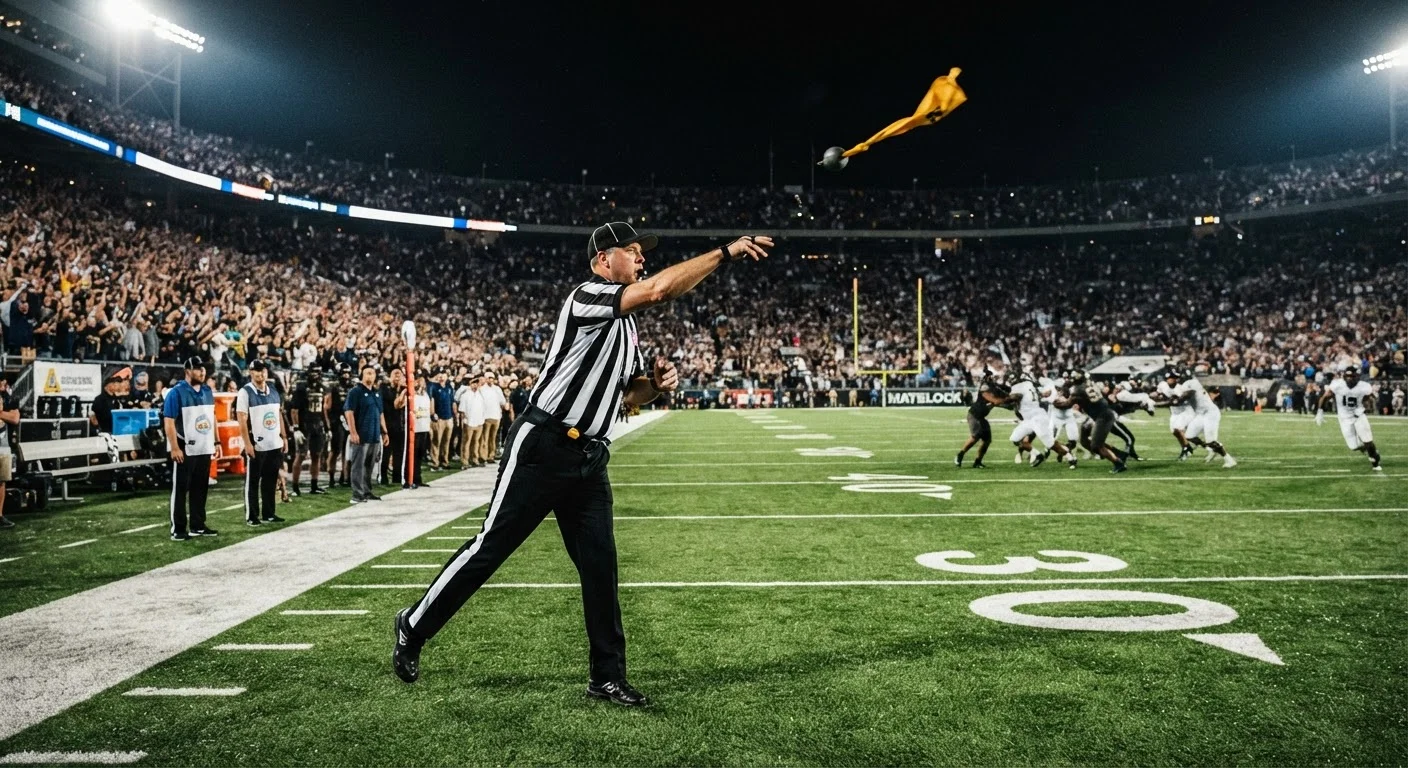
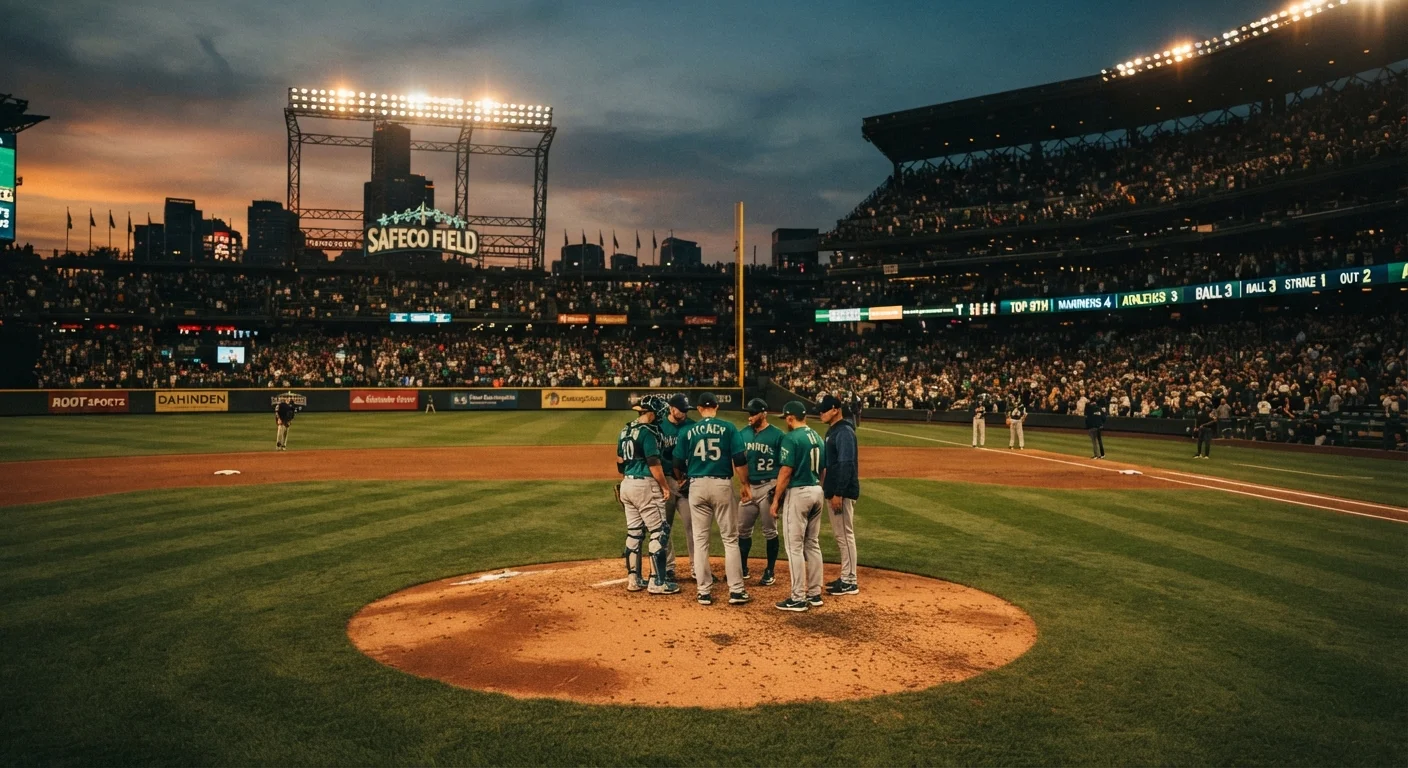
For fans interested in how these dynamics play out across different sports, fan culture varies significantly across the NFL, NBA, MLB, and NHL.
The Social Experience on Each Level
The day-to-day experience of belonging to each type of community is quite different. Local clubs typically involve repeated, face-to-face interaction - you see the same people every game day, share meals, celebrate wins together in person, and form genuine friendships. This regularity builds a strong sense of group identity and trust. Many fans describe their local club as feeling like an extended family.
National fan bases offer something different: scale and diversity. A fan in rural Montana can connect with someone in Miami over the same team loss, participate in real-time game threads, or debate trades with thousands of people simultaneously. Online fan communities have reshaped how people follow sports, making geography largely irrelevant for those seeking shared enthusiasm.
Getting the Most From Both Worlds
Fans don't have to choose between local and national communities. Joining a local fan club can provide regular in-person connection, while engaging in national online spaces keeps you plugged into the broader conversation. Many fans find that the two reinforce each other - local friends to celebrate with, and a national community to analyze and debate with around the clock.
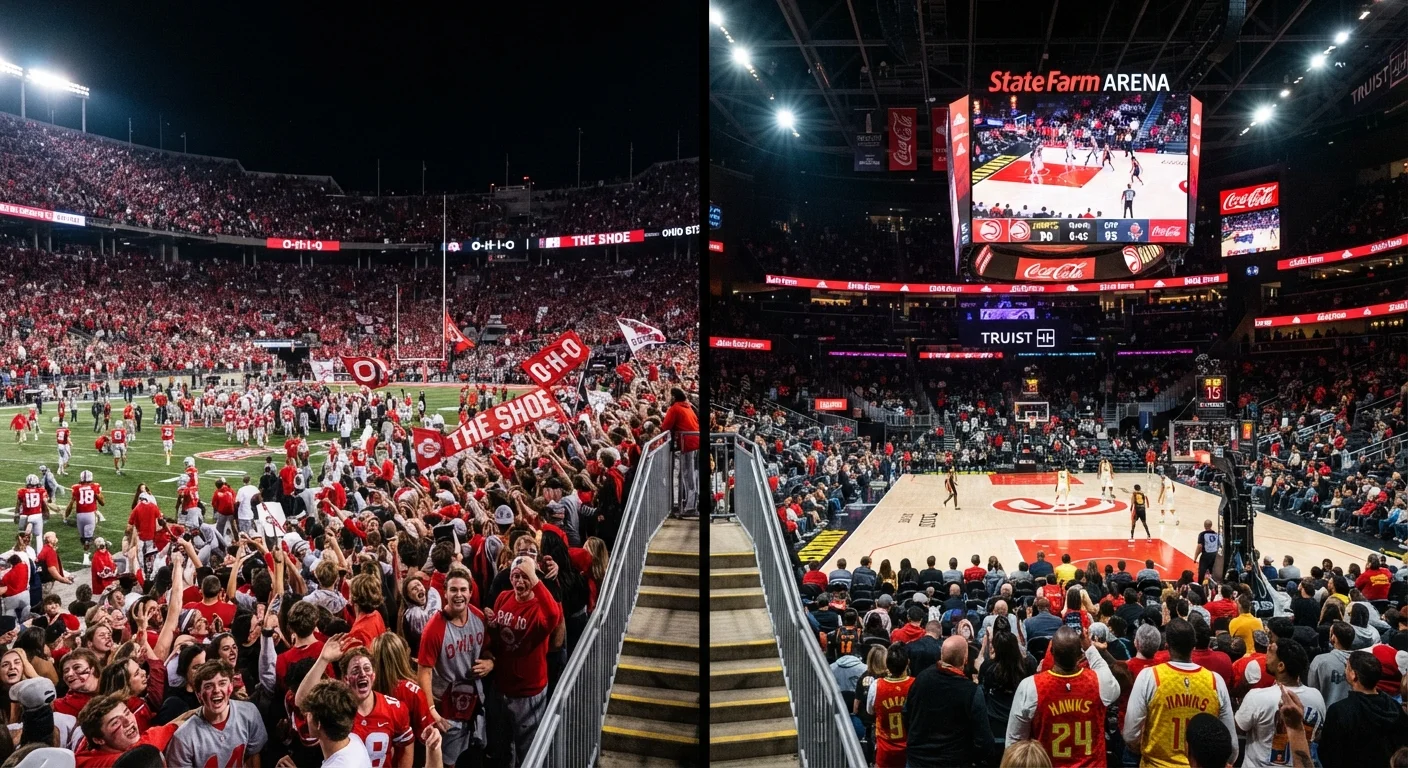
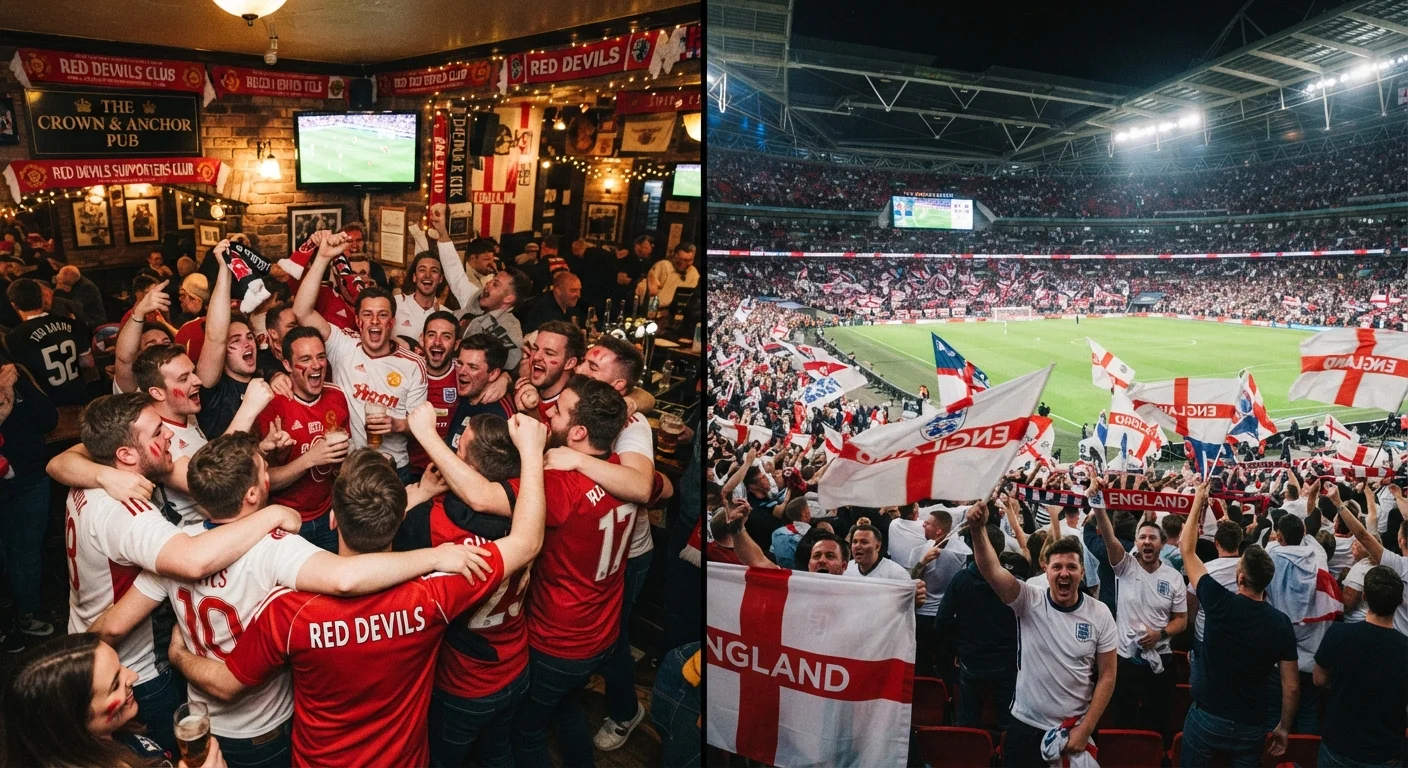
The experience of watching together also shapes community. Whether you're at the stadium or on a couch at a local bar matters - stadium attendance and home viewing each create their own fan culture.
Scale, Identity, and What Fans Actually Get
Belonging to a local fan club often comes with a stronger sense of identity. Members frequently represent their club at community events, charity drives, or fan appreciation days. That visibility within a community - being known as part of a group with a name, a meeting spot, and a history - carries real social weight.
National fan bases, while less intimate, offer something equally valuable: validation and amplification. When millions of people share your team allegiance, you're part of something culturally significant. National conversations about trades, coaching decisions, and playoff runs happen at a scale that local clubs simply cannot match. For a broader understanding of how all these pieces fit together, American sports fandom is a rich and layered culture worth exploring in full.
Many dedicated fans participate in both - attending a local watch party through their club while also engaging on Reddit or Twitter with fans nationwide. The two aren't mutually exclusive, and understanding how communities are structured at a fundamental level helps fans make the most of both environments.